When five-axis machining becomes the norm
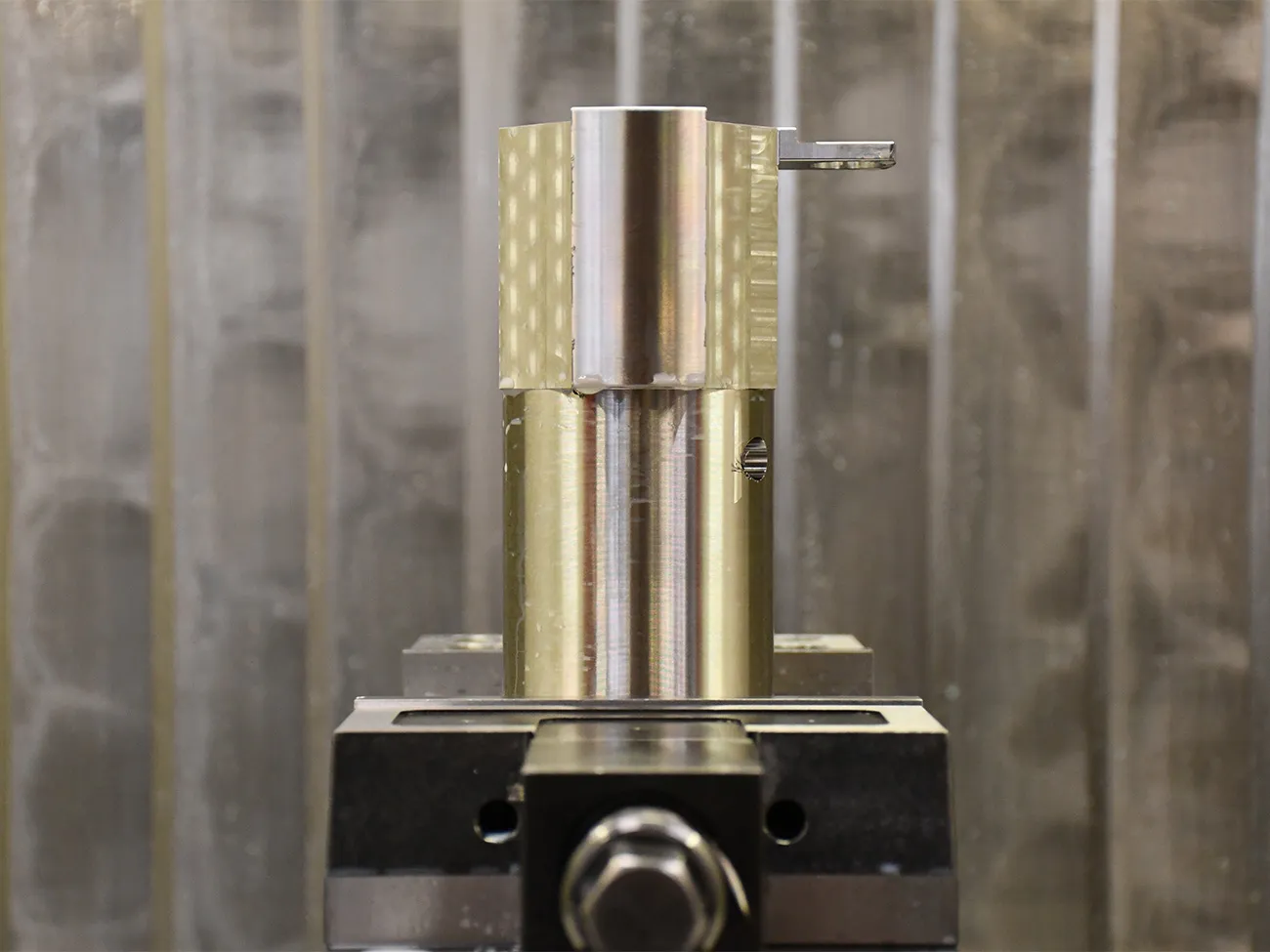
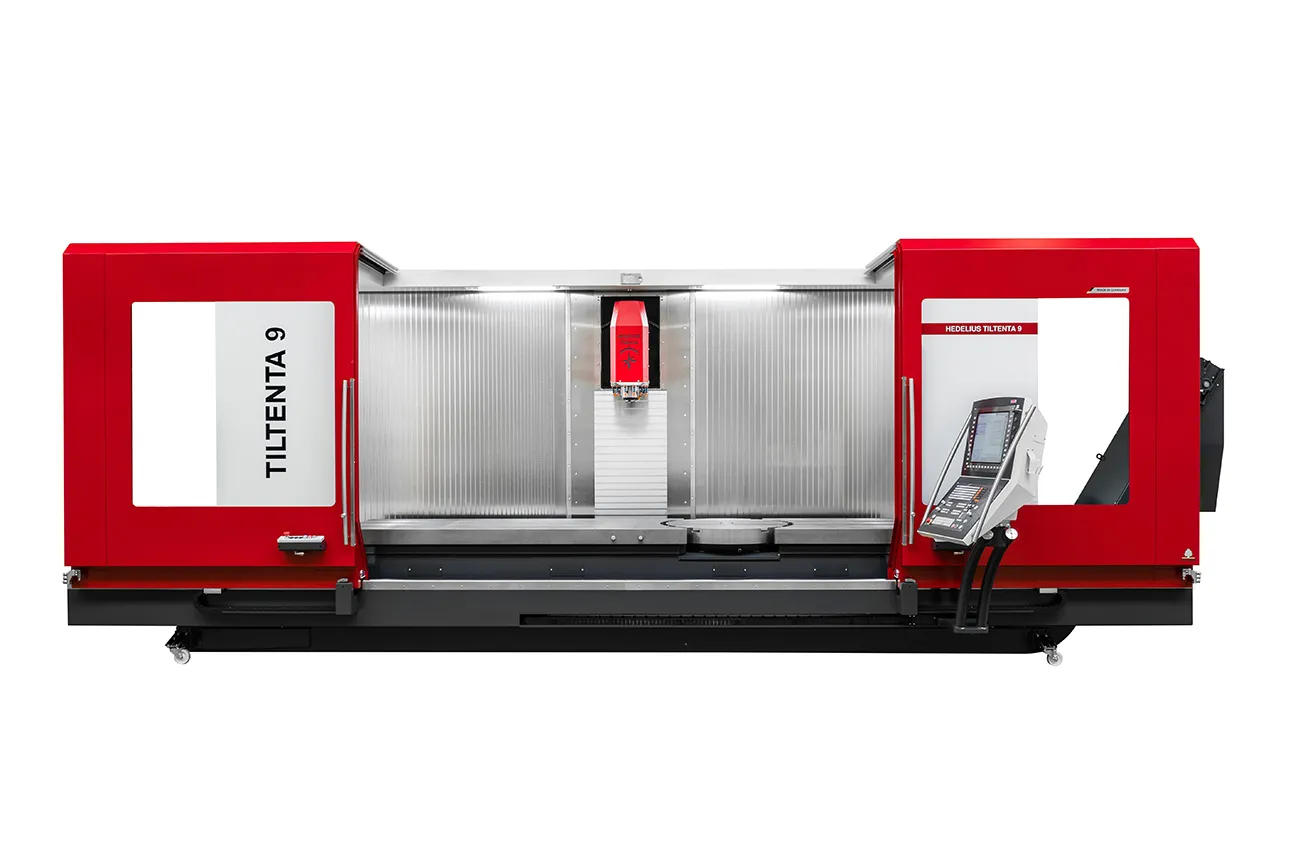
Not every company has been hard hit by the coronavirus pandemic. Thanks to its commitment to quality, Atelier Verstrepen, based in Onze-Lieve-Vrouw-Waver, has succeeded in attracting the attention of the pharmaceutical industry as a subcontractor in recent years. This growth was accelerated by the arrival of its first five-axis machine: the Tiltenta 7 Single-1600 from Hedelius. Another step will soon follow, with the arrival of its bigger sister, the Tiltenta 9-3600 1R, enabling the company to machine even more and larger products in a single clamping operation across five faces. Atelier Verstrepen continues to set the bar high for flexibility and precision.
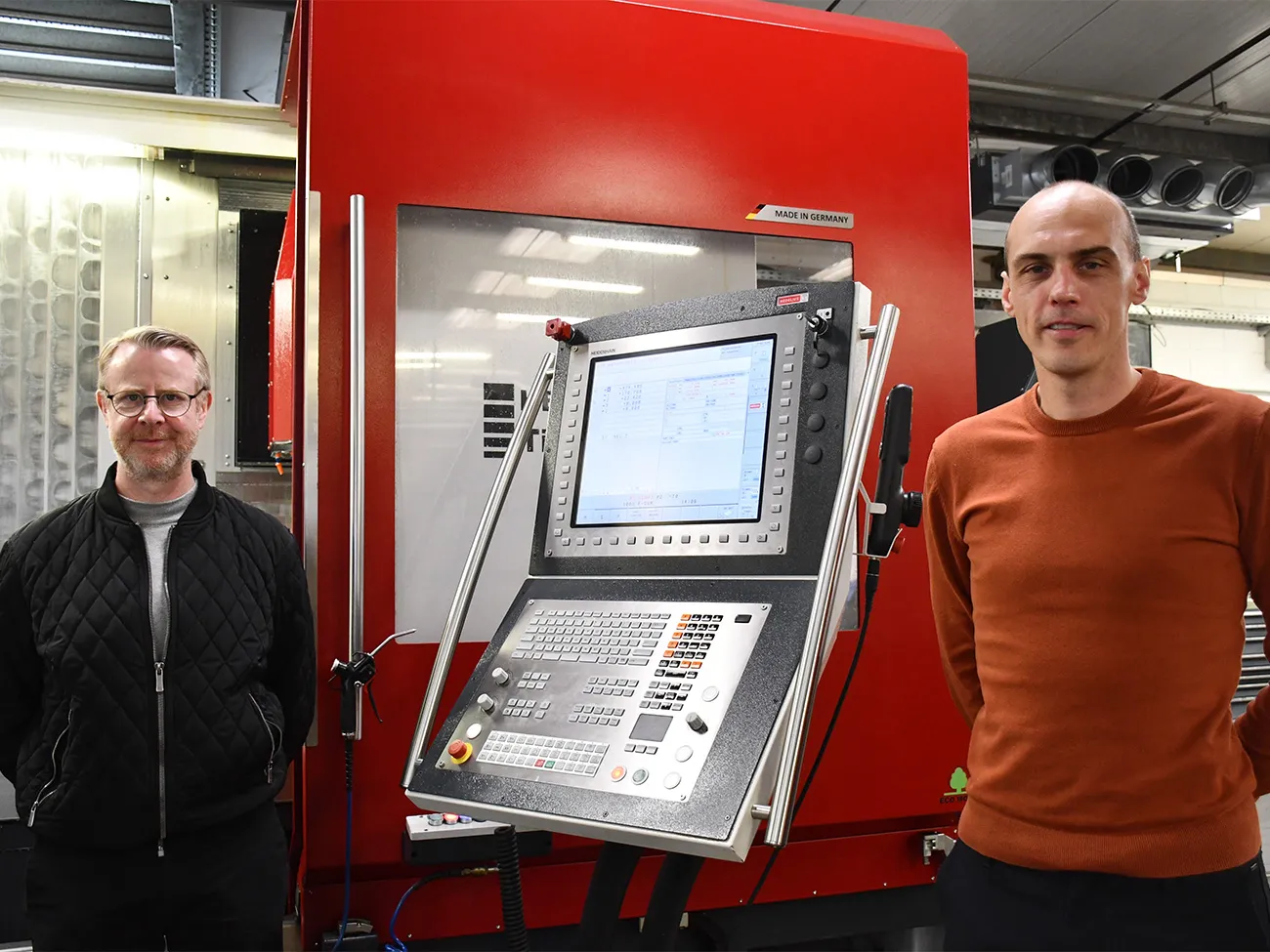
In 2017, Atelier Verstrepen decided to enter the five-axis machining market for the first time. At the time, the decision was made with cautious confidence. “We’ll see what it brings, that was more or less the philosophy,” recalls Christophe Dubois. He is responsible for work preparation at the company in Onze-Lieve-Vrouw-Waver. Today, less than four years later, the machine is already overloaded. “Quite simply because it gives us so many advantages. The ability to work on five faces means we no longer have to spend time on an additional clamping operation, and we can set the bar particularly high for precision. The T7 finishes parts perfectly in a single pass.”
Quality comes first, from design to assembly
And that is essential. In recent years, the number of orders has steadily increased. Atelier Verstrepen has expanded its activities considerably, particularly in the pharmaceutical industry. This is all down to the quality the company guarantees. Dubois explains: “It starts here, right at the design stage. Only by listening carefully to your customer can you find out exactly what they need. Customers are busy with their core business, their products. We contribute our knowledge of machinery and manufacturing. It’s co-engineering to arrive at the best possible solution. Another strength is that we can carry out a wide range of machining operations in-house, from machining to welding structures, to deliver perfectly finished products. The picture is complete when we produce everything to the specified surface finish and tolerances, and provide the necessary documentation to prove it all.”
Smart investment in digitising information
This has benefited the company. For example, Atelier Verstrepen was hardly affected by the coronavirus pandemic. Yet it still gets everything done with the same number of employees as four years ago. “By making smart investments in digitisation on the one hand, and in intelligent, flexible machines such as the T7 on the other, we can genuinely do more with less. All preparation is done offline and in 3D. This makes full use of machine time and allows us to eliminate errors before the part even reaches the workshop. It is important to our customers that we can respond quickly. The accessibility of the T7 also makes it possible to add another part quickly.” The five-axis system was therefore definitely the way forward for Christophe Dubois. Being able to handle greater complexity brought in more orders. “The machine has more or less become the norm here, precisely because of the advantages it offers in terms of flexibility and quality.”
Moving up to a larger size
For Atelier Verstrepen, there was no doubt that its second five-axis machine would also be a Hedelius. The machine had proved its worth, as had the service from supplier Promas. “Spare parts are delivered the very next day. And you can always speak to someone on the phone who can help, even outside office hours,” says Dubois. In the end, the company chose the Tiltenta 9-3600 1R. “It’s a machine that combines high capacity with the precision and dynamics you would expect from a smaller machine. We wanted exactly the same capabilities, but in a larger size. That will allow us to give larger parts the same impeccable finish in future. Our employees are already looking forward to the new Tiltenta arriving in May. Being able to work with state-of-the-art technology also brings them a great deal of job satisfaction.” The machine is equipped with an integrated NC rotary table with a diameter of 900 mm and a swing diameter of 1 250 mm. It has also been prepared for a possible sixth axis. “Parts are getting larger, and more complex too. With a sixth axis, we’ll be able to take further steps in this direction. It gives us the opportunity to consider how we can manufacture complex parts more easily and therefore more efficiently. It won’t happen overnight, but we’re certainly ready for it,” concludes Dubois.
Question about this story? Ask your question
Keep following this
Get an email when a new story is published. No account needed.
- SubjectAutomation