Don’t let welding fumes compromise the health and safety of your employees
Industry is one of the biggest polluters on our planet, but at the same time, it is also where the foundations for a sustainable future are laid. Significant investments are being made in technology to ensure that industrial processes run smoothly, without negative consequences for the environment or employees’ health. For more than 75 years, Nederman has been one of the leading developers and suppliers of contaminant extraction products and solutions. This involves using advanced air filtration technology. The result is a “clean” and safe working environment, as well as increased efficiency and productivity in the workshop.
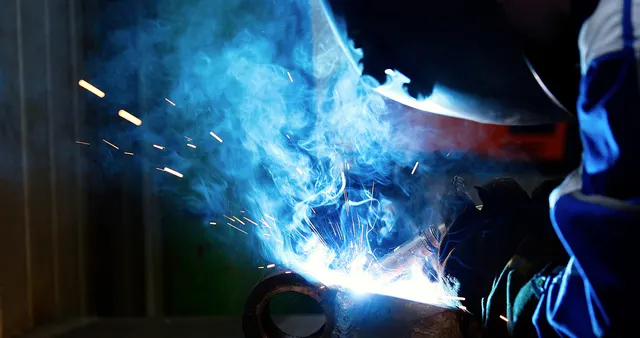
Welding fumes generated when processing stainless steel and low-alloy steels contain carcinogenic elements such as nickel, cadmium and manganese. These fumes consist of solid particles formed by the condensation of metallic vapours. The smaller these particles are, the more dangerous they become. When inhaled, the substances penetrate deep into the lungs. They can cause considerable damage there and enter the welder’s bloodstream.
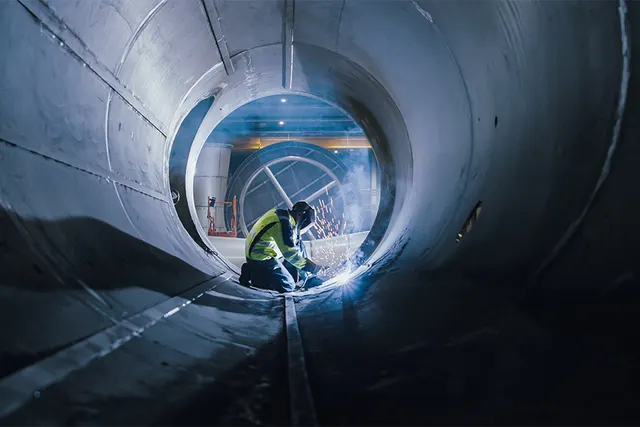
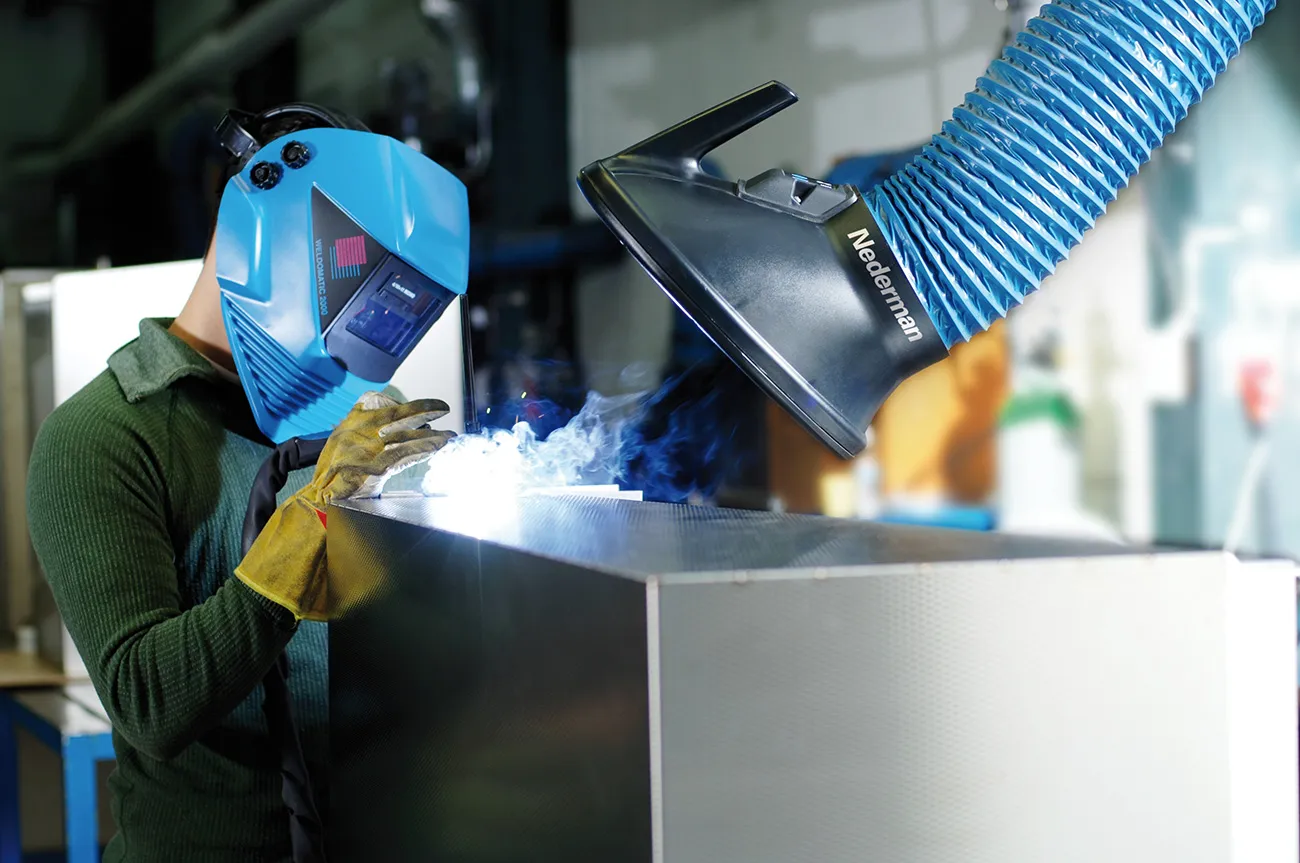
“To follow the welding process properly and do a good job, a welder has to bring their head close to the torch. However, this means they inhale a lot of fumes and are exposed to high concentrations of hazardous substances. Volatile emissions from welding fumes can also quickly reach other colleagues,” says Gunther Maes, sales director at Nederman. “In addition, welding fumes and vapours also have a negative impact on the operation of automated welding systems, and can even damage workpieces. Effective welding fume extraction, preferably as close to the source as possible, is strongly recommended and even essential. For 75 years, Nederman has supplied products and solutions that protect welders from fumes and vapours in their working environment: mobile, stationary and central systems, as well as technically tailored solutions.”
Various solutions
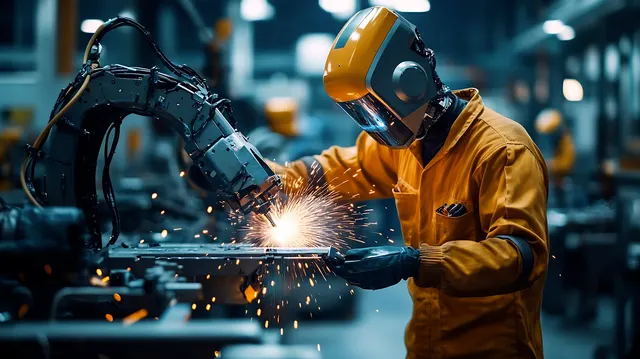
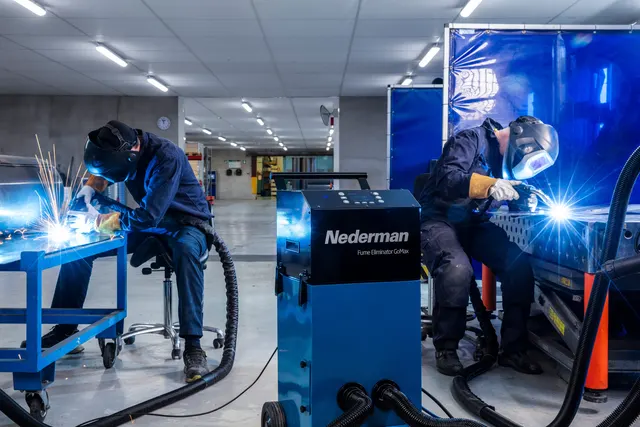
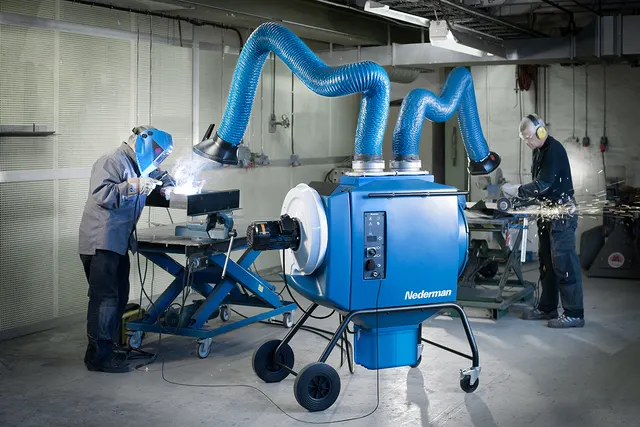
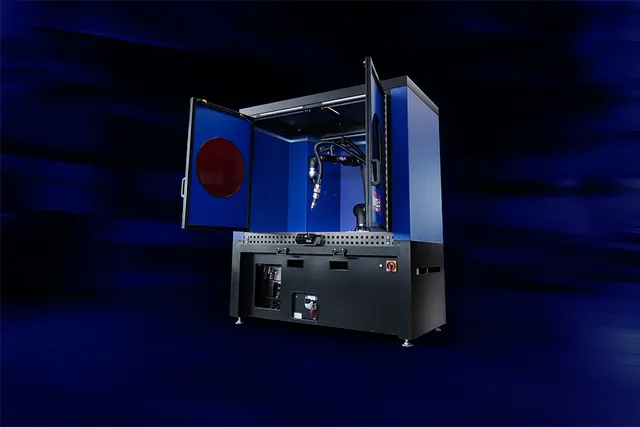
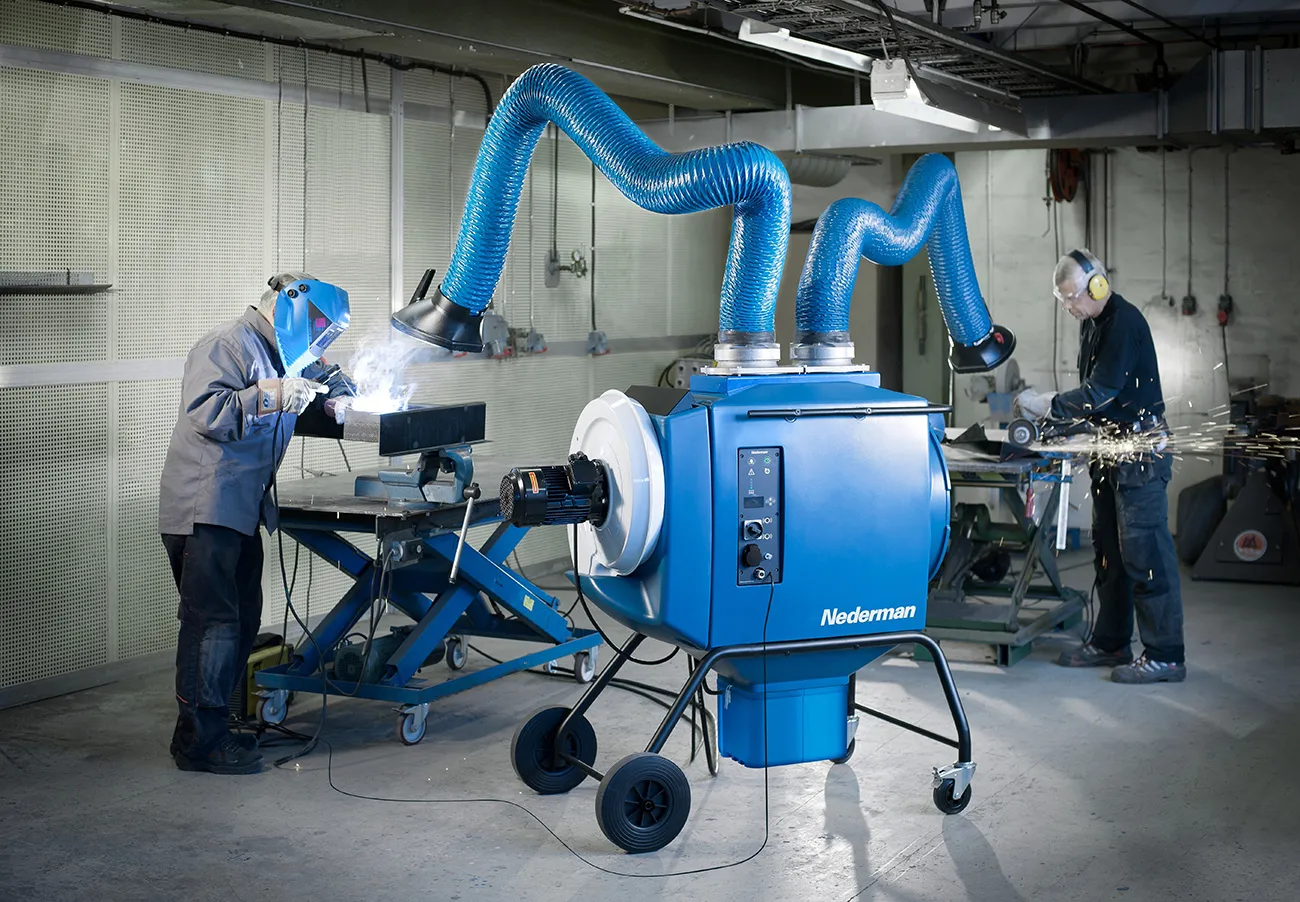
Nederman can always offer a suitable solution, depending on the application. In most cases, the choice is extraction arms, available in several flexible models, connected to fixed or mobile extraction and filtration systems. Examples of mobile systems include the FilterCart and FilterBox, while the MJC-mini and MCP or LCP-Smart filtration systems are options for fixed installations. Automated installations with welding robots more often use extraction at the tool or torch, or integrated MIG nozzles. For room extraction of welding fumes, an MCP-16RC is installed in the centre of the workshop, without source extraction. This repeatedly draws contaminated air through the filter, capturing welding fumes and dust particles. The purified air is then returned high up in the workshop. Other possible systems include extraction tables and hoods.
“We take full ownership of every project and handle the design, engineering, production, installation, commissioning and maintenance. After all, performance depends on product quality, perfect assembly and proper maintenance. Customers can also turn to us to upgrade older systems and for advice on the regulations and standards required to achieve a ‘clean, healthy, safe and productive’ working environment,” concludes Gunther Maes. “The right air filtration systems with source extraction save lives by extracting and filtering polluted air. These installations not only create a safer working environment for employees, but also increase production efficiency and reduce energy consumption. What is more, they have a positive effect on the climate as a whole. They reduce emissions of harmful substances and greenhouse gases, resulting in better air quality.”
A business enquiry for Nederman? Get in touch
Companies in this story
Keep following this
Get an email when a new story is published. No account needed.
- ThemeMetal forming and joining
- SubjectWelding fumes
- CompanyNederman