Time for change and clean air
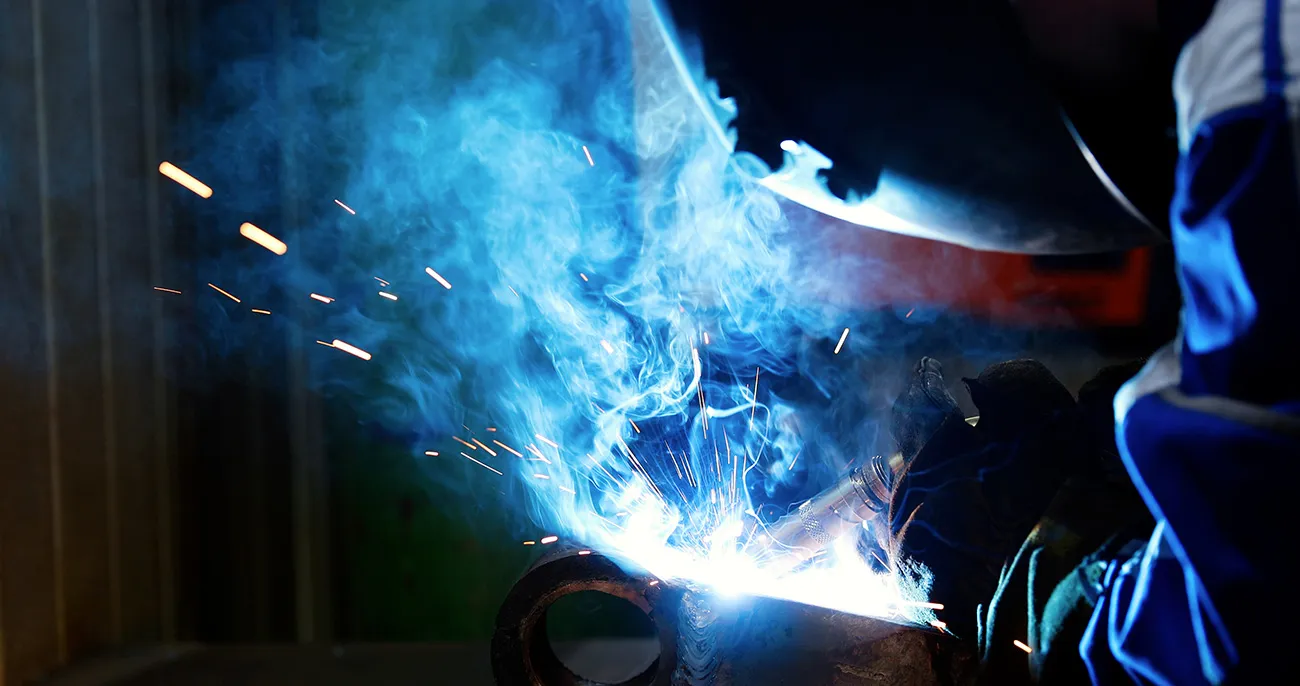
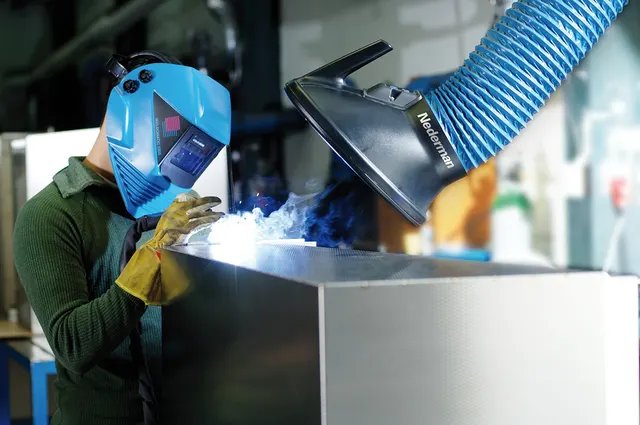
If the coronavirus pandemic has taught us one thing, it is the importance of good air quality in the spaces where we live and work. Yet, according to the World Health Organization, we are a long way from achieving this. Around 99% of the world's population breathe air that does not meet the latest recommendations. Welding fumes are one of the culprits. However, thanks to technological advances, clean air for everyone, everywhere in the workplace, is more accessible than ever.
Even the basic operation of industrial welding fume extraction systems is generally not well understood by operators. As a result, these systems do not always receive the attention and maintenance they deserve. This lack of knowledge is now made even more apparent by the shortage of technically skilled personnel. Technology offers a way to address this problem. Just like machines, filtration systems are becoming smarter and more connected. They are now IIoT devices, equipped with sensors that map their key performance indicators and provide users with dashboards and data to optimise their operation. This is an investment that benefits your employees’ health as well as their productivity. Indeed, these systems send alerts when maintenance is required or when key components encounter problems that could lead to downtime.
Optimised filtration technology
Filter technology has also undergone a profound transformation over the past decade, creating opportunities to improve the efficiency of your system. A filter’s performance depends on numerous parameters, which generally need to strike the right balance between its ability to remove particles from the airstream and the energy required to do so. In recent years, many users have opted for a lower initial investment, and therefore lower efficiency, to reduce costs, or have replaced original filters during maintenance with cheaper, lower-performing alternatives. Both approaches compromise air quality and often cost more in the long run.
Advanced filtration technology eliminates the need for compromise. Innovative filter media, such as nanofibre and ePTFE membranes, can capture a high percentage of harmful particles smaller than 1 µm in welding fumes, for example, without significantly increasing energy costs. Filters are now designed with a larger working surface, lower pressure requirements and easier cleaning, reducing energy consumption and waste.
An energy-efficient approach
Nevertheless, welding fume filtration will always require energy. It is therefore important to choose the most energy-efficient approach and equipment possible to keep operating costs to a minimum. Investing in systems with energy-efficient technologies, such as variable speed drives, more efficient filter media and intelligent control systems that capture air according to demand or actual air quality measurements, can help companies save up to 70% on energy costs compared with a conventional manually controlled system. It is therefore worth reviewing filtration and ventilation systems, particularly in the context of current energy prices and sustainability targets.
Ready for the new air technology
We cannot take the air we breathe or the systems that filter it for us for granted. Recognising the importance of healthy air in the workplace for safety, productivity and sustainability highlights just how crucial our investment in industrial systems and their maintenance is to overall operations. Greater attention should be paid to protecting employees and the environment from the harmful effects of welding fumes, for example. Change is in the air, and it starts with choosing innovative technology that can ensure a cleaner future.
Question about this story? Ask your question
Keep following this
Get an email when a new story is published. No account needed.
- SubjectWelding fumes