Challenges and opportunities in the sheet metal sector
Texte : Valérie Couplez Photos : Dieter Meyns
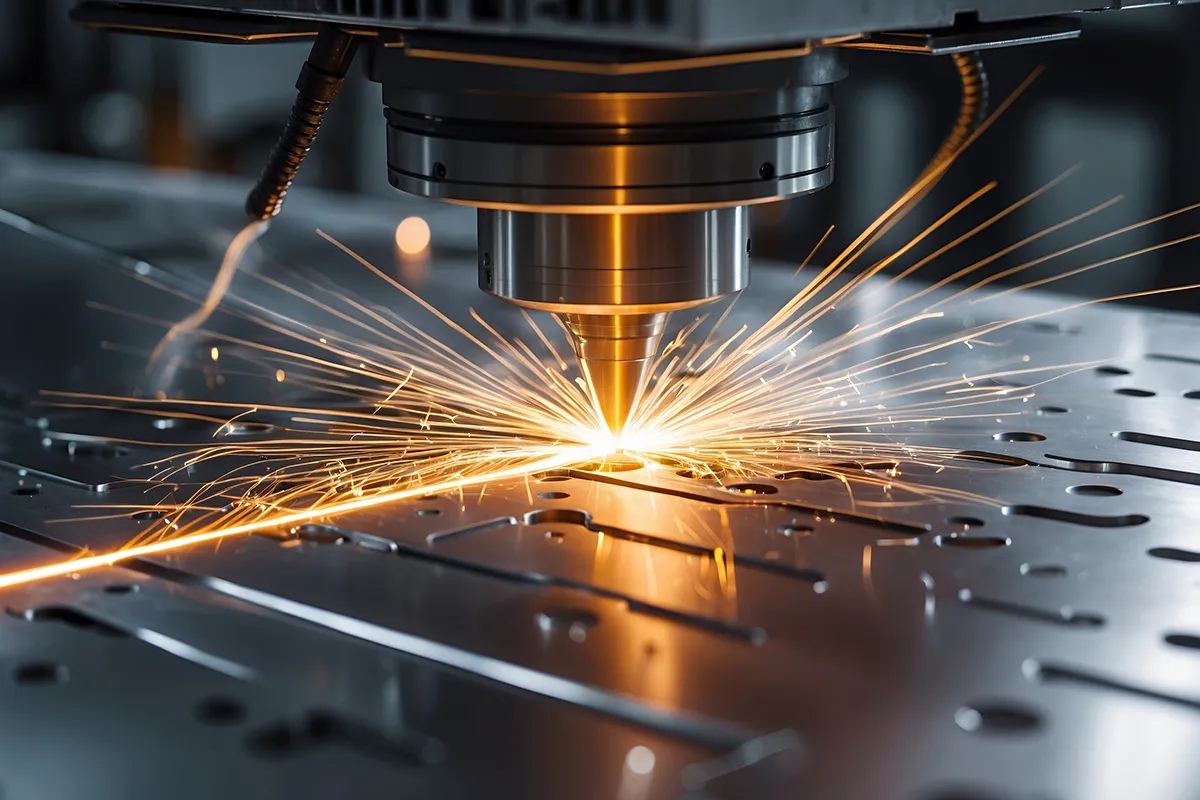
Metaltech-Metaalvak organised its first round-table discussion last May. It was a fascinating discussion about the challenges and opportunities facing the sheet metal sector, with a somewhat surprising conclusion. More than machines equipped with the latest innovations and advanced automation, the sector needs resourceful young people. Find out what that means, and learn about the challenges facing companies in the sector, in the first part of this report. We will explore the opportunities that arise from them in the second part, which will appear in Metaltech-Metaalvak 4.
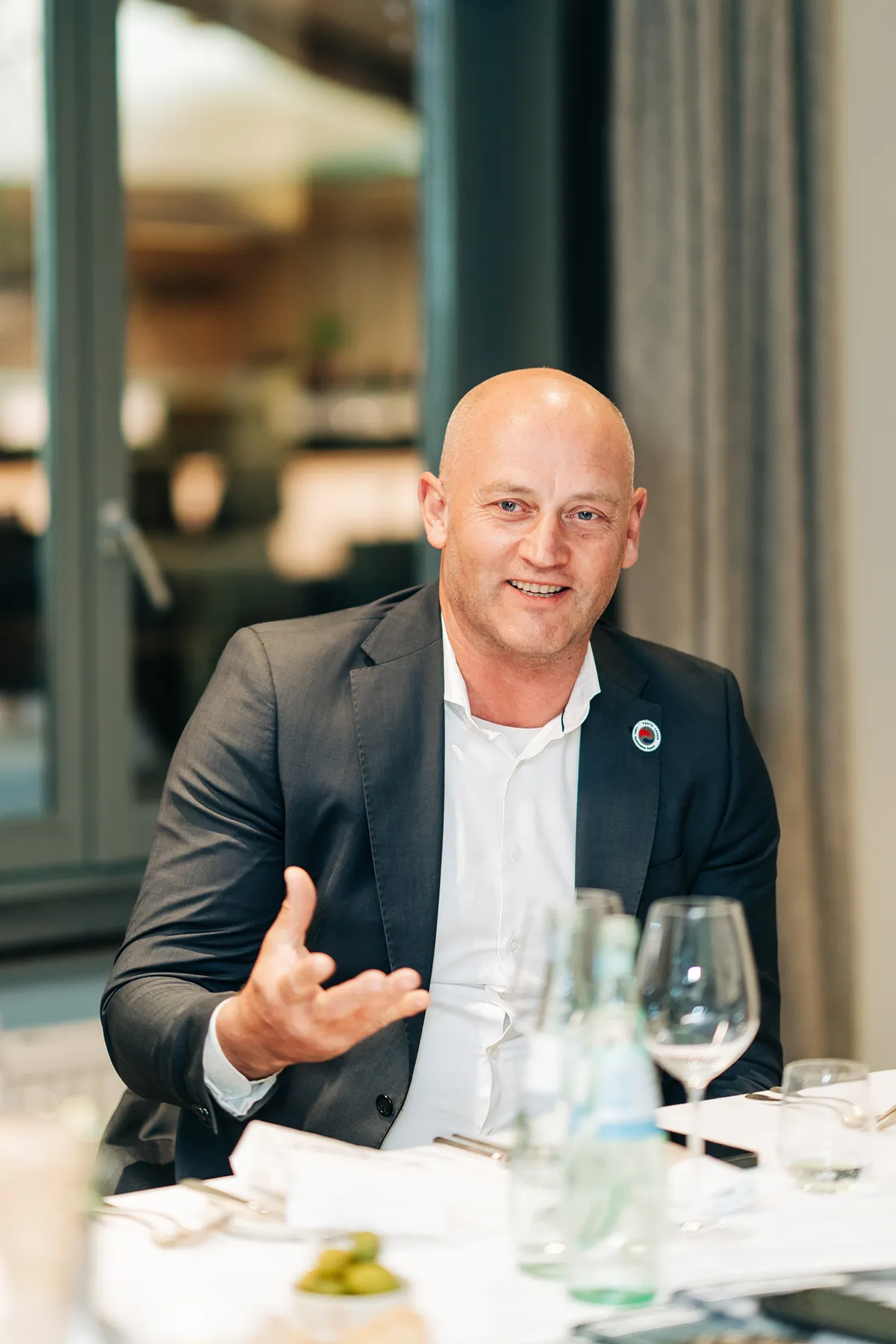
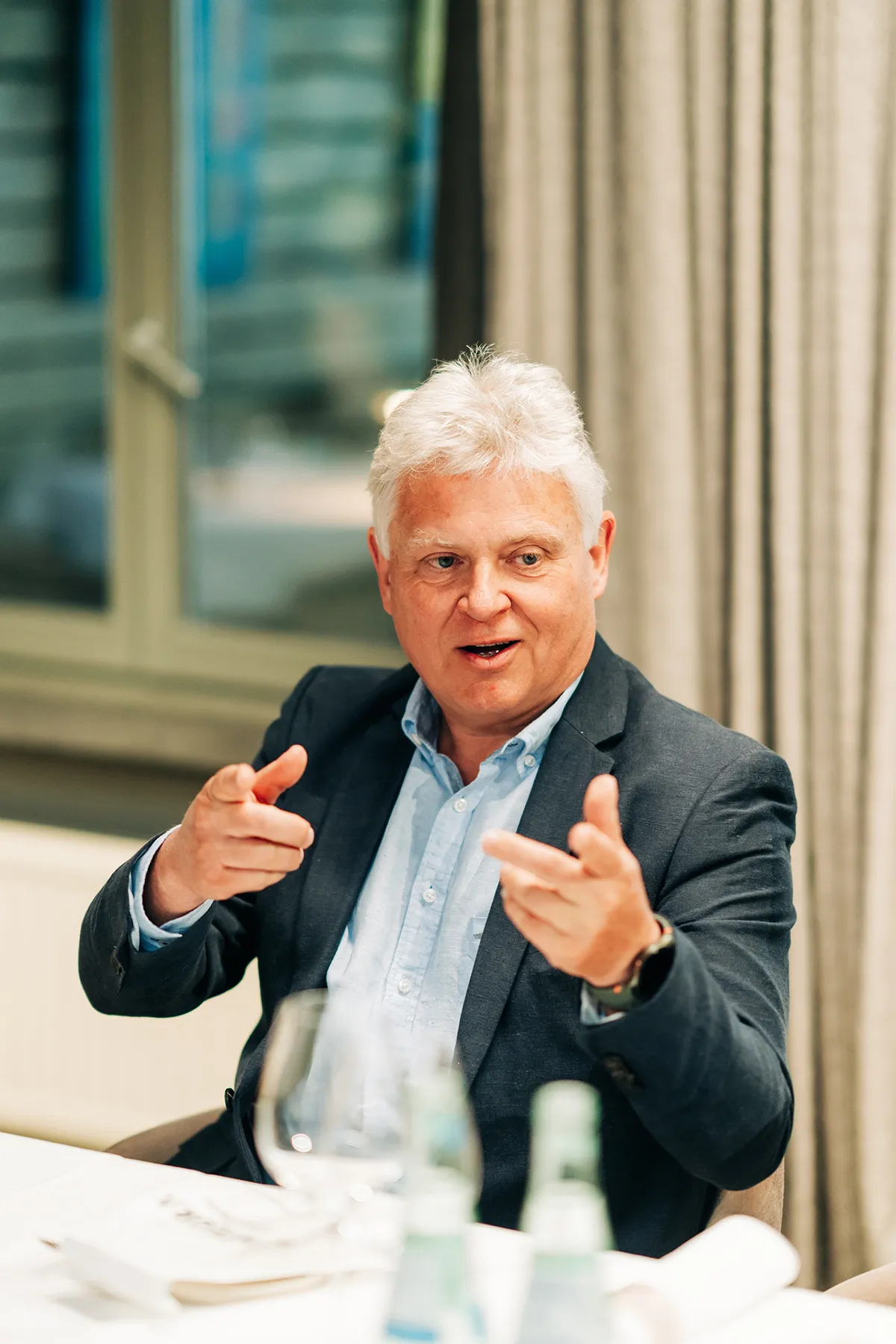
The manufacturing industry is facing a difficult situation. Sigurn Vandenbrande, managing director of textile machinery manufacturer Gilbos, speaks frankly. “We did not make a loss last year, but it was not an exceptional year, and 2025 will not be either. Nevertheless, we still believe we can make a difference through our capacity for innovation and the fact that, as machine builders, we manage all our in-house processes, cutting, bending, turning, milling, welding, painting and so on, here in Belgium. Labour costs may be three times higher than in India, but what I learned during my time at Atlas Copco is that it takes three Indians to do the work of one Belgian. Outsourcing makes them more capable in the long run, but also more expensive. There is no net gain, despite what people sometimes say.”
The advantages of local production
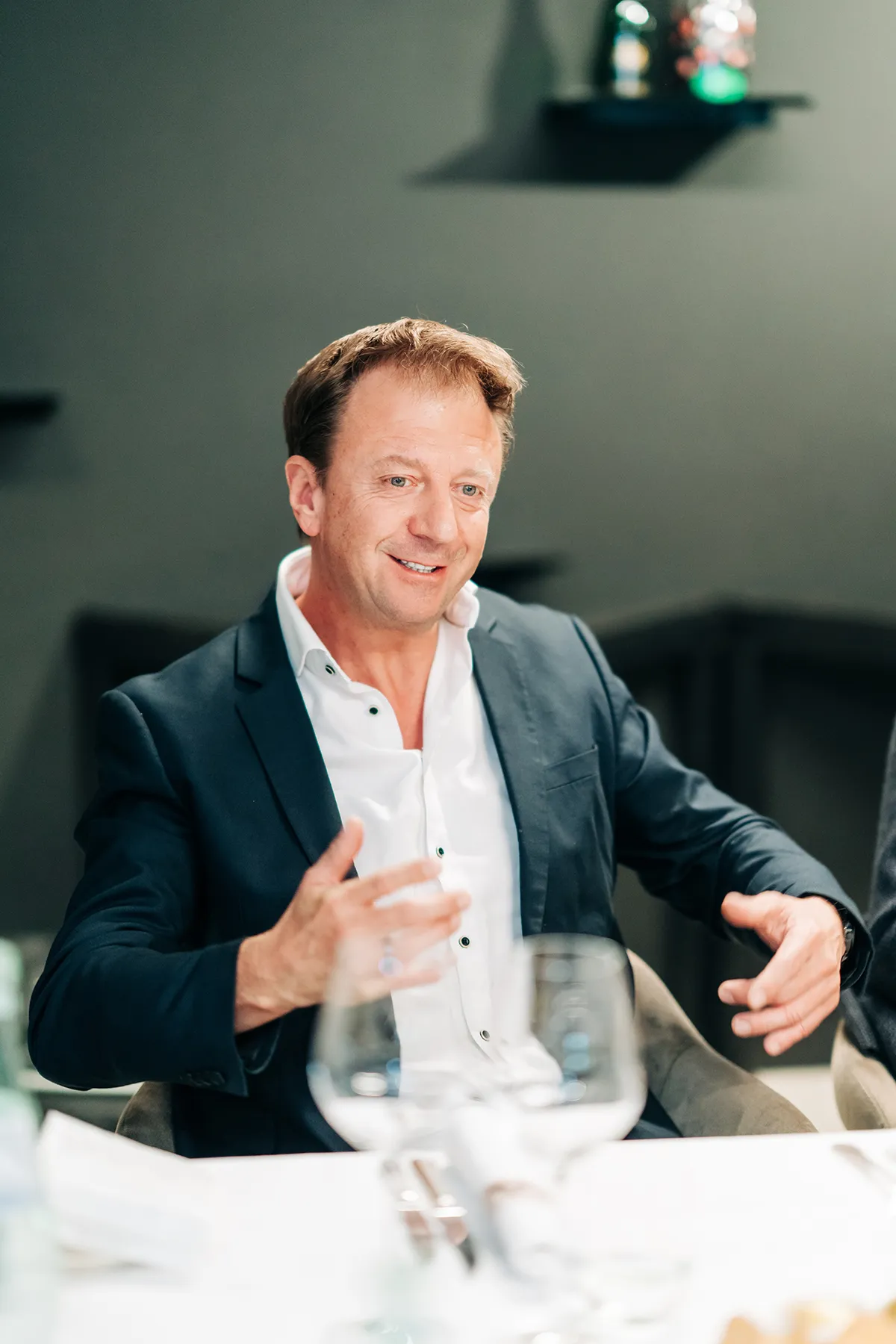
Do Flemish subcontractors face strong competition from abroad? “During the pandemic and the blockage of the Suez Canal, everyone suddenly rediscovered local subcontractors, including multinationals. Then they went back to importing large volumes from China because the cost price there is three times lower. However, buyers are beginning to realise the indirect costs associated with this strategy. For example, a manufacturing company needs to hold a large amount of stock because of longer lead times, and storage comes at a cost. Local subcontractors can add value by responding intelligently to these factors. At Shapes, we want to stand out with our one-stop shop approach, offering more services and taking more of the load off our customers,” explains managing director Dirk Haerinck.
Phenomenal
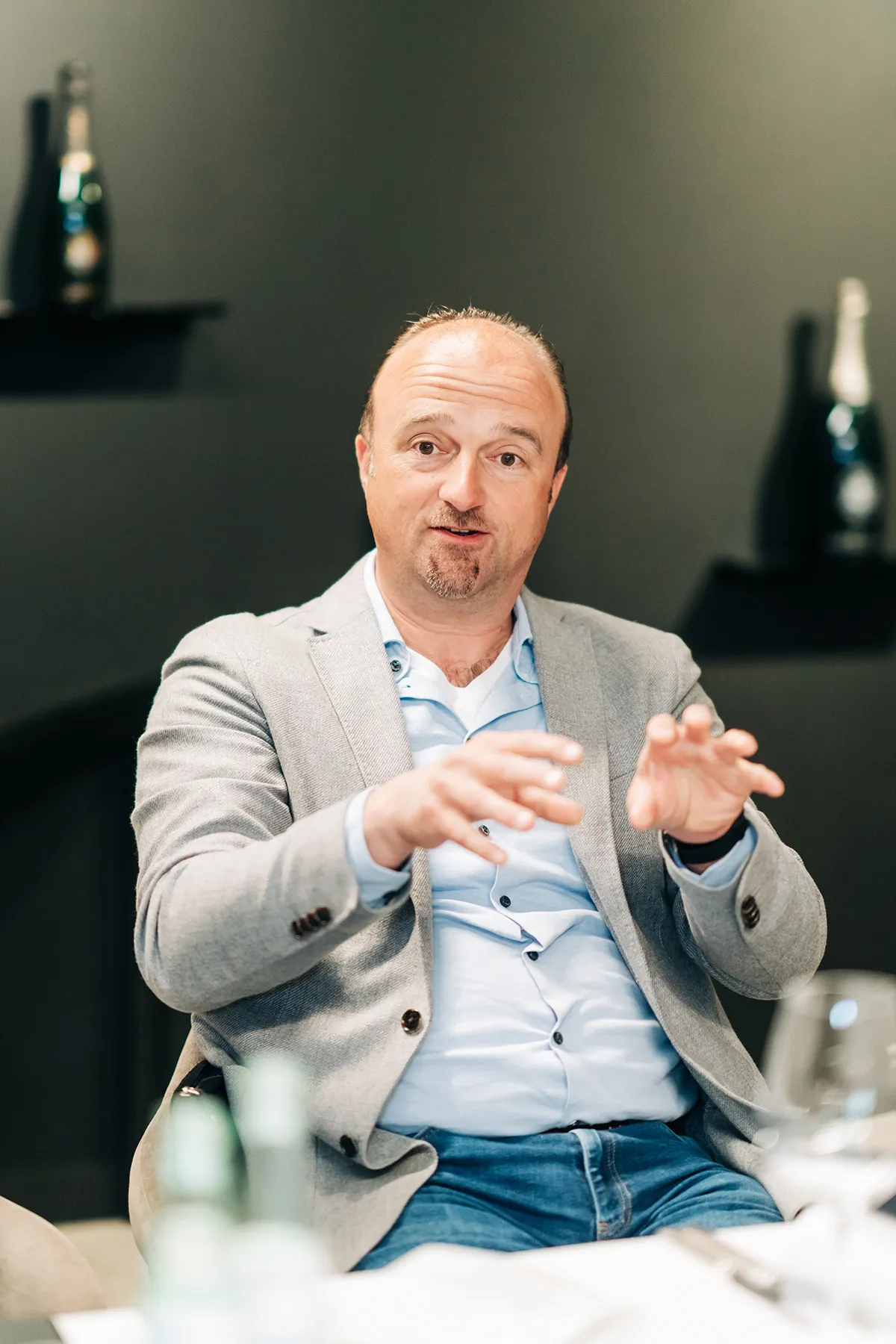
It is not just spare parts that are imported. Chinese machine tools are flooding the European market. Jeroen Carmiggelt represents Penta Laser Benelux. “You cannot stop progress. Customers know what is happening in the market, in Europe and elsewhere, and they know the prices. They want to produce at the lowest possible cost per part. But you have to follow through after the sale. It is up to us to convince them of what Penta can offer. The last thing we should do in Europe is underestimate the quality of products from China. Has anyone been to China in the past five years? What is happening there is incredible, both the pace of change and the scale of development. What do we have to offer in return? Time off in lieu, parental leave, the nitrogen issue, restrictions on electricity use, …”
The case for plasma
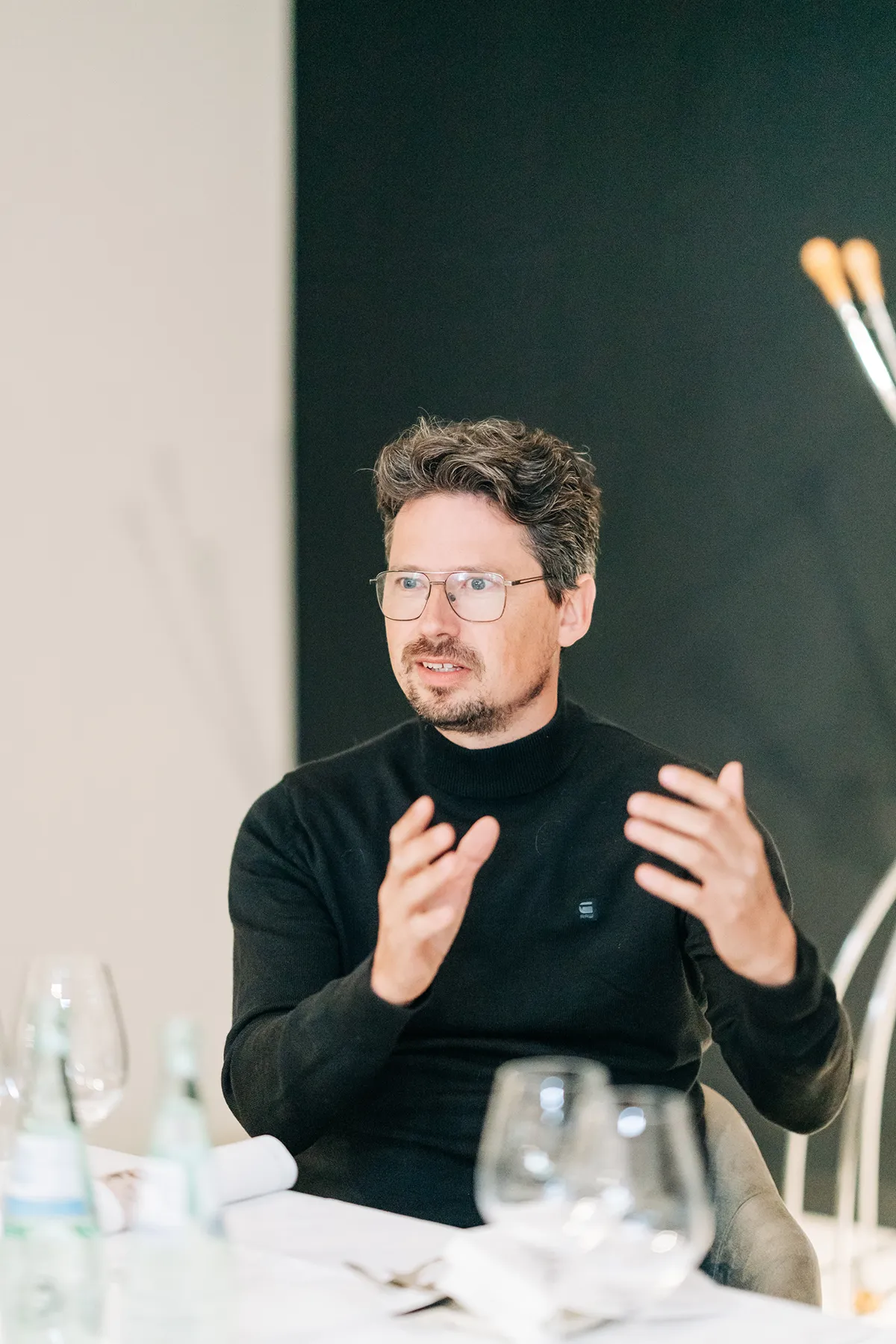
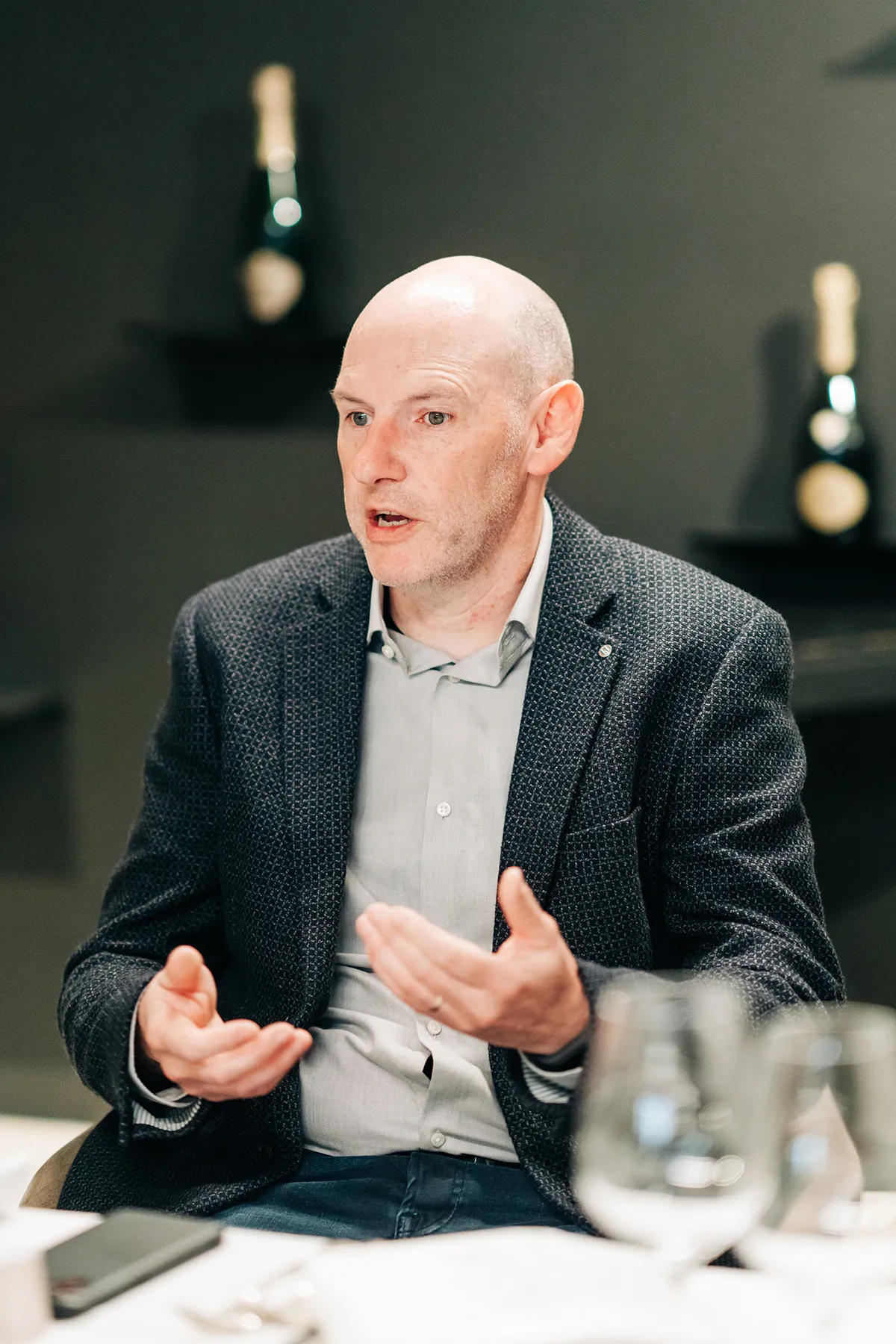
Plasma cutting technology may be facing the greatest competition from low-cost laser cutting machines. “We are being pushed out of the thin sheet segment,” admits Jan Van Overbeke, managing director of Plasma Solutions.
“Users sometimes focus too much on the hype around fibre lasers. There are still many applications, particularly involving thicker materials, where plasma technology is the best option from a technical point of view. We can compete with China on price, but plasma is more difficult to automate. Kjellberg is working hard on this. Plasma technology is also continuing to advance, with developments including automatic torch changes and monitoring of consumable parts. This is where most companies in the sector struggle: finding skilled workers. We need to keep investing in young people and getting them interested in metalworking.”
Building bridges
That call has not fallen on deaf ears. Raf De Boeck, director of RTC Vlaams-Brabant, can only agree: his organisation works to build bridges between education and business. “It does not work without collaboration,” he says. “Schools do not always have the budget to let students and teachers experiment with the latest technologies.” Raf De Boeck cites the “Brabant last, iedereen wint” project as an example. “We want to raise the quality of welding education, including through additional training, so that students can enter the workforce with relevant qualifications and internationally recognised certificates.”
“Alongside our collaboration with VDAB, Mtech+ and VCL on this project, we are introducing young people to the latest technologies, including through a collaboration with Wouters Cutting & Welding this year. But although the number of students in technical programmes is beginning to stabilise for the first time in years, we are seeing mechanical disciplines disappear from the educational offer. That is a real shame.”
Automation benefits everyone
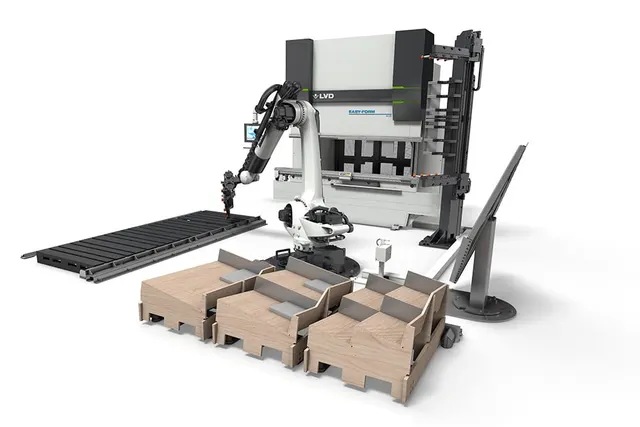
In practice, fewer workers means more automation. Nic Wouters, managing director of Wouters Cutting & Welding, confirms this trend. “Companies want to eliminate manual finishing processes such as deburring and chamfering. They are doing so by investing in more modern cutting technologies that can produce perfect parts in a single pass, and by adding machines downstream. Everyone benefits: operators do more interesting work instead of repetitive tasks, costs come down and quality improves. Another important consideration for the rest of the process is that, if you want to use robots, you need to improve repeatability. Tolerances are becoming very tight. More process control is needed, which in turn makes it easier to monitor and calculate performance retrospectively.”
Software lifespan
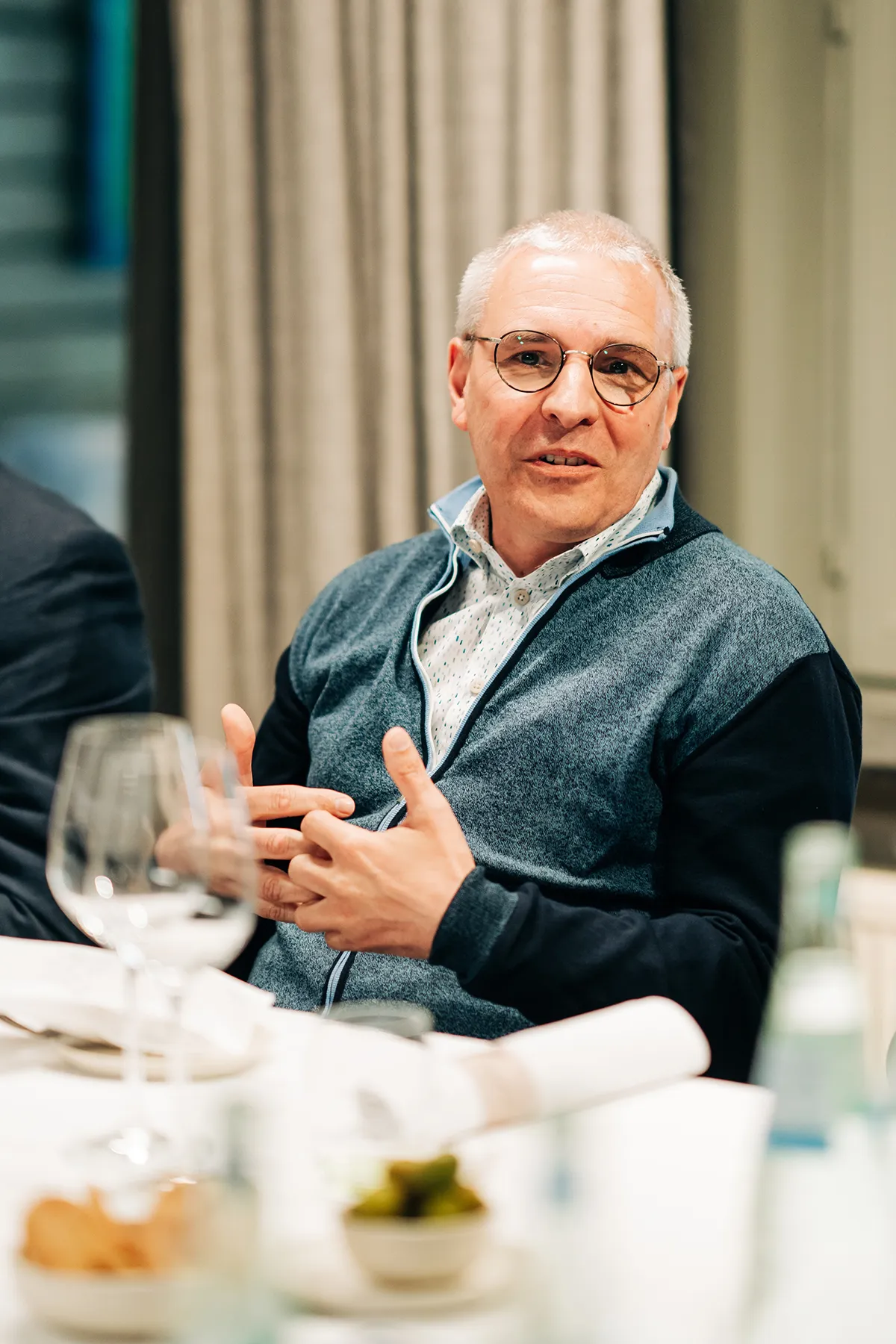
This brings us to software, an increasingly important factor in purchasing decisions. “The benefit of the transition to digitalisation is that knowledge previously stored in the operator’s head can now be built into machines. Conversely, large amounts of data can be extracted from machines to work more efficiently. TRUMPF’s R&D department is working in this area. The downside is that software has a shorter lifespan than machines. Everything is moving so fast. If you have machines that are ten years old, for example, you cannot use our Oseon software with them. Should you then buy a new machine to improve productivity? It is a difficult business case to justify, but it is the way forward. Ultimately, we are moving towards employees supported by AI. The more technology supports your operators, the more competitive you are,” says Karel Vincke, managing director of V.A.C. MACHINES, which distributes TRUMPF technology in Belgium and Luxembourg.
Speeding up production planning
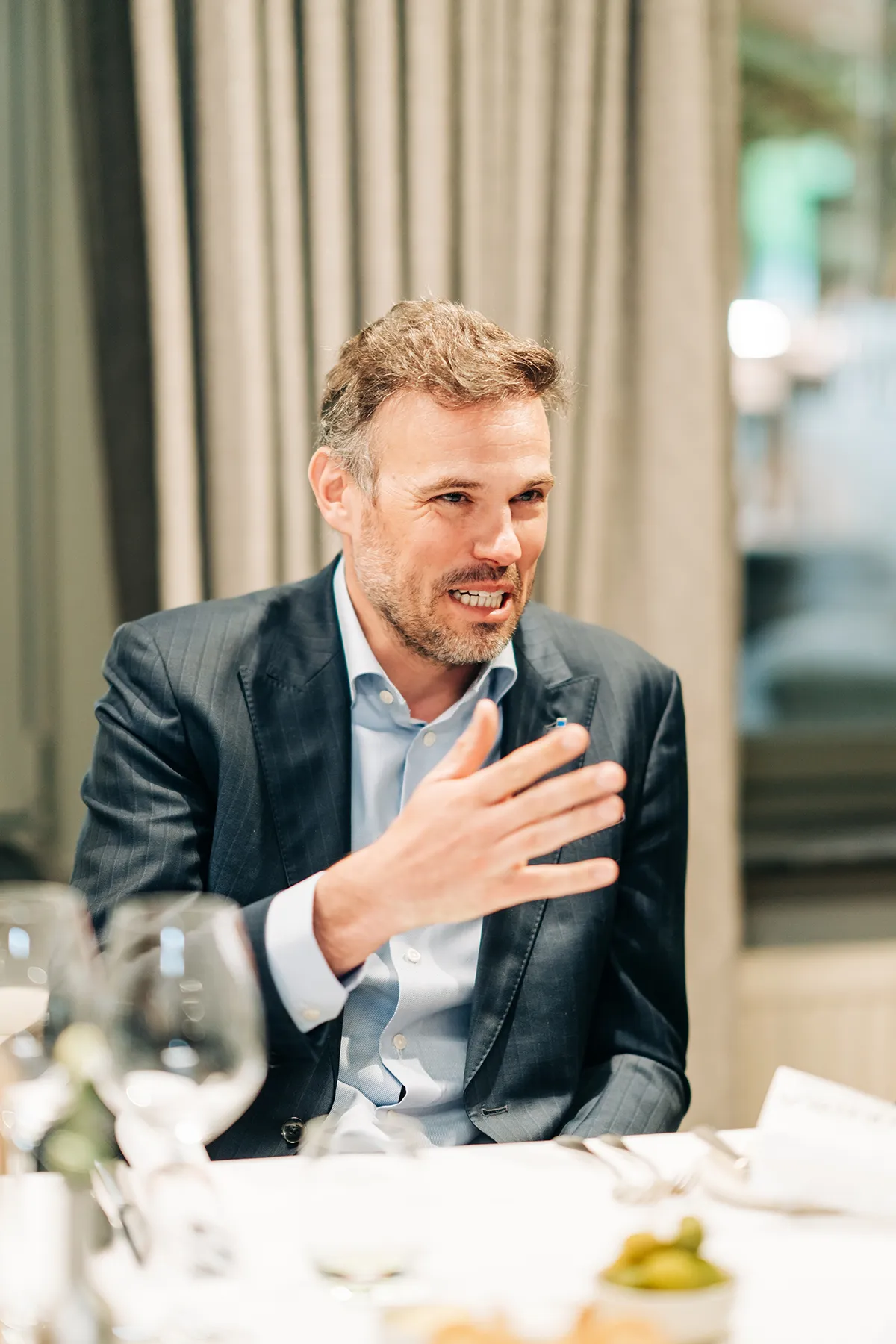
This raises another question, according to Fritz Walcarius, co-managing director of Shapes Metalworks. When is the right time to invest in new sheet metal processing technology? Now, to save a few seconds in cutting? Or the day after tomorrow, once the teething problems of AI have been ironed out? “In the past, automation was impossible without batch production. This was a particular problem in production planning. The time saved through automation was lost in programming. If software in general, and the integration of AI in particular, can make programming one-off parts as profitable as programming small batches, that will significantly improve productivity in manufacturing companies.”
Thank you to Jeroen Carmiggelt (Penta Laser Benelux), Raf De Boeck (director, RTC Vlaams-Brabant), Dirk Haerinck (Shapes Metalworks), Sigurn Vandenbrande (Gilbos), Jan Van Overbeke (Plasma Solutions), Karel Vincke (V.A.C. MACHINES), Fritz Walcarius (Shapes Metalworks) and Nic Wouters (Wouters Cutting & Welding) for attending and for their valuable contributions.
On resourceful young people
What do we mean by resourceful young people? Although this was not a criterion for our selection, there were three at our round table. What do they have in common? A passion for technology, passed on from an early age as they watched their parents tinkering with machines. Sigurn Vandenbrande: “You learn to be resourceful, use common sense and take the initiative. These qualities make people key players in manufacturing companies. We need talent. We may be a knowledge economy, but without production facilities that knowledge will disappear to parts of the world where it can be put to productive use. If manufacturing disappears, I fear our prosperity will disappear too.”
Question about this story? Ask your question
Companies in this story
Keep following this
Get an email when a new story is published. No account needed.
- ThemeProduction flow automation
- SubjectSheet metalworking
- CompanyWouters Cutting & Welding BV
- CompanyV.A.C. MACHINES