Precision gearing for targeted cooling
Texte : Johan Debaere Photos : Horn/Sauermann
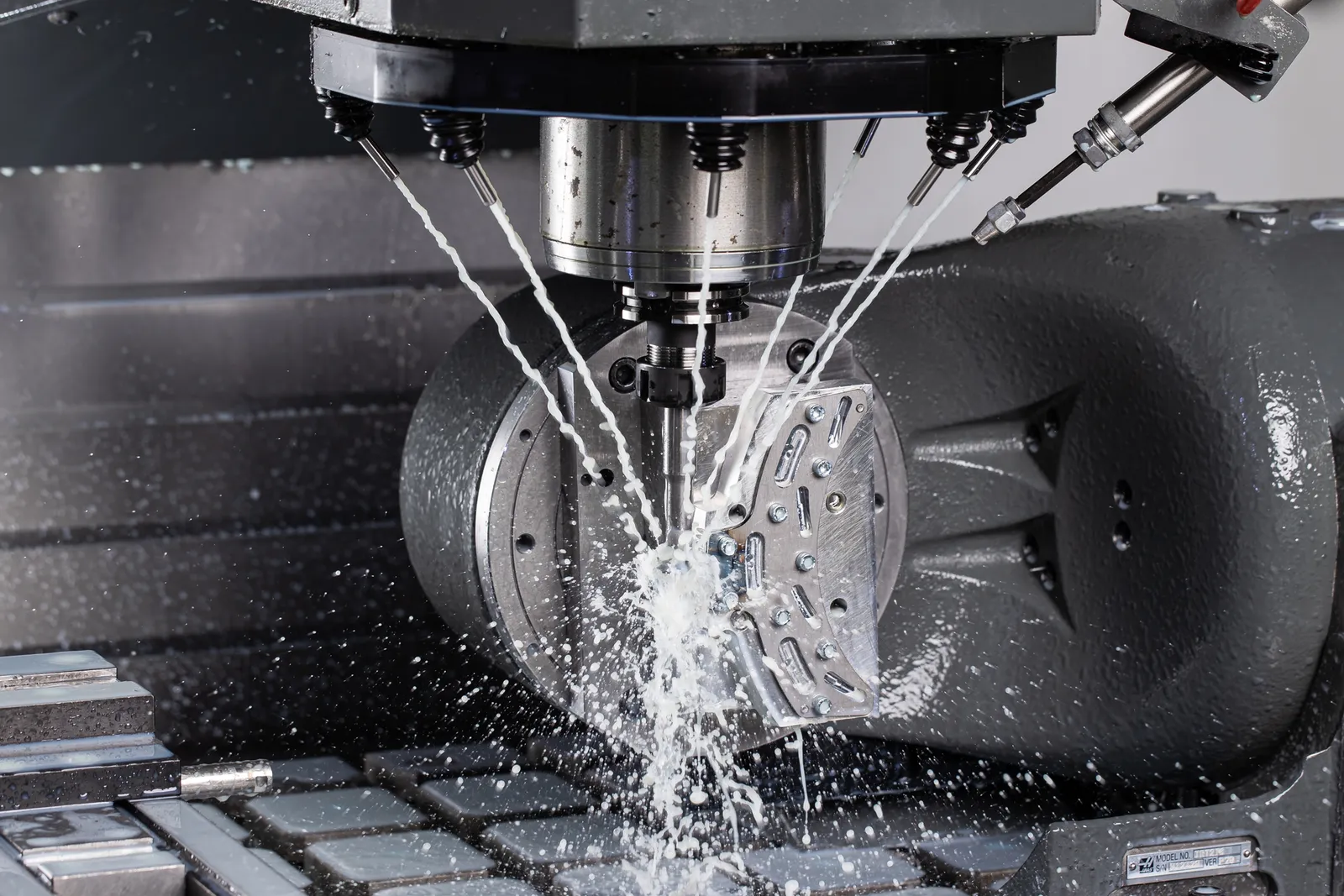
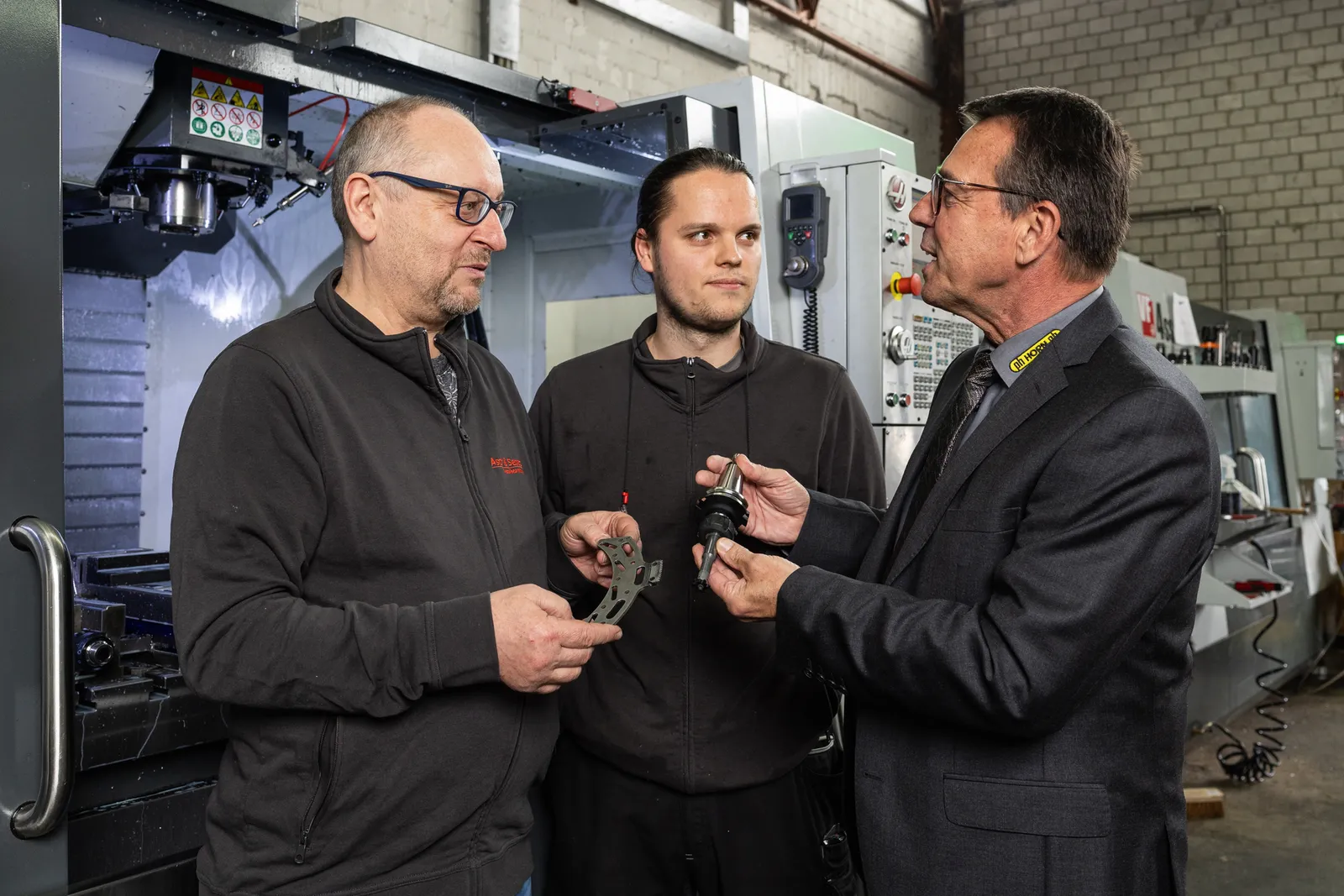
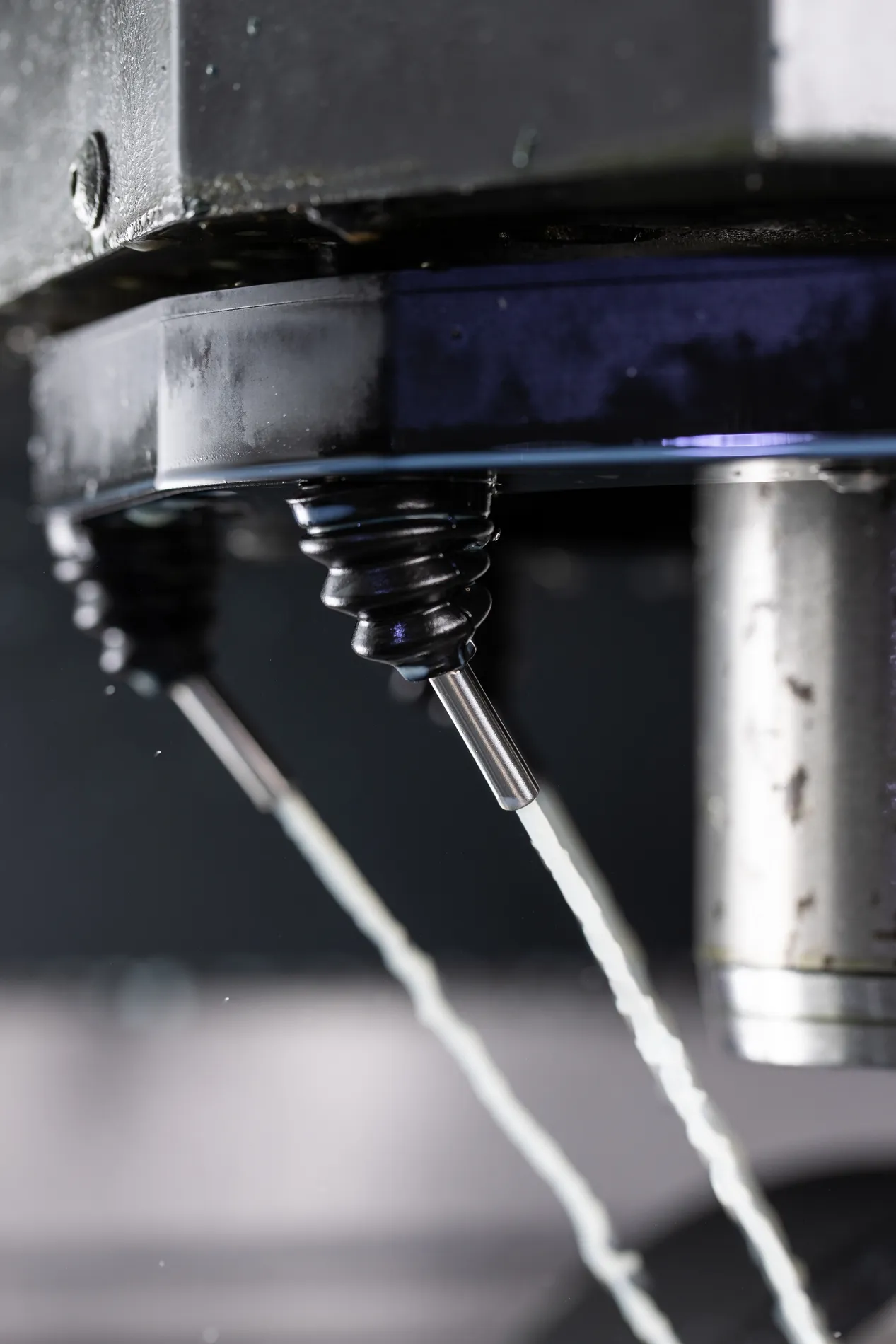
Switching from a short tool to a long one during milling requires the coolant supply to be adjusted. This is a familiar problem for operators. In particular, when internal coolant supply is not available, more effort is needed to ensure the accuracy of the machining process. Asch & Sebert has developed a coolant ring whose nozzles automatically adjust to the tool length. For the manufacture of this patented solution, owner Gerald Sebert relies on Horn precision tools.
Asch & Sebert specialises in developing and manufacturing high-quality precision components, supplying tailored solutions to a range of sectors, including machine building, medical technology and automotive. The company focuses on the highest levels of quality and precision in CNC turning, milling, grinding and surface treatment. It relies on a dedicated and motivated team, and has a modern production facility equipped with the latest machinery. This enables it to ensure efficient production and respond flexibly to each customer-specific order. With its expertise, the company is a reliable partner, helping customers complete complex projects while meeting the highest standards of quality and service. Reliability, customer satisfaction, sustainability, environmental responsibility and innovation are key priorities at Asch & Sebert.
Trial and error
This commitment to innovation led to the development of a coolant ring. The project began in 2009, a difficult year economically. Like many other manufacturing companies, they had encountered problems supplying coolant to tools of different lengths during a production process. “We wanted to find a solution to this problem ourselves, so we invested in developing a self-adjusting coolant ring. After producing several prototypes, we tested the system on our own machines over an extended period,” explains Gerald Sebert. “Developing a product is one thing, selling it is another. The patent search in particular took a long time. We went back as far as the 1930s to check that our idea did not infringe any existing patents. It was not until 2015 that we filed a patent application for our system.”
The managing director continues: “Although we were absolutely convinced of the benefits of our innovation, it was not easy to market the coolant ring on a large scale without an adequate marketing budget. So I contacted several machine tool manufacturers. One of them promised to work with us, but after years of effort during the development phase, it abruptly pulled the plug on the project. This was a serious setback, as development costs were high. But we did not give up and started discussions with other machine builders. And successfully, as we managed to convince several leading companies of the quality of our system. It is now used in many machining centres. Fanuc, for example, has already developed an application for the cooling system that automatically adjusts the position of the coolant nozzles according to the tool data entered.”
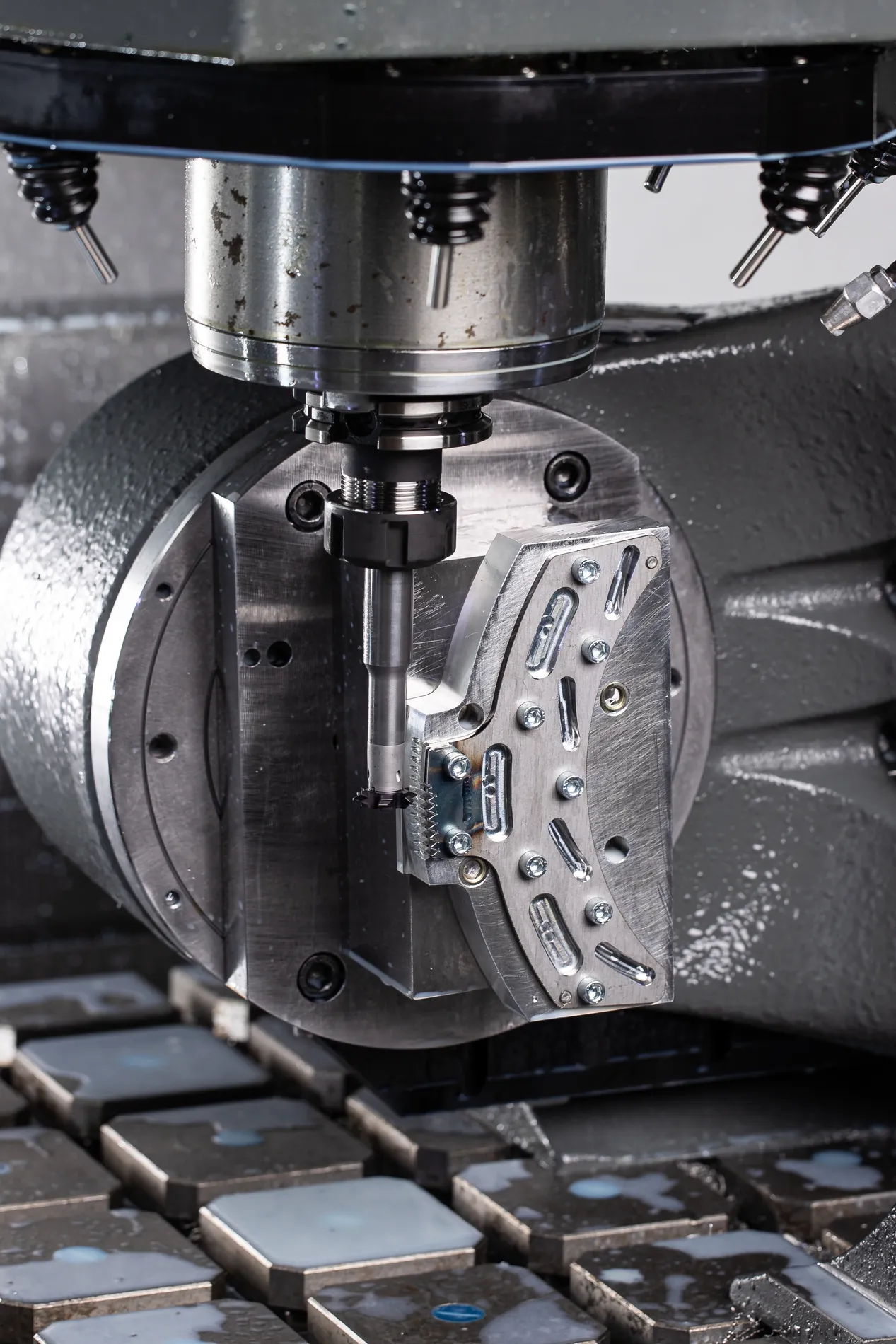
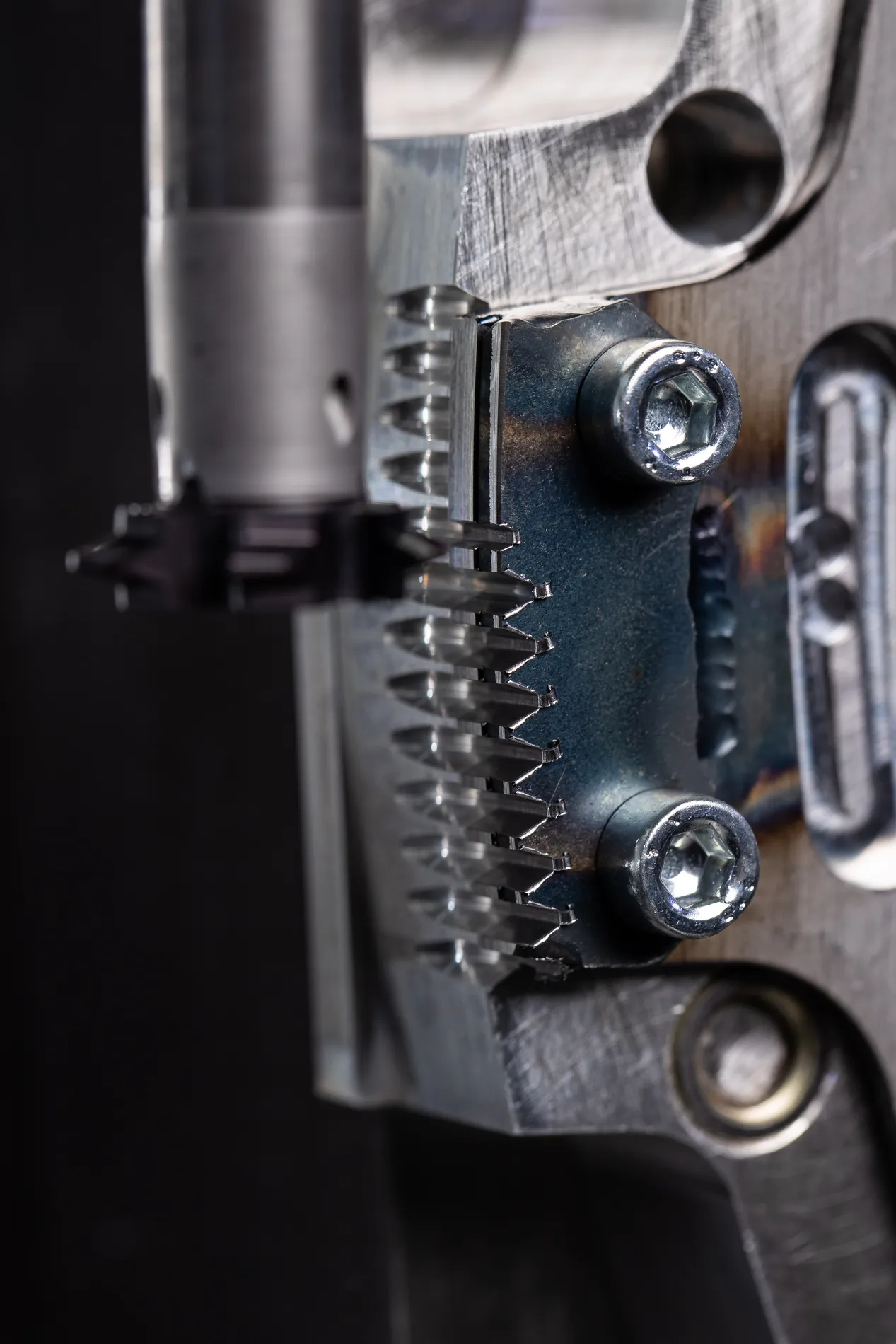
Asch & Sebert manufactures the mechanical components of the coolant rings in-house. The coolant nozzles are moved by a mechanism controlled by a gear unit. For milling gears with a module of 1, the experienced team of machinists relies on Horn’s circular milling system. “From the outset, we deliberately chose Horn systems. We examined and compared many tools from different manufacturers, but none offered the flexibility of Horn’s milling tools.
We work with tool overhangs that are sometimes very long, and that is where the wheat is separated from the chaff,” explains Gerard Sebert.
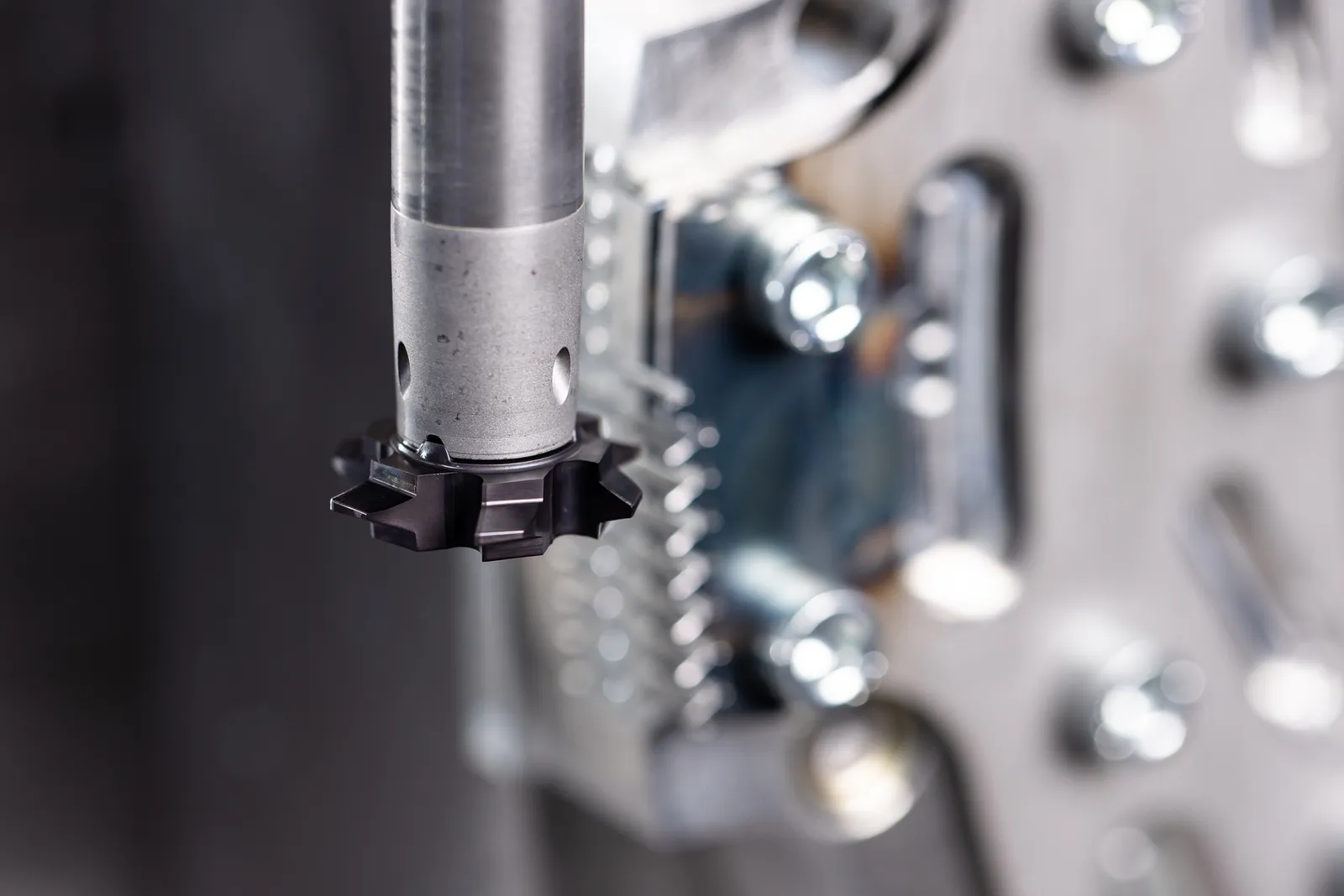
Type 623 circular milling system
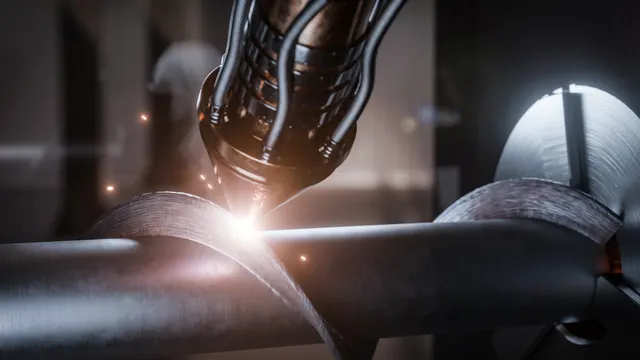
The Asch & Sebert team uses Horn’s type 623 circular milling system. The tool’s special six-tooth profile matches the required profile of the workpiece’s gear flanks. The tool has a long reach due to the application requirements. Thanks to the vibration-damping solid-carbide body, there are no tool vibration problems. The precise cutting interface between the holder and the insert ensures that the precision-ground insert runs true and flat when changed. Roughing and finishing are carried out with the same tool.
The tool mills the individual teeth into the workpiece in several passes. Roughing cuts have a depth of ap = 0,2 millimetre and are milled at a cutting speed of vc = 100 m/min. The finishing cut is 0,1 millimetre. It is also carried out at a cutting speed of vc = 100 m/min. The milling direction is opposite. Despite the high cutting forces generated by the six teeth, Horn tools are very stable. The six teeth provide high milling capacity and allow higher cutting speeds. “Despite the long tool overhang, there are no marks or vibration damage on the surface. Naturally, we also ensure that the components are clamped very rigidly. The tools could also mill the teeth in a single pass without any problem. However, we deliberately chose to work in several passes to achieve optimum gear quality on this key component,” explains Gerard Sebert.
A versatile system for milling processes
Slot milling, parting-off or gear milling: these are just three of the many milling processes that Horn’s circular milling system performs efficiently and accurately. A true all-rounder, the system’s extensive tool range can also be used for other milling processes. It can also be used for drilling from an internal diameter of 8 millimetres, or for milling narrow grooves just 0,2 millimetre wide… These tools provide solutions to many challenges, in a wide range of standard options as well as special versions for the most diverse milling processes.
Horn’s circular milling system offers users a whole range of advantages: it is fast and reliable, and delivers excellent surface finishes. The tool enters the material at an angle or at a very shallow angle. This makes it possible, for example, to produce threads with consistently high quality. Compared with machining using indexable inserts for larger diameters or solid-carbide milling cutters for smaller diameters, circular milling is generally more economical. Circular milling also has a wide range of applications. It can machine steel, stainless steel, titanium, aluminium and special alloys. The precision tools are particularly suitable for slot milling, circular drilling and thread milling, as well as for milling T-slots or gears. They also perform well in specialised applications, such as milling sealing faces or machining connecting rods.
Retrofitting and OEM
As well as OEM applications with various machine tool manufacturers, Asch & Sebert also offers coolant rings for retrofitting existing, including older, installations. The system consists of the coolant ring itself and the associated control box. The box connects directly to the machine control so that tool data can be accessed. The relevant machine tool manufacturer should be consulted for each specific installation. Another option is a manually controlled coolant ring. Installation does not require direct communication with the machine software. The position of the coolant nozzles can be adjusted using a control panel beside the machine
control. The system delivers a maximum coolant pressure of 15 bar. In most cases, this is sufficient for external coolant supply. At higher pressures, the coolant lubricant atomises too much and loses its properties.
“Working with Horn is an important factor in the successful development and production of the coolant ring,” stresses Gerald Sebert. “We were convinced by Horn’s systems from the outset. No other milling system offers the flexibility we need.”
Een zakelijke vraag aan Hartmetall-Werkzeugfabrik Paul Horn GmbH? Get in touch
Companies in this story
Keep following this
Get an email when a new story is published. No account needed.
- ThemePrecision and productive machining
- SubjectMachining
- CompanyHartmetall-Werkzeugfabrik Paul Horn GmbH