What are the machining trends for 2026?
Texte: Valérie Couplez Photos : iStock
CNC machining has long been the backbone of precision manufacturing, but the pace of change as 2026 approaches is unprecedented. As global supply chains recover, AI is integrated into manufacturing and sustainability becomes a boardroom priority, leaders in the machining industry must rethink how they plan, programme and optimise their operations. We look at five trends that will shape the year ahead.
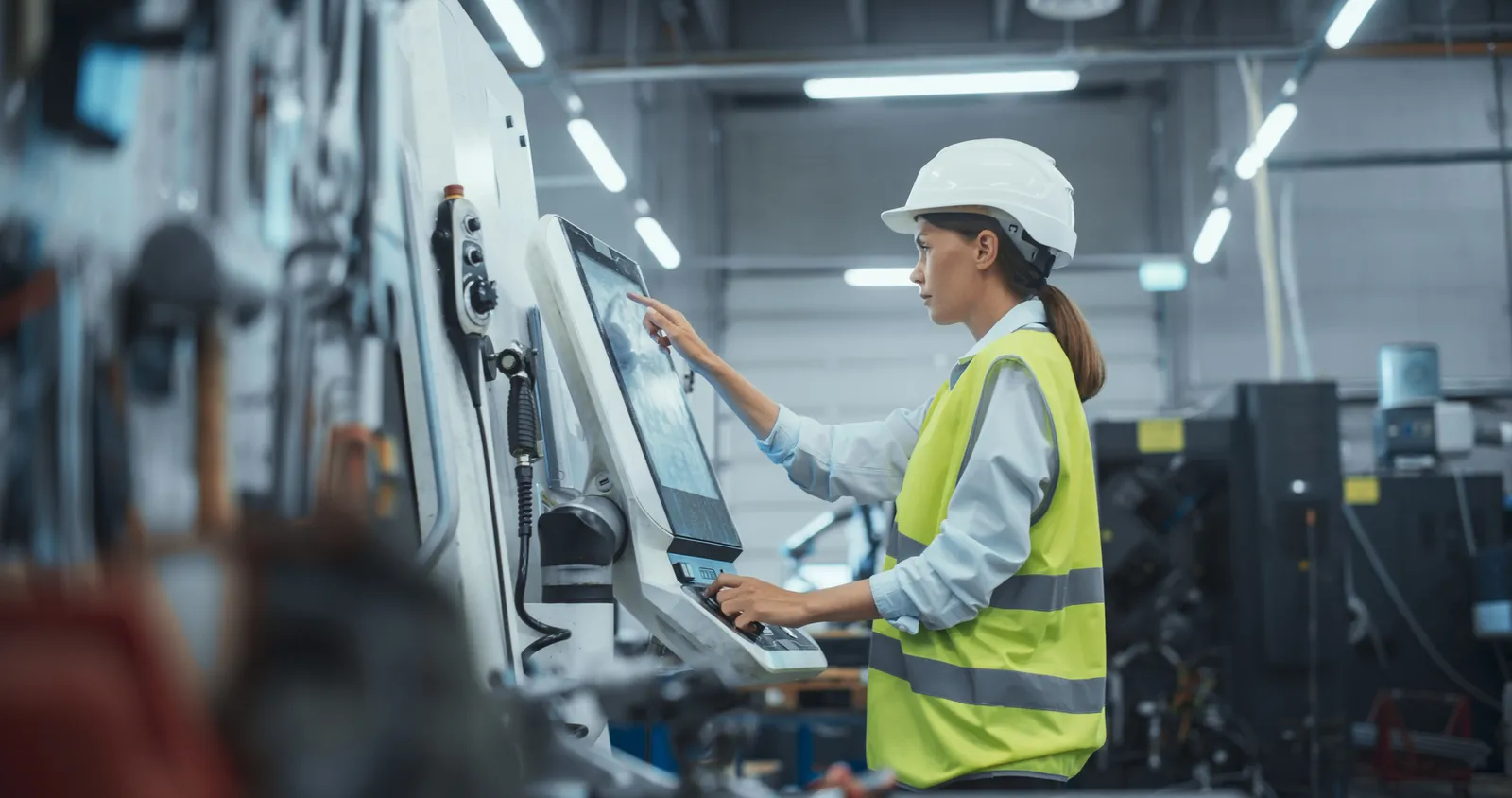
For years, AI in production was confined to academic pilot projects and standalone monitoring tools. In 2026, AI will no longer be experimental, but an integral part of day-to-day machine control and planning. AI-driven machining uses real-time sensor data to automatically adjust feeds, speeds and tool paths, responding to vibration, loads or temperature changes as they occur. The result is more consistent surface quality, less tool wear and reduced production downtime. As machine controllers, CAM systems and data analytics platforms become more closely connected, AI is expected to move from prediction to adaptive correction, closing the loop between design intent, NC programming and actual machining behaviour.
This shift will also redefine the role of operators. In future, they will spend less time responding to machine alarms and more time validating data models, adjusting algorithms and improving process reliability.
Digital twins, the backbone of production
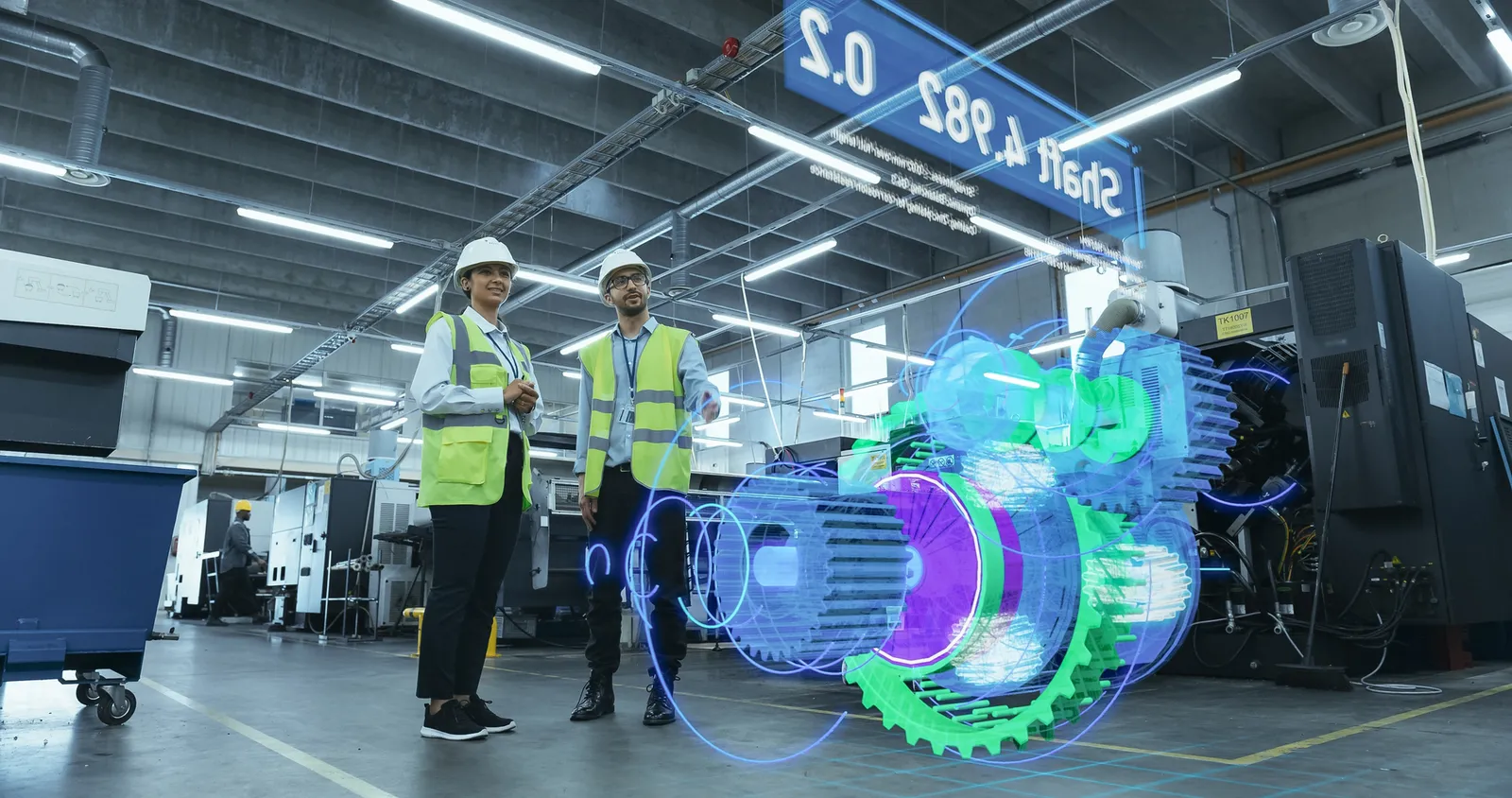
Digital twins, once a buzzword for simulation, are becoming living ecosystems that reflect the entire machining process. Rather than simply visualising tool paths, the digital twin of 2026 will integrate design, process engineering, machining and inspection in a continuously updated model.
Why does this matter? Shorter lead times and complex parts mean manufacturers cannot afford any setup errors. Virtual commissioning, collision detection and kinematic validation will take place well before the first chip is cut. Factories are also beginning to pair digital twins with mixed-reality tools, enabling virtual training and remote assistance. This development improves collaboration between teams and reduces reliance on a dwindling pool of expert operators.
The real power of the digital twin lies in the feedback loop: actual machining data continually improves the accuracy of the simulation, making each production cycle smarter than the last.
The rise of hybrid manufacturing
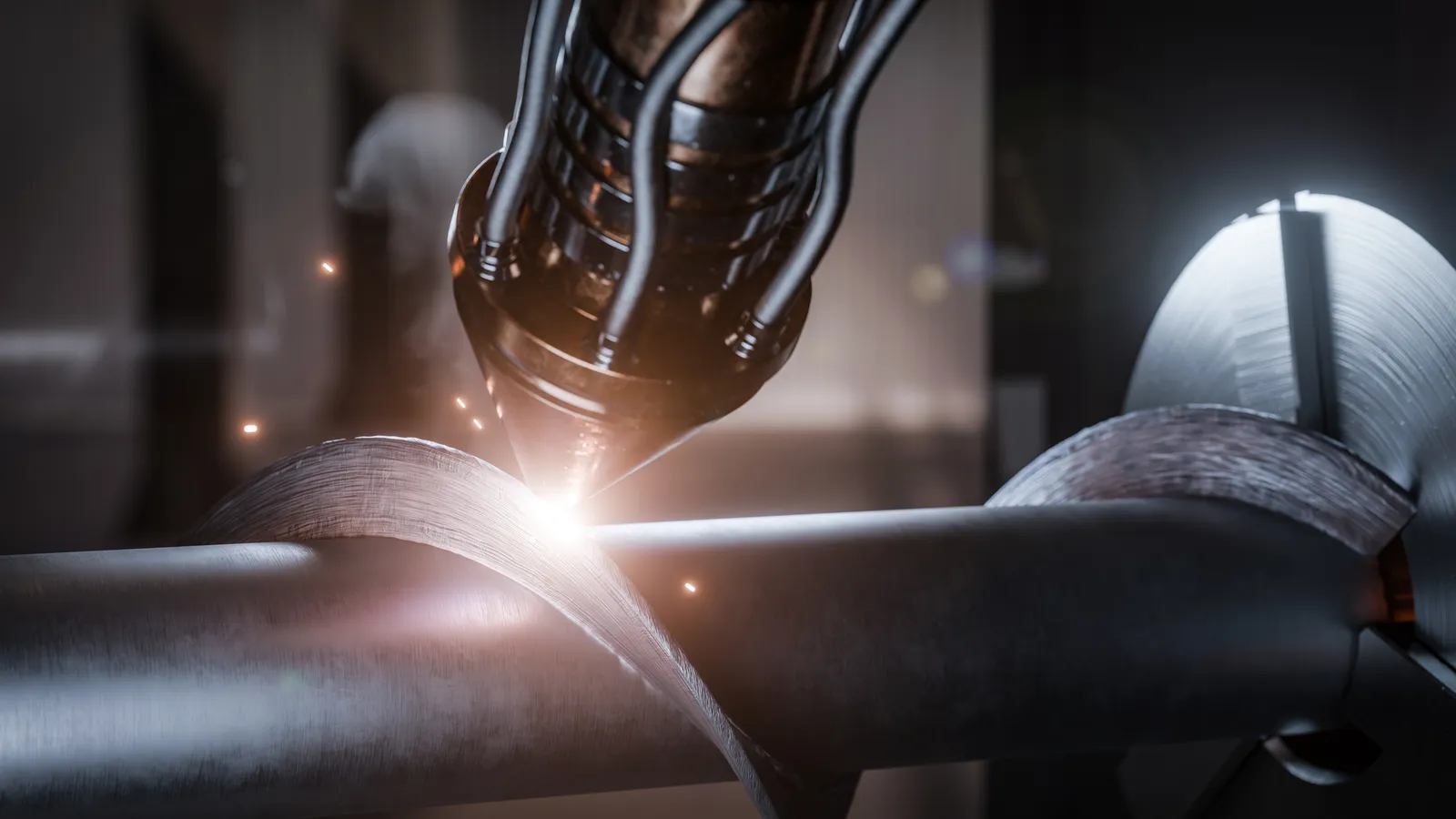
Additive and subtractive processes are rapidly converging. Once seen as a competing technology, hybrid manufacturing, which combines metal deposition and CNC cutting on a single platform, is gaining ground in the aerospace, energy, medical and maintenance sectors.
This development addresses two longstanding challenges:
Material waste: additive manufacturing enables near-net-shape parts to be created, while machining finishes critical features.
Complex geometry: hybrid manufacturing enables the creation of internal channels, lattice structures and conformal cooling channels that cannot be cut using conventional methods.
The result is a more efficient production model, with fewer setups and shorter lead times. For operators, hybrid manufacturing presents new challenges: heat-affected zones, unfamiliar alloys and irregular surfaces. Companies that master hybrid workflows quickly will gain an edge as customers demand lighter, more efficient and custom-made components.
Sustainability becomes a key requirement
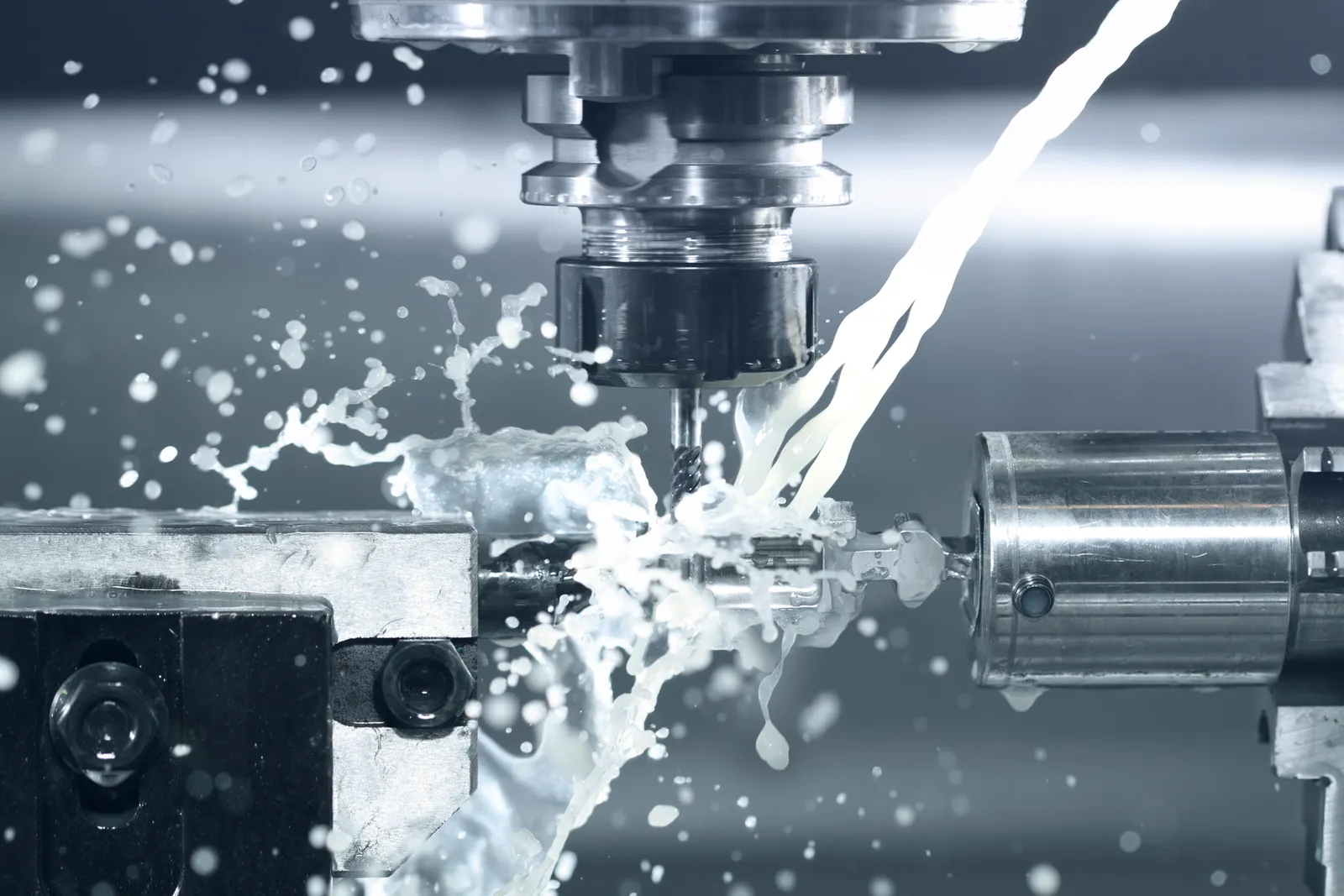
By 2026, sustainability will no longer feature only in corporate reports. It will be built into key performance indicators (KPIs) for machining. Environmental performance is now directly linked to operational efficiency and customer value. Expect to see greater use of minimum quantity lubrication (MQL), dry cutting and coolant recycling systems. Machine tools redesigned to reduce energy consumption in standby mode and recycle materials, particularly titanium and nickel alloys, will become standard.
Customers are increasingly asking for information about the carbon footprint of each component. This is prompting companies to measure energy consumption, coolant volumes and material waste as precisely as dimensional tolerances. Sustainable machining is not only ethical, but also economically advantageous. Optimised tool paths, less post-machining and energy-efficient processes reduce costs and strengthen brand credibility in global supply chains.
Automation and reshoring as catalysts
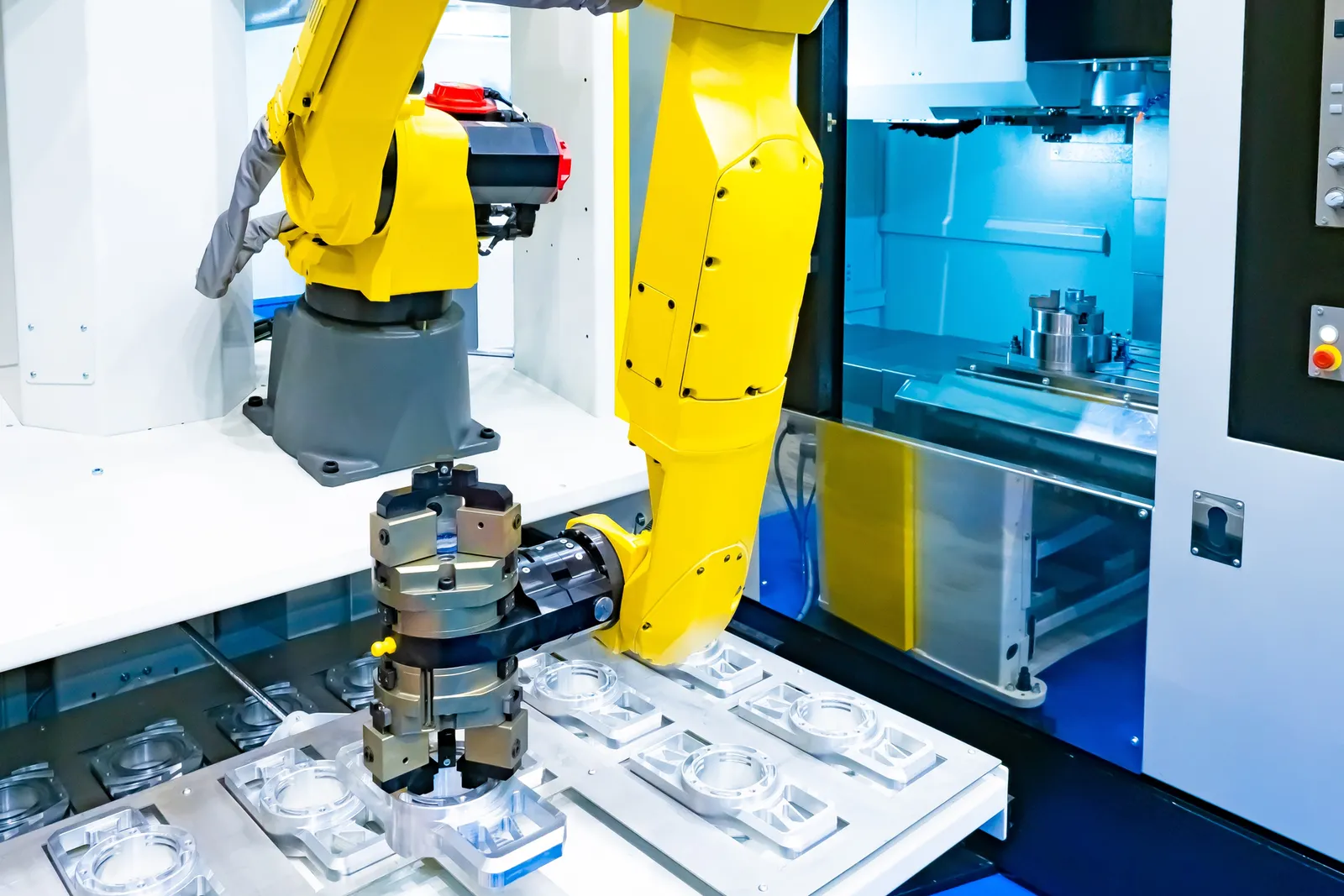
Labour shortages, geopolitical risks and logistics disruptions have accelerated reshoring, bringing production closer to domestic markets. To offset rising labour costs, manufacturers are investing heavily in automation and digital coordination. Robot-tended CNC cells, automated pallet changers and tool presetters with automatic calibration are becoming standard.
The goal is lights-out machining: continuous, unmanned production supported by smart planning and remote monitoring. Data integration is essential to achieving this. Machines, planning systems and inspection equipment must share a common data language so that part quality, utilisation and tool wear can be tracked automatically. This new wave of automation is less about replacing employees than augmenting the skilled workforce, with one technician supervising several machines, interpreting analytics and managing exceptions instead of carrying out repetitive loading tasks.
Conclusion: from machining to intelligence
In 2026, CNC machining will be defined by integration and understanding. The factories that thrive will treat every machine cycle as a data event: recorded, analysed and used to improve the next one. In the years ahead, the companies that succeed will be those that:
- implement connected, AI-ready production workflows;
- use simulation to eliminate guesswork and unplanned downtime;
- invest in sustainable machining, not only to meet standards but also to improve efficiency;
- train teams to think in terms of data loops rather than individual tasks.
Precision manufacturing is entering an era in which digital and physical technologies play a leading role. The line between programming and machining, between planning and production, is blurring. What remains constant is the pursuit of perfection, now powered by data, algorithms and imagination.
Question about this story? Ask your question
Keep following this
Get an email when a new story is published. No account needed.
- ThemePrecision and productive machining
- SubjectMachining