Automated production calls for a new approach to welding fume extraction
Texte : Johan Debaere Photos : Nederman
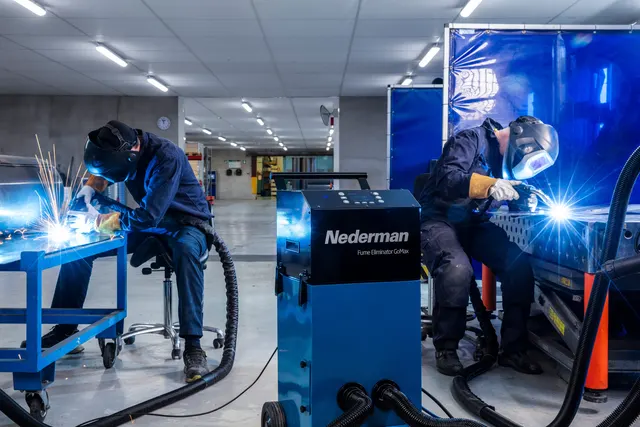
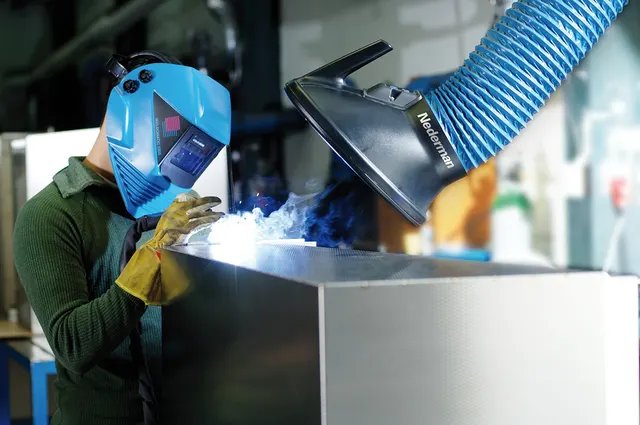
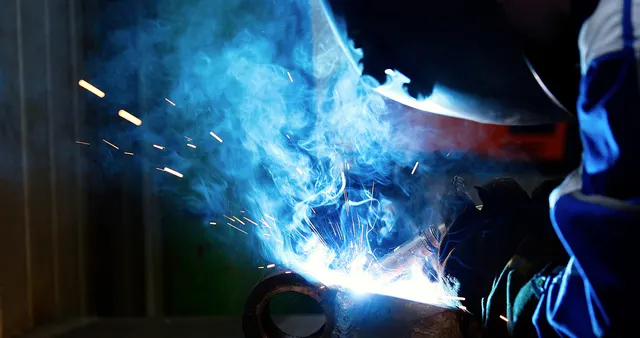
Welding fumes are nothing new, but the way production processes are organised has changed. Production lines are being modernised, processes are becoming increasingly automated, and robots and cobots are playing a growing role. Industrial companies therefore need to rethink how they manage welding fumes and the dust generated by these processes. The first question they often ask is how best to extract welding fumes. General ventilation helps to renew the air, but it is not always enough to remove these fumes effectively and immediately. In many applications, source extraction therefore remains essential.
Every welding application is different. Emissions vary according to the materials being processed, the consumables used and the welding process applied. In a workshop where different applications are carried out side by side, requirements can therefore vary considerably from one workstation to another.
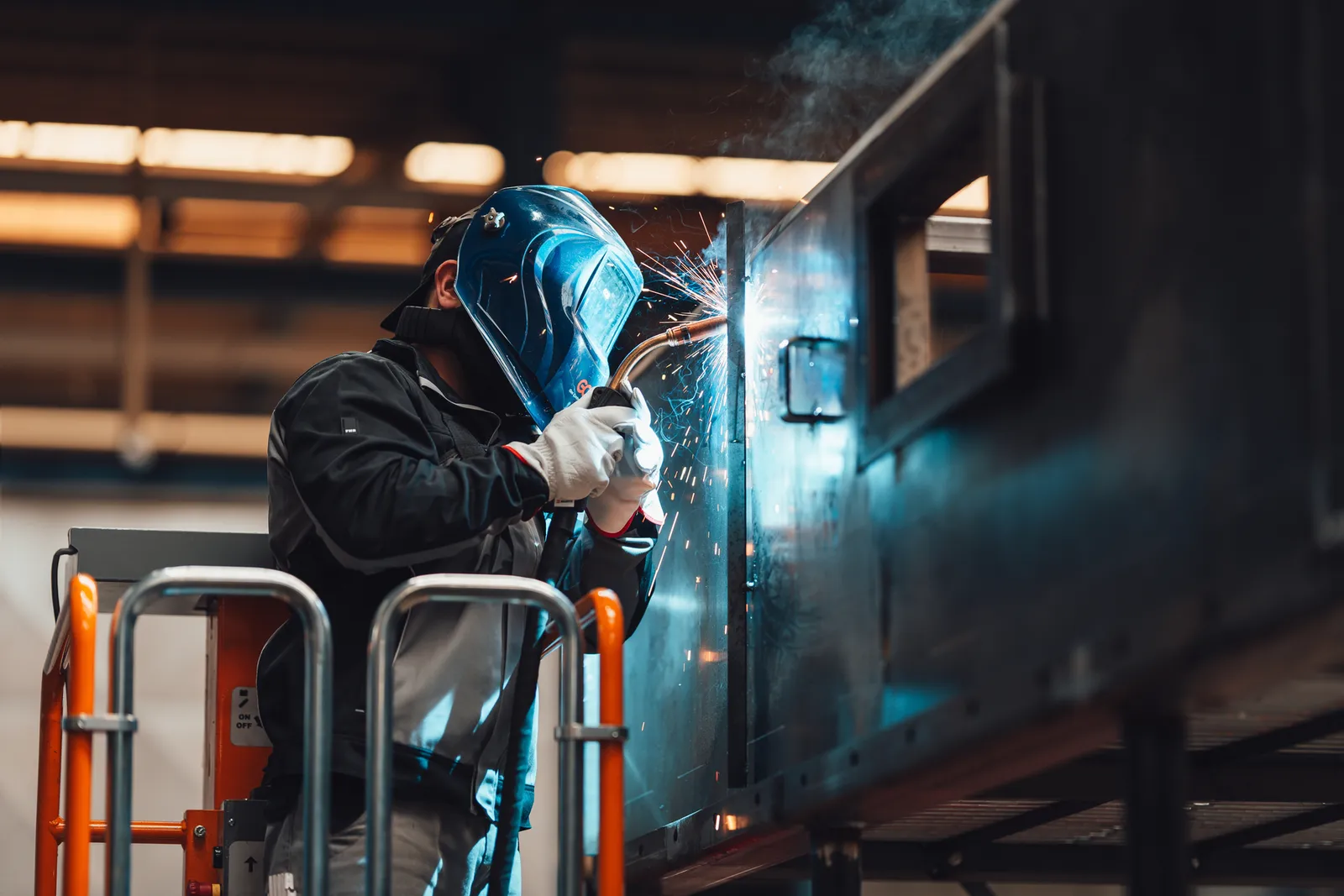
Automation changes extraction requirements
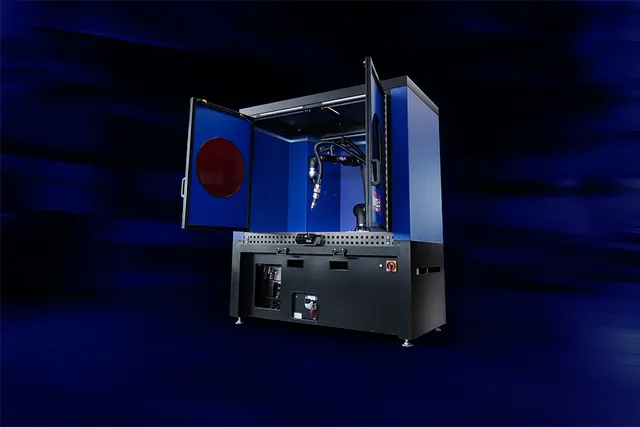
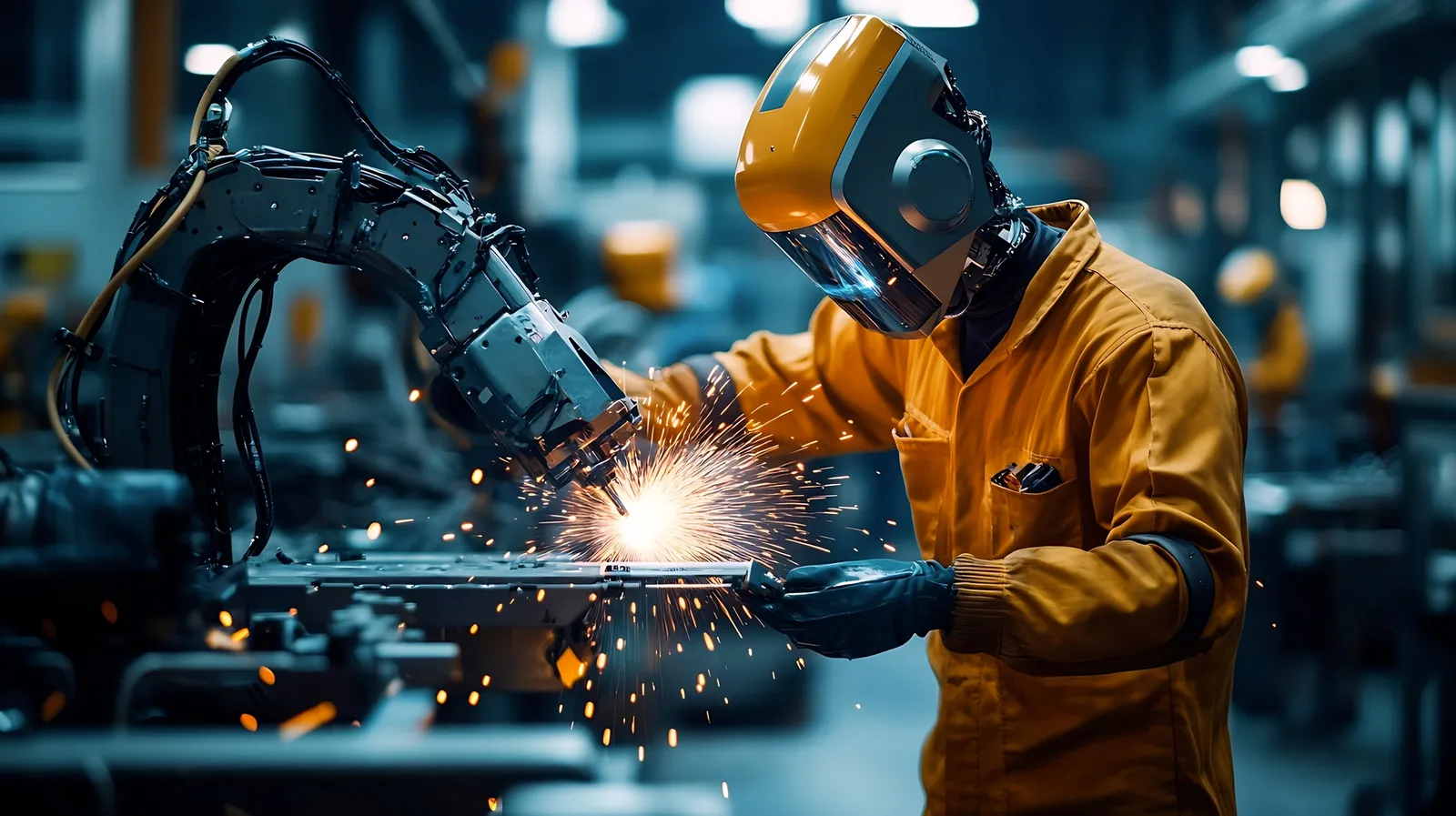
Higher productivity, improved repeatability and the need to address the shortage of skilled labour are three challenges prompting companies to invest in automating their welding processes. Robots are already widespread in some production environments. Cobots, meanwhile, offer greater flexibility and can be used where operators and machines work in close proximity. The choice between a robot and a cobot also has implications for the extraction system.
“When a company replaces a manual welding workstation with a robotic welding cell, the existing extraction system may also need to be adapted. An extraction system designed for an operator at a fixed workstation is not necessarily suitable for automated welding. The robot follows repetitive cycles. Emissions are generated continuously, and the cell may remain active for long periods. The extraction solution must therefore take the robot’s movements and the cell layout into account. With cobots, the priorities may be different, as the equipment can be moved or used for different applications,” explains Gunther Maes, Commercial Director at Nederman. “That is why system flexibility is an important factor to consider. Extraction cannot be viewed in isolation from the production process. We therefore need to consider not only how the workstation operates today, but also how it might evolve in the future.”
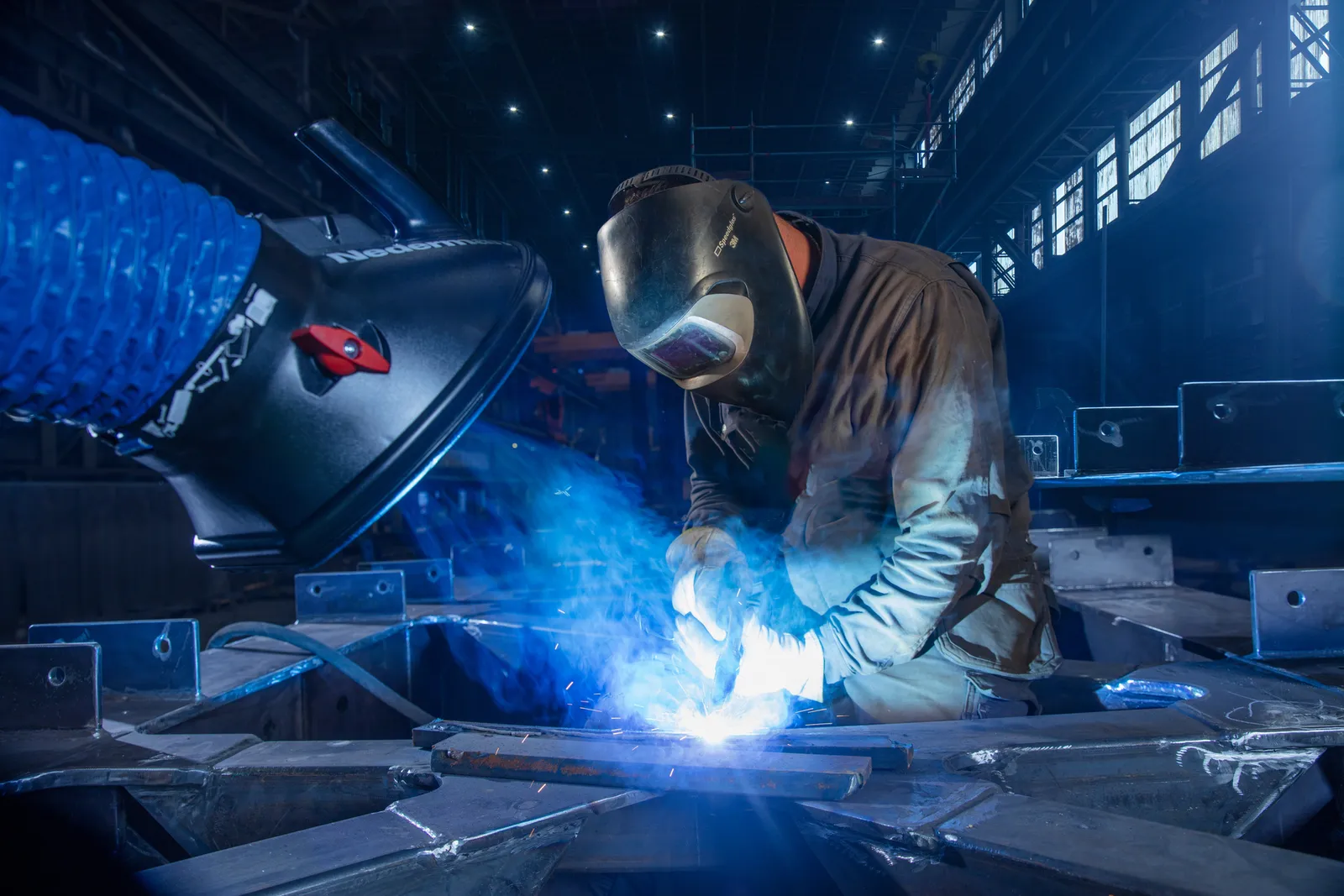
Start with the reality on the shop floor
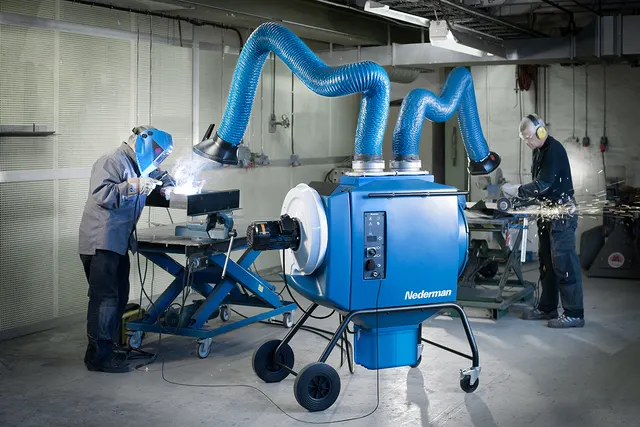
A thorough analysis of the application is essential to select the right equipment. Where do the welding fumes come from? What is the production rate? How does the equipment move? Do several workstations need to be connected to the same system? “This is often the key to a successful installation. The answers to these questions can lead to very different solutions: extraction directly at the workstation, via extraction arms, with systems for robotic applications, or central filtration for several machines. Energy consumption is also playing an increasingly important role in industrial projects. Control technologies now make it possible to match system operation more closely to actual production requirements,” says Gunther Maes. “This is the approach we take when supporting industrial companies at Nederman. The analysis takes account of the welding process, the production environment and possible future changes to the installation. The aim is to provide a solution that meets current needs while also allowing for the future development of the production environment.”
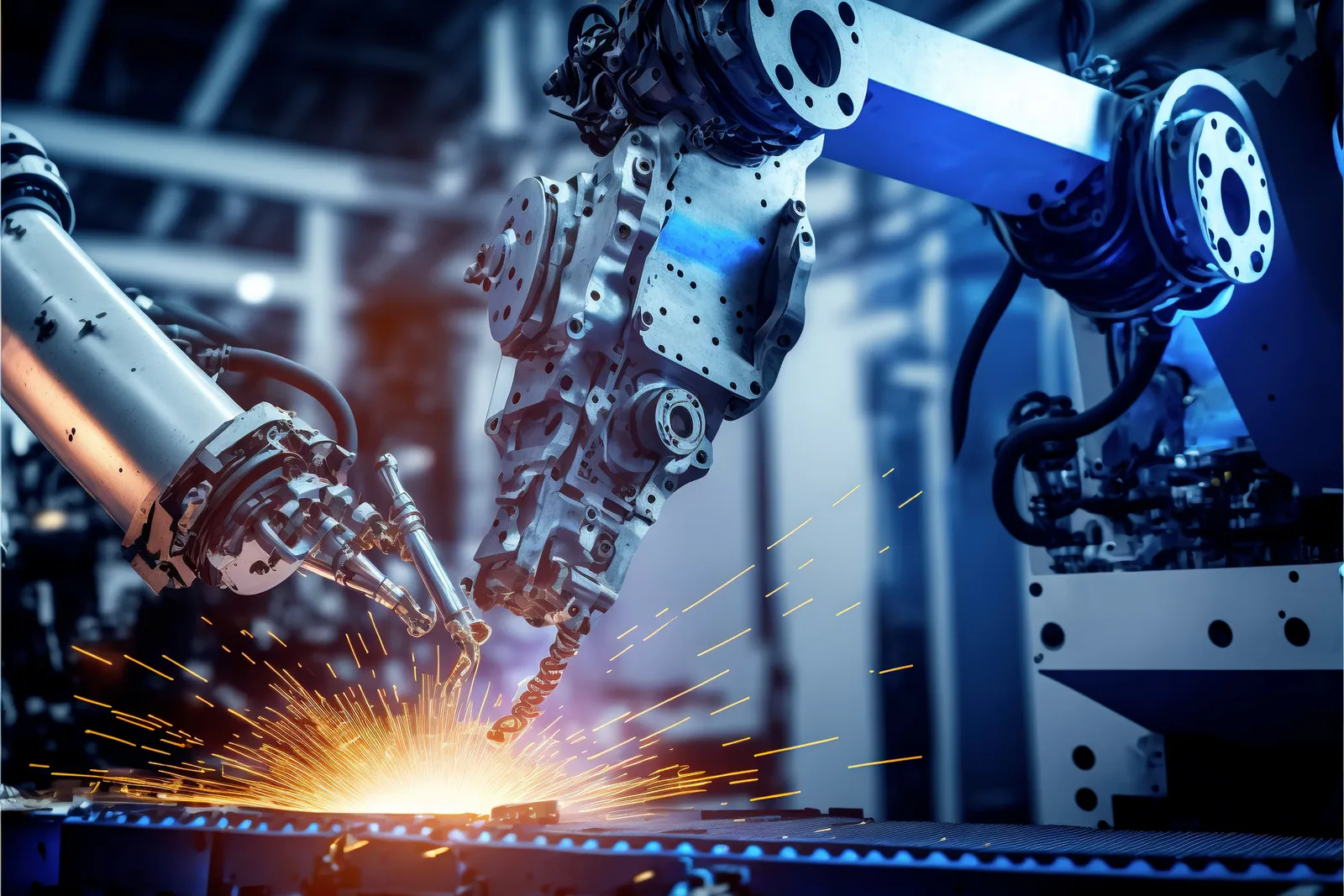
Conclusion
Whether welding is manual, robotic or cobotic, controlling welding fumes and dust should not be considered in isolation. It is an integral part of designing a modern production environment.
A business enquiry for Nederman? Get in touch
Companies in this story
Keep following this
Get an email when a new story is published. No account needed.
- ThemeMetal forming and joining
- SubjectWelding fumes
- CompanyNederman