Will tube-based construction become the new standard?
Texte : Erik Steenkist Photos : BLM Group & Coppens Metaal-techniek
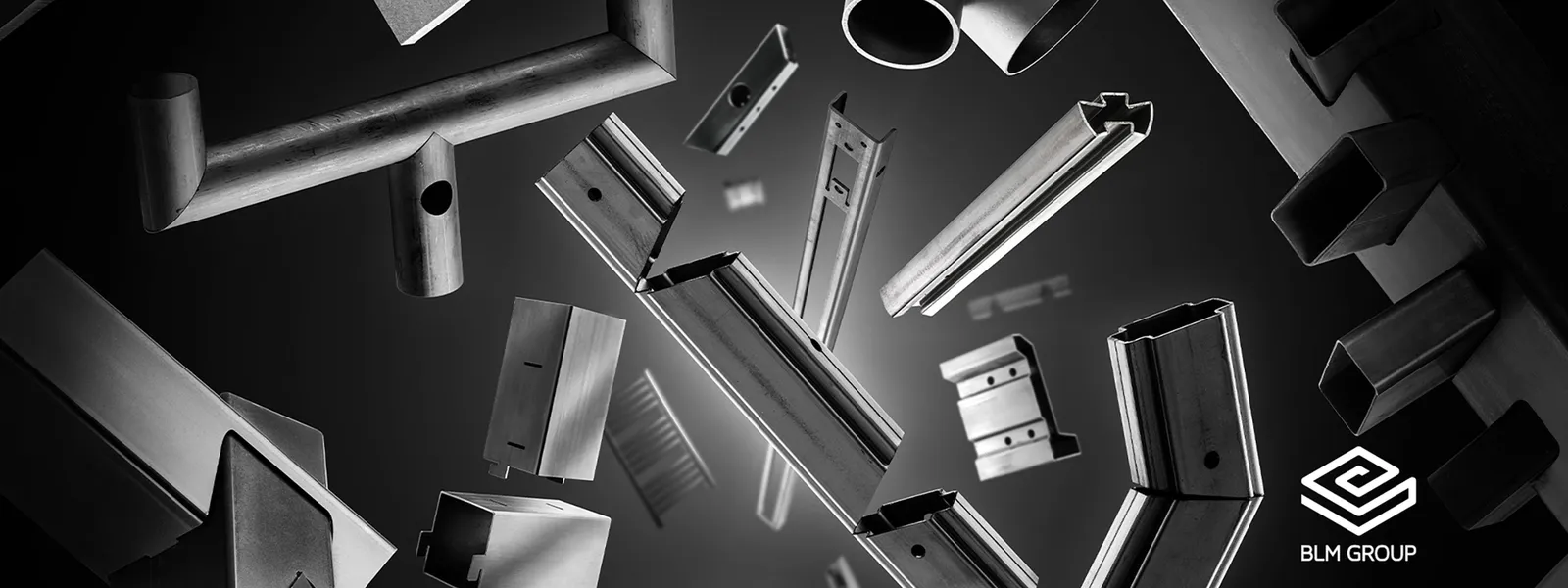
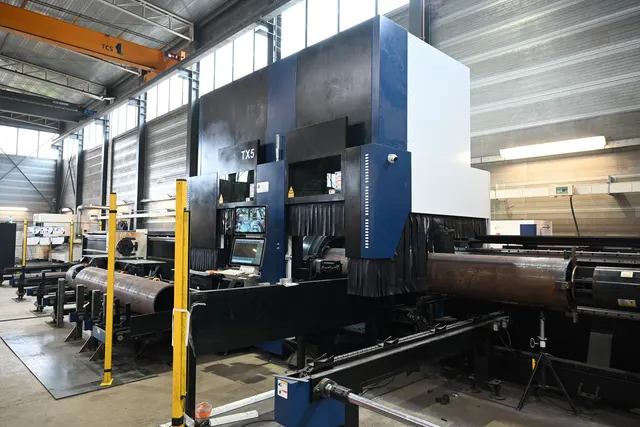
Since the advent of sheet metal lasers, structures have mainly been made from sheet metal. Today, however, they are increasingly made from round and square tubes. This is not only because the technique is more sustainable, makes it possible to build lighter, stronger structures and requires fewer welds, but also because machine and software technology has advanced considerably. Bas Coppens, owner of Coppens Metaal-techniek, has seen this first-hand. Thanks to BLM GROUP’s cutting and bending technology, his company has become a pioneer in tube processing.
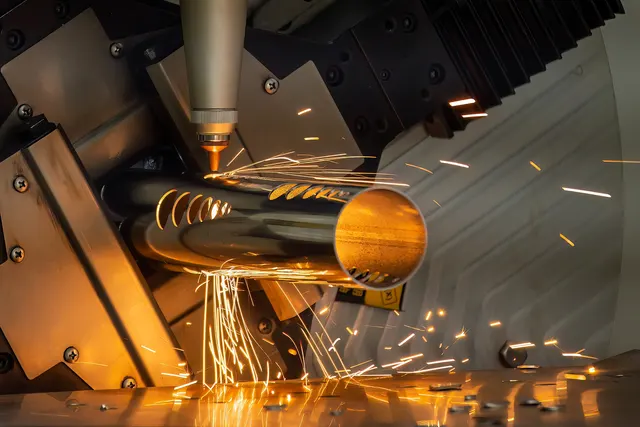
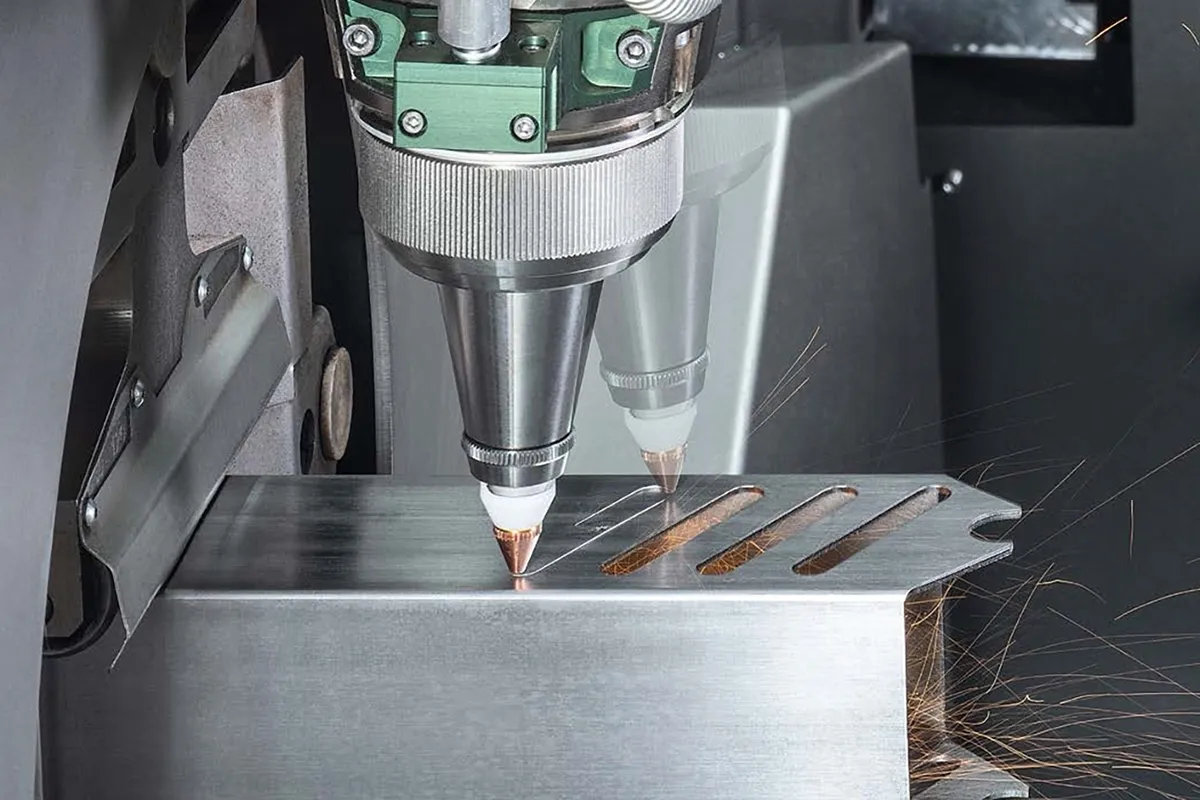
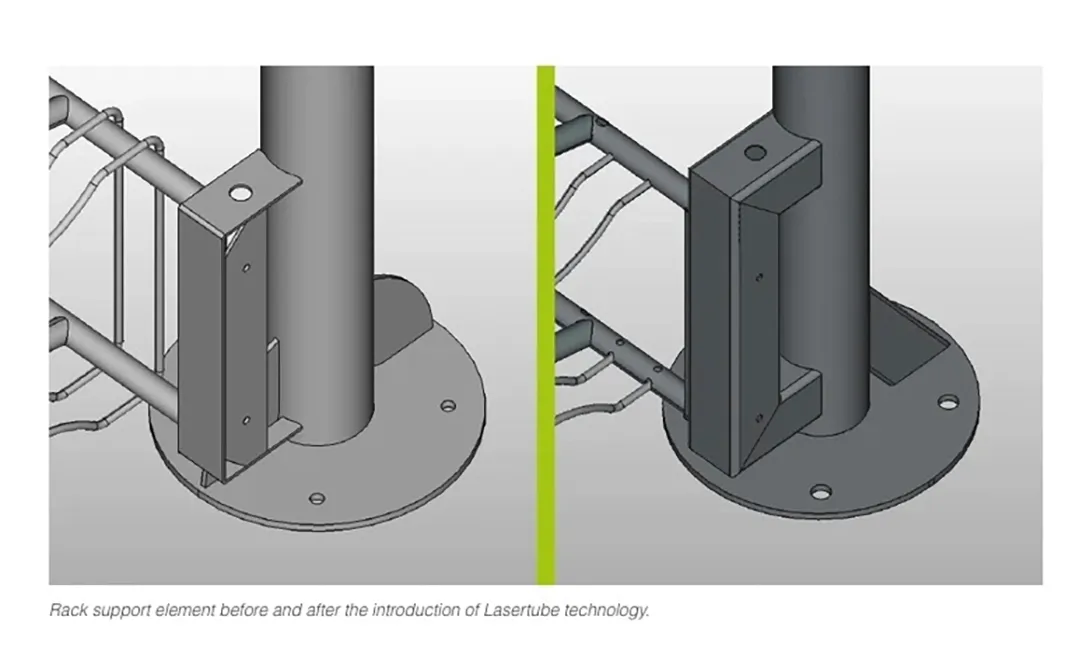
Bas Coppens: “When BLM Adige developed the first tube laser more than thirty years ago, manufacturers discovered for the first time that they could cut joints into tubes in the form of recesses, slots or notches, enabling them to build more intelligently. BLM Adige revolutionised the manufacturing industry with its tube laser cutting technology. Since then, BLM GROUP has significantly advanced this technology and become a leading player in tube processing, in both machinery and software, with its own branch in the Benelux.”
Building lighter
Coppens Metaal-techniek was one of the first to adopt this new technology and apply it to its own products and subcontracting work at an early stage. Bas Coppens: “Tab-and-slot cutting makes it possible to join tubes without additional fasteners or clamping equipment. This saves a considerable amount of time during assembly and installation. More importantly, tubes make it possible to build lighter structures, an important factor in designing lightweight, sustainable structures for a range of applications, from frames to furniture. When you can build lighter, you need less material. That is more sustainable and often stronger too.”
Combining cutting and bending
“Most cut tubes also need to be bent. This presents a few challenges. Will the cut holes remain in the same position after bending, given that the material deforms during the process? Is it also possible to cut holes in a bend? This requires not only expertise, but also the right technology.”
All-in-one technology
The All-in-one technology developed by BLM GROUP ensures optimal coordination between cutting and bending operations. It also makes it possible to position holes correctly from the very first part (first-part-right). Bas Coppens: “All our tube lasers, mandrel benders and 3D laser cutting machine, all made by BLM GROUP, are digitally connected and form a precision ‘All-in-One’ laser cutting and bending platform. Once we know the material properties and how the material behaves, ‘All-in-One’ tells us in advance how long a tube the laser needs to produce for the bending machine. Trial and error is a thing of the past.”
Cutting holes after bending
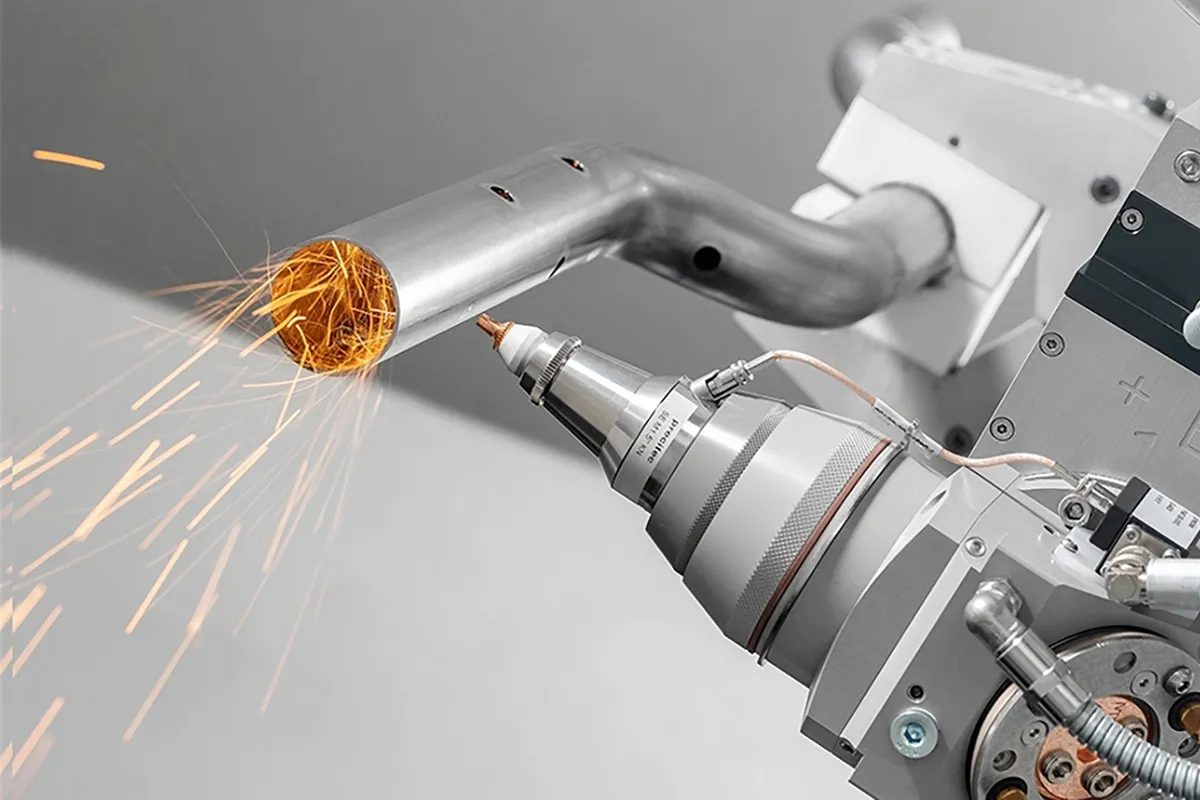
If you cut holes in or near a bend beforehand, the tube will crack at that point during bending. “That is why we cut them after bending, using a 3D laser cutting machine. For this, we use BLM GROUP’s LT FREE 3D laser. This also allows us to add chamfers, countersunk holes and more to round and square tubes after bending.”
Lighter, stiffer and less costly to produce
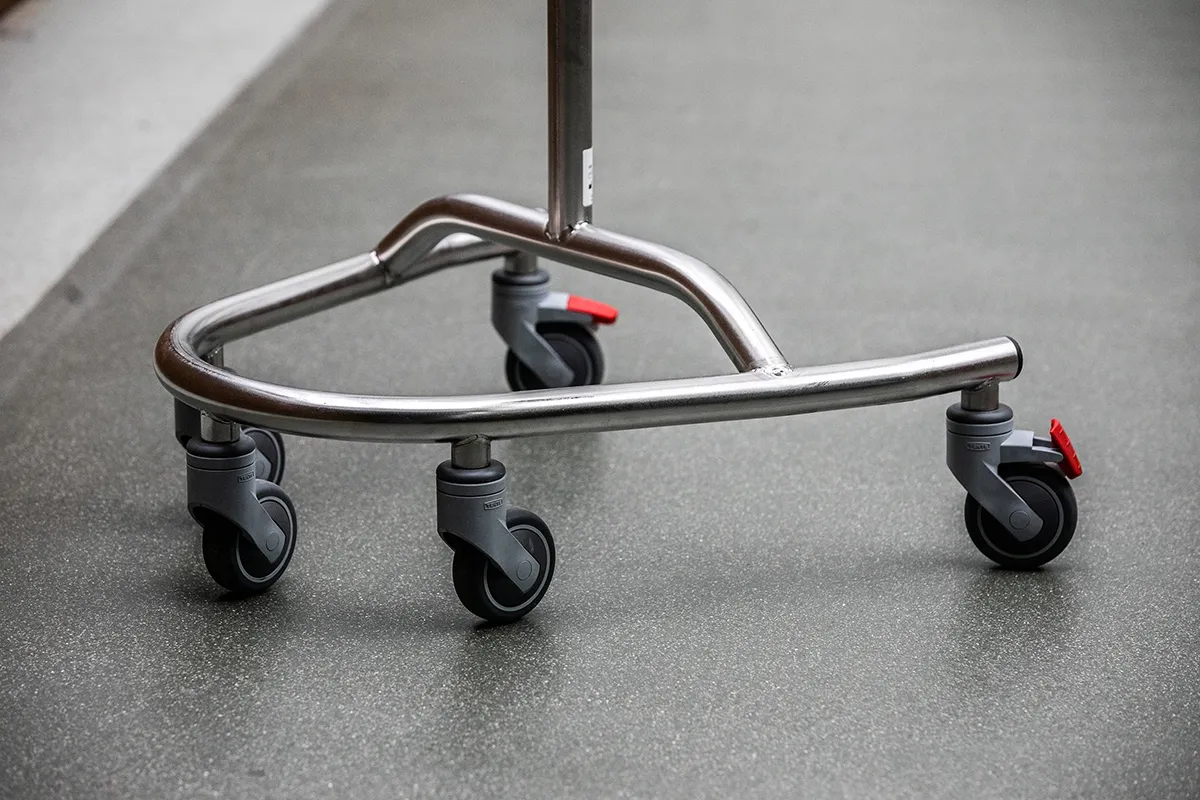
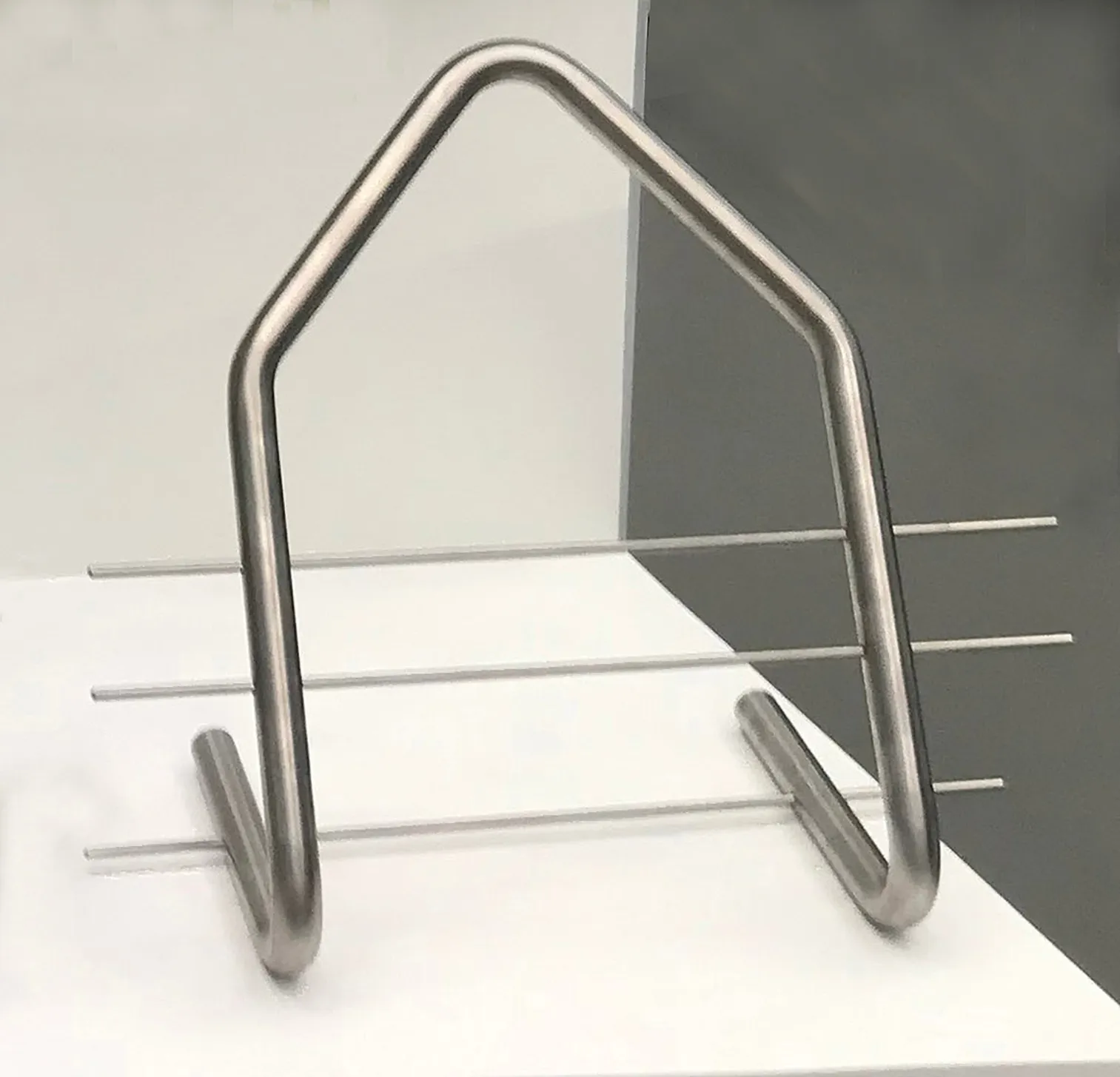
Drawing on its expertise and BLM GROUP technology, Metaal-techniek manufactures products for a wide range of sectors, including the medical and agricultural industries, as well as motorcycle manufacturers. Bas Coppens gives the example of a medical IV stand, which requires a lot of tubing. Combining laser cutting and bending makes the product lightweight, stiff and cost-effective to produce.
The future is tubular
The rise of tube-based construction is not a passing trend, but a clear shift towards more efficient, sustainable and intelligent structures. Thanks to ongoing technological developments, including those by BLM GROUP, tube processing has become an extremely precise production technique that gives designers and manufacturers unprecedented freedom and efficiency. What was once a niche market has now become the new standard in many sectors.
Companies such as Coppens Metaal-techniek demonstrate that combining advanced tube lasers, intelligent bending technology and in-depth materials knowledge leads to structures that are lighter, stiffer and easier to produce.
The question, then, is not whether tube-based construction will become the new standard, but how quickly the market will make the transition. The possibilities are there. The future is tubular!
Question about this story? Ask your question
Keep following this
Get an email when a new story is published. No account needed.
- ThemeSheet metal and tube cutting
- SubjectLaser cutting