Tube lasers: back to basics
Texte : Valérie Couplez Photos : iStock
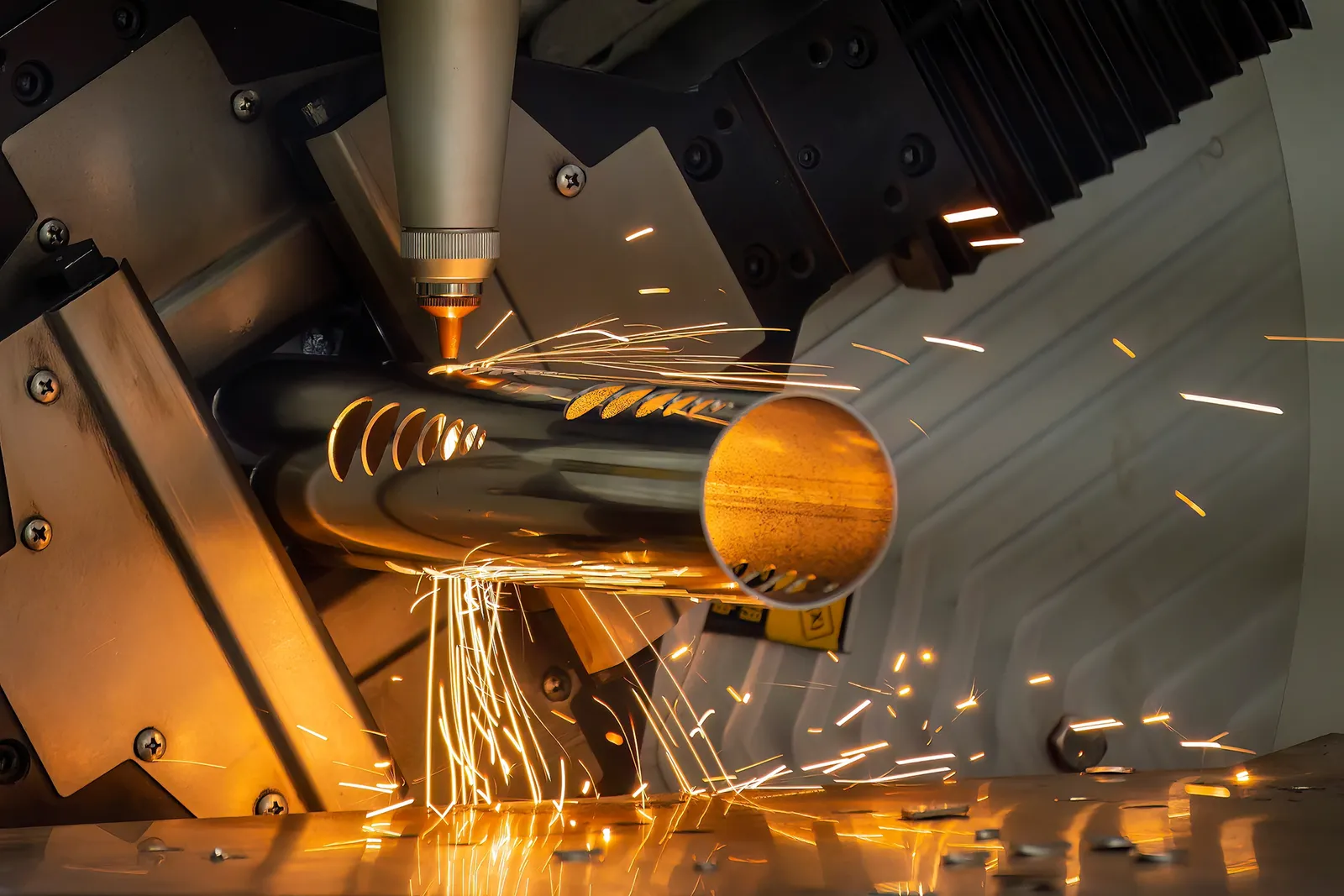
Mastering tube lasers is often the first step towards greater productivity and creativity in design. But how exactly do they work, and what benefits can you gain from them? This article takes you through the basics of tube lasers, focusing on the questions most frequently asked.
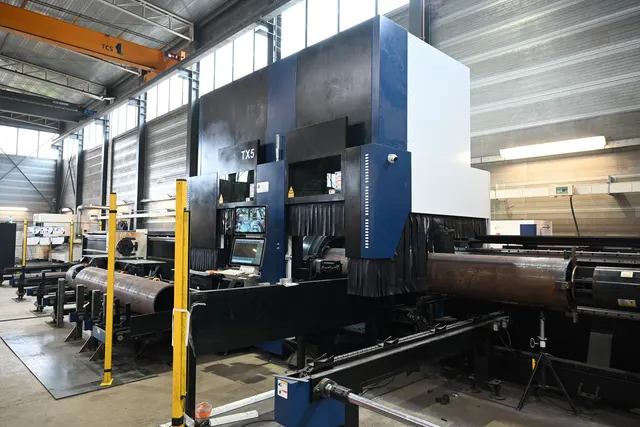
Tube lasers are a relatively new machine in the manufacturing industry. Laser cutting and laser technology for flat sheets and plate have been around for a long time and are used by almost every serious metalworking company. It is only in recent years that laser cutting technology has increasingly been used to cut tubes and profiles. The machine uses a laser beam to cut metal tubes and other extruded shapes into the required parts.
It works by generating a powerful laser beam that is directed at the surface of a metal tube. The laser beam melts, vaporises or burns the material, creating a clean, precise cut. The cutting process is controlled by a computer-controlled motion system that synchronises the laser beam and the movement of the tube to create the desired shape. The system typically includes a laser generator, a resonator that amplifies the laser beam, and a cutting head that integrates the laser beam and the motion system.
What shapes can they cut?
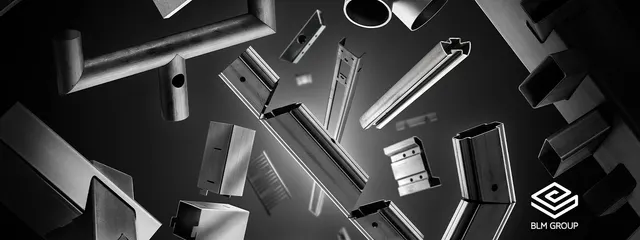
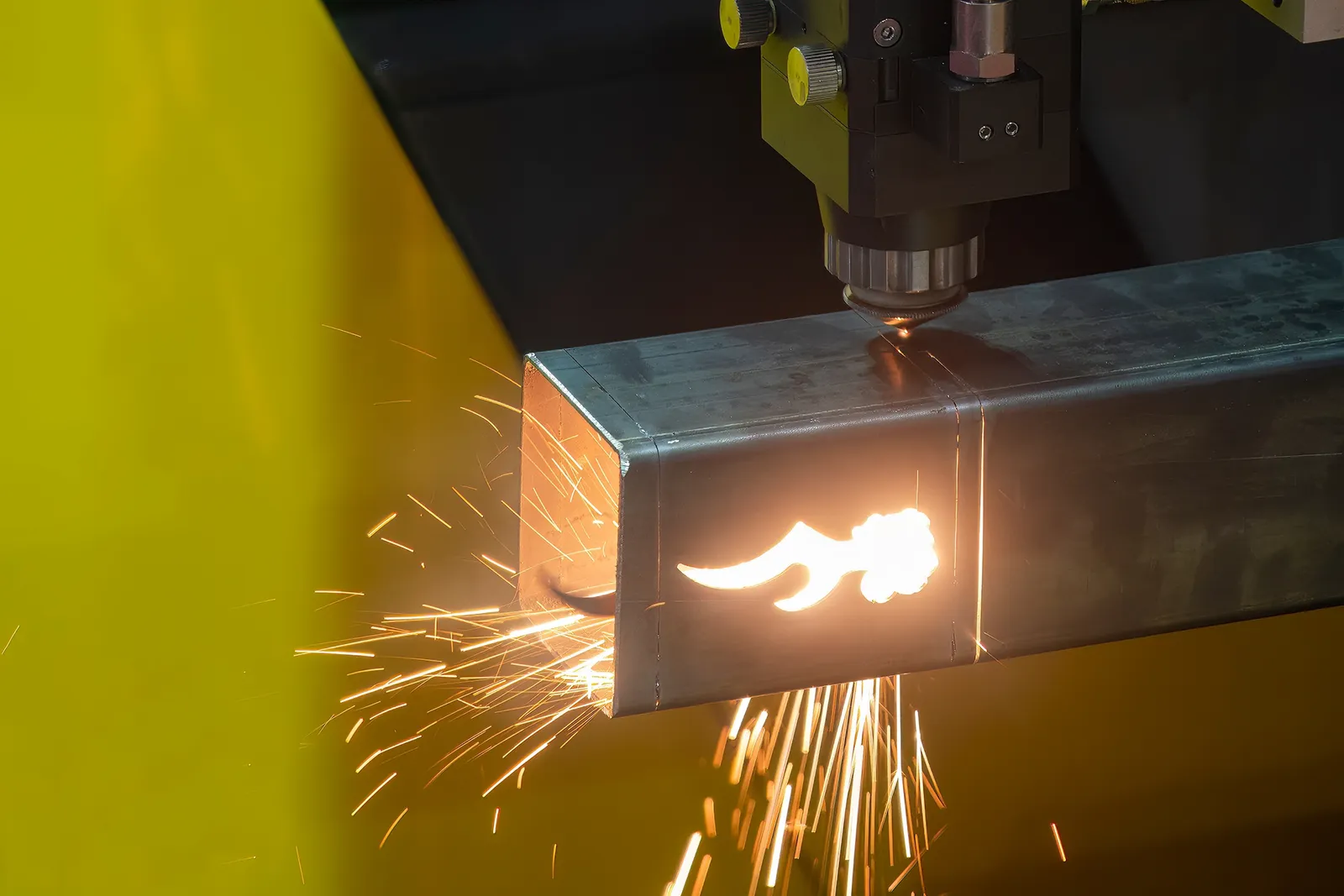
As their name suggests, tube lasers are particularly suited to laser cutting tubes. This includes tubes of all shapes and sizes, including round, square, rectangular and even oval shapes. However, most metalworkers are unaware that tube lasers can also cut many other shapes, including angle sections, U-channels, beams and even custom extrusions.
Which materials can they cut?
Tube lasers work in much the same way as flatbed lasers when it comes to the materials they can cut. CO2 lasers cut conventional metals, including steel, stainless steel, aluminium and galvanised materials. Tube lasers using fibre technology can cut all of the above materials, as well as copper and brass. Reflectivity has always been a problem when cutting with CO2 lasers.
How does a tube laser differ from a flatbed laser?
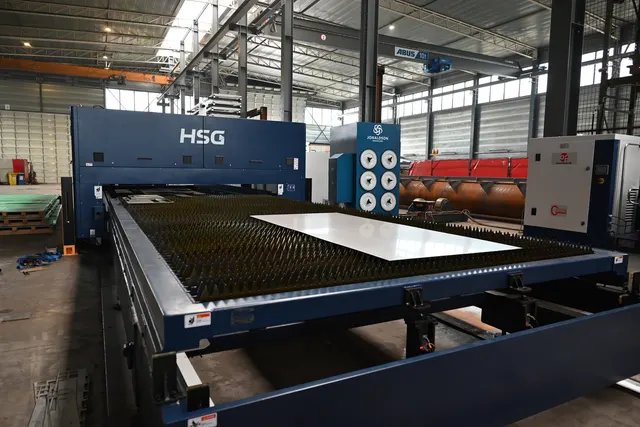
Some flatbed lasers have an additional feature that allows them to process small tubular shapes. This type of machine often takes quite a long time to set up when switching from flat sheets to tubular shapes. What is more, almost all these machines are limited to cutting in two dimensions. Tube lasers, on the other hand, are specifically designed to cut long parts. Some models can even accept bundles of tubes and load them one length at a time. Their major advantage is efficiency. Manual loading, as with a flatbed laser, is no longer necessary.
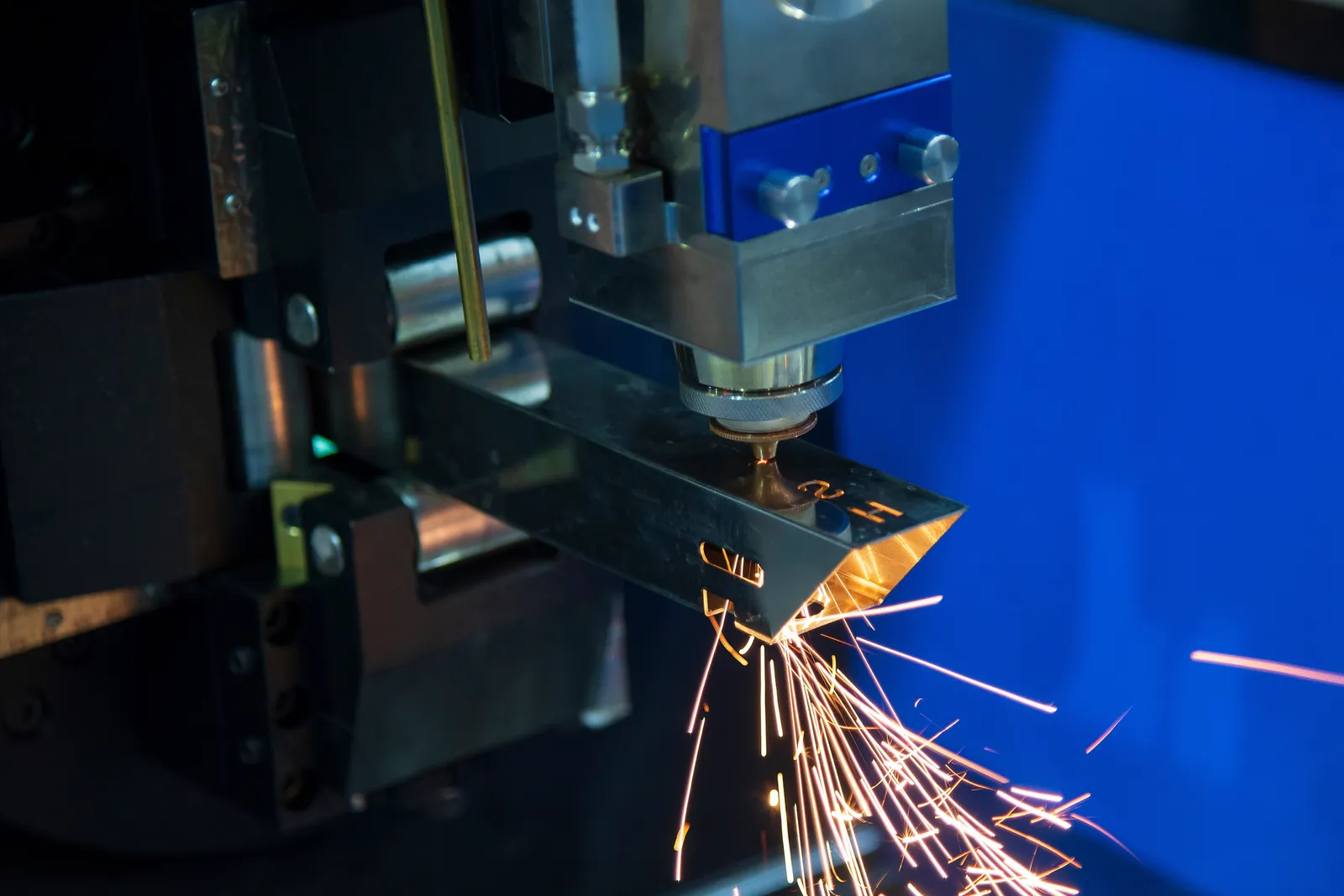
Another key difference is the size of the parts that can be cut. Flatbed lasers can only cut tubes up to the length of the laser bed, usually a little under three metres. Tube lasers, by contrast, can generally cut tubes or angles up to six metres long, and in many cases even longer. Finally, almost all tube lasers can cut on four to five axes. This allows them to cut unusual shapes and dimensions, such as angle sections, U-channels or beams. Tube lasers can also bevel parts, leaving them ready for welding. Flatbed lasers require a special cutting head for this.
What cutting tolerances do tube lasers achieve?
Tubes, angle sections and U-channels all vary more than sheet metal or flat plate. This can nevertheless pose some challenges when laser-cutting tubes to very tight tolerances.
Most machines can generally achieve a tolerance of +/- 0.010. Tube laser cutting machines often use probe technology to measure the tube before cutting. This technology ensures highly accurate parts, but slows down the cutting process. All things considered, 0.010 is still a very tight tolerance, especially compared with traditional methods such as sawing and drilling.
What makes laser tube cutting so challenging?
In addition to twists or bends in structural sections, tube lasers can struggle with variations in edge radii. Some manufacturers roll tubes with an edge radius of 0.125 millimetres, while others use a radius of 0.187 millimetres. This small difference becomes a major problem when the programmer tries to make a detailed cut around the tube. This can often be resolved by ordering batches of tube in specific sizes from the same manufacturers to ensure consistency. Another issue is that formed materials are often less clean than conventional sheet metal. Rust, dirt, dust and paint on the material can make laser cutting more difficult or, at the very least, slow it down. Metal suppliers are working to address this issue because they know how important clean formed materials are for laser tube cutting.
How are tube lasers changing the world of production?
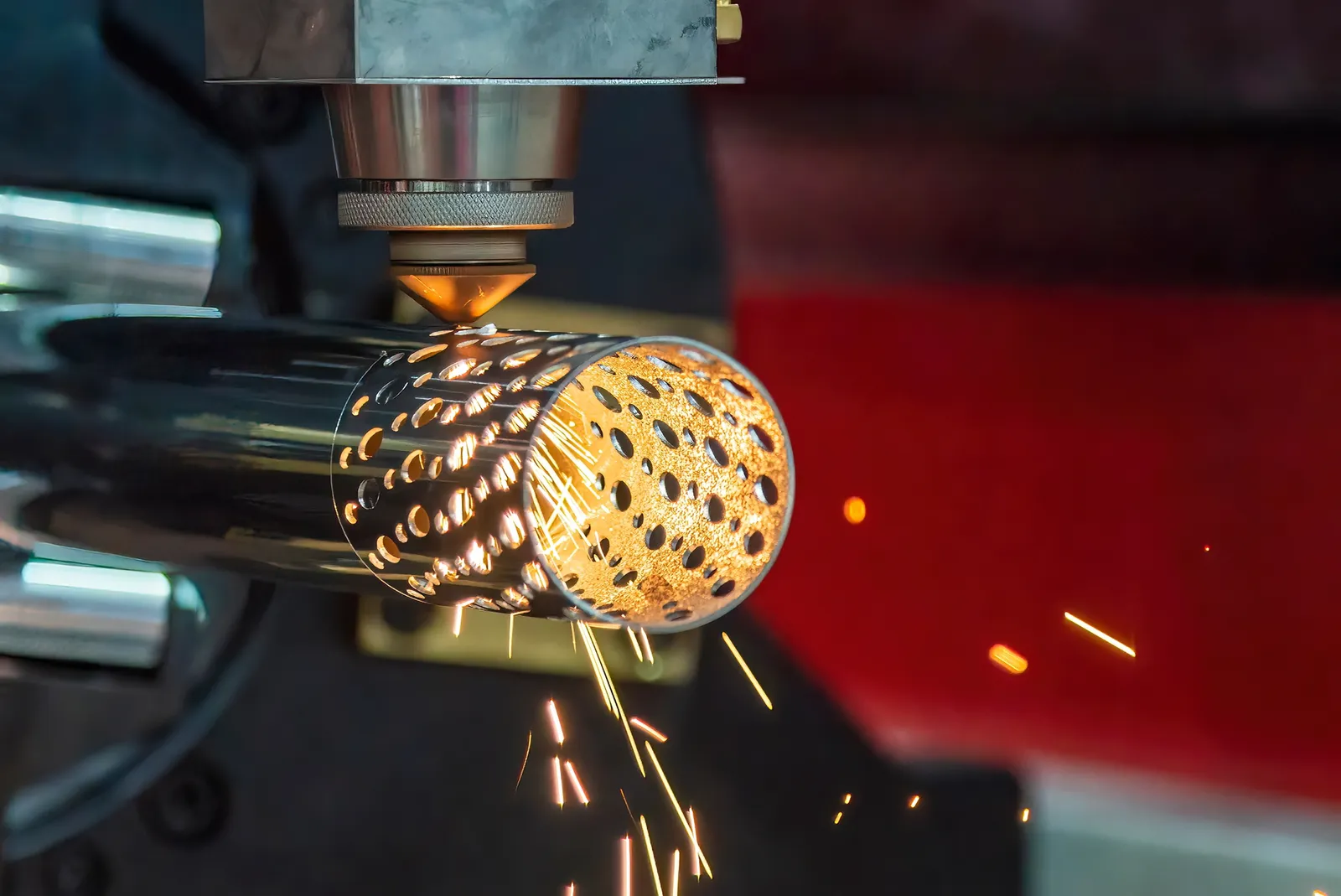
More and more engineers are becoming aware of the possibilities offered by laser tube cutting. Shapes and dimensions that were previously costly, or even impossible, to produce are now achievable and much easier to make. Cutting slots in tubes, for example, is child's play with a tube laser. However, the impact on downstream production is more important than the technology itself. Traditional processes for cutting tubes and sections generally use a saw. Moving, measuring and setting up the saw to cut parts at 45-degree angles takes a long time and is usually quite imprecise.
When parts are sawn imprecisely, this creates problems for welders further down the process. Having to do more welding on one edge than the other means the frame is no longer square. Experienced welders have learnt to deal with these variations, but it all takes time, time and time again. Tube laser cutting is so precise that there are no inconsistent gaps or rough joints. The result is that parts can be cut and welded much more quickly. It should be noted, however, that modern sawing technology has eliminated many of these drawbacks. But the more complex the part, the more relevant tube cutting can be.
Question about this story? Ask your question
Keep following this
Get an email when a new story is published. No account needed.
- ThemeSheet metal and tube cutting
- SubjectLaser cutting