The importance of deburring
Texte : Valérie Couplez Photos : iStock
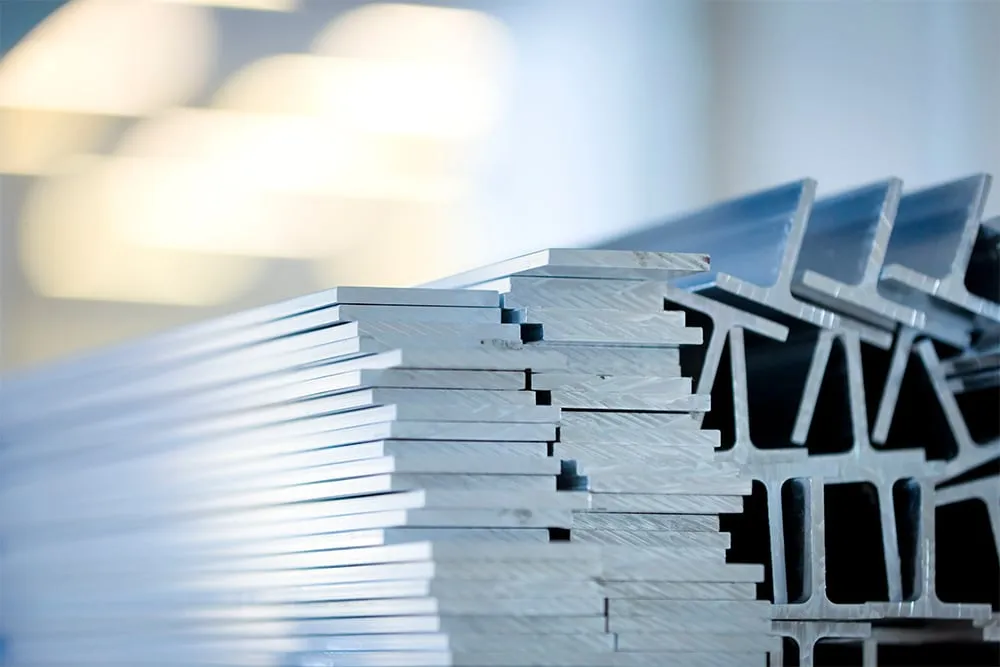
Whatever industry you are subcontracting for, it is important to deliver precise products. When it comes to metal parts, you need to be able to rely on your machine tools to produce consistently high-quality products that satisfy customers. Sharp edges on your metal parts can prevent the product from working properly at the customer’s site, damage machinery and even injure anyone handling the parts. Deburring helps you avoid these problems and ensure that your products continue to perform as intended. In this article, we look at why deburring matters and how it can save time and money.
Deburring is a crucial process in metal and steel manufacturing. Burrs can form during machining processes such as bending, welding, casting, stamping or shearing. Think of them as splinters in a piece of wood. Burrs are raised, sharp or jagged pieces of material on a workpiece that affect its quality, service life and performance. They can impair the proper functioning of parts by affecting their ability to withstand pressure, stress or deformation. Deburring removes these burrs and imperfections to produce a more attractive and safer product. It reduces friction between parts and machinery, improves their appearance and longevity, and makes them easier for operators to handle.
The benefits of deburring
Deburring your parts and equipment improves overall safety at your company, particularly for your employees, operators and customers. From manufacturing to transport and assembly, removing burrs reduces the risk of cuts. Deburring also helps prevent damage to other machinery and tools. When your materials and parts are deburred before moving on to the next stage of production, there are no sharp edges that could catch on other machine parts. Deburring also makes machinery and tools much less susceptible to wear and protects them from burrs for longer. As a result, products look better, and paint and other coatings adhere more effectively to the surface. In other words, you get a higher-quality finish.
What happens if you do not remove burrs?
Burrs can cause injuries and lead to potential liability. They also make the machining process more difficult and less reliable. Burrs can prevent your workpiece from staying in the right position when clamped or result in inaccurate measurements. If you leave burrs in place, they can also prevent thread gauges and dowel pins from fitting properly, leading to rejected parts and failures with other materials. Even if a part with burrs fits correctly, it may be defective or perform inconsistently. Anything that rubs against burrs on the edge of a part can be cut or damaged over time without the user’s knowledge.
Why use mechanical deburring?
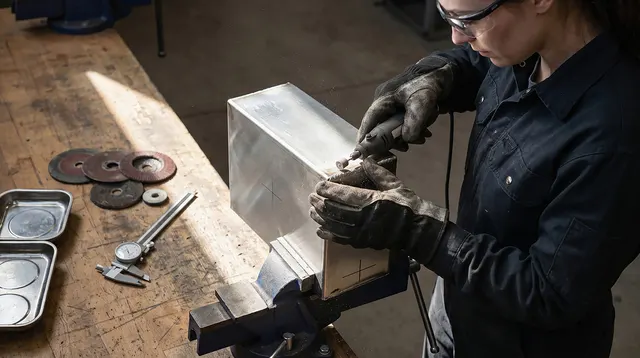
There is no doubt that deburring is an effective way to keep your metal parts smooth. However, operators can use many different methods to remove these rough edges. Manual methods require a great deal of physical labour. Finishing parts takes longer, which can slow down production. Automated deburring speeds up the process and delivers consistent, reliable and precise results every time. It increases speed, process control and efficiency, making it easier to maintain safety and remove sharp edges that could cause injuries. Using automated machines for deburring also improves the fit and finish of your parts in less time than manual processes.
Question about this story? Ask your question
Keep following this
Get an email when a new story is published. No account needed.
- ThemeSurface quality control
- SubjectSurface treatment