Key factors influencing the machining process
Texte : Samuel Milton, Sirris Photos : iStock et Sirris
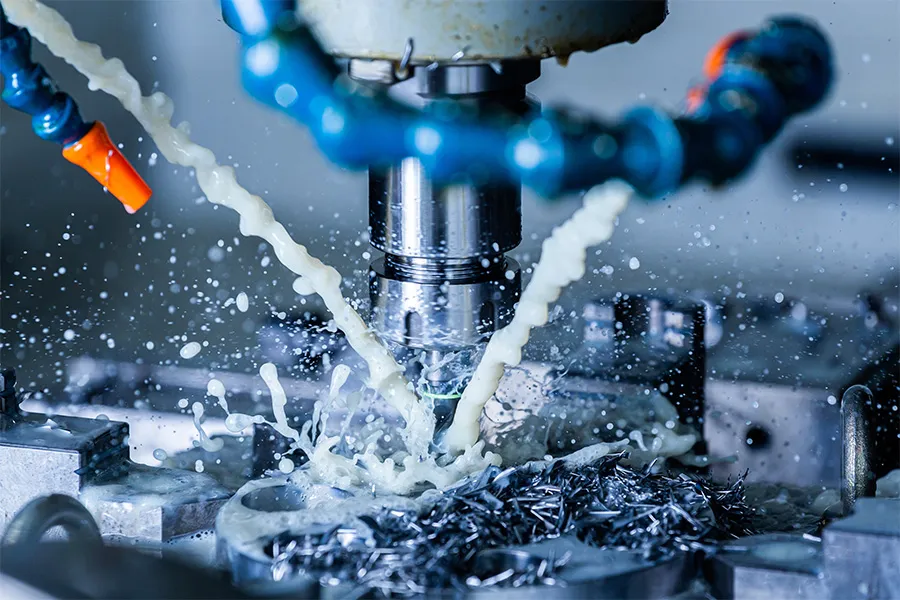
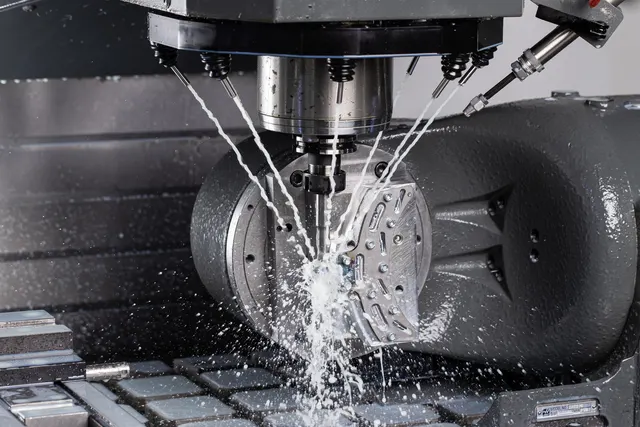
Machining is the most common way of producing a component or part by removing excess material from a block of material. Part quality depends on process stability. The stability and accuracy of the milling process are influenced by several factors. In this article on machining dynamics, we focus on these factors.
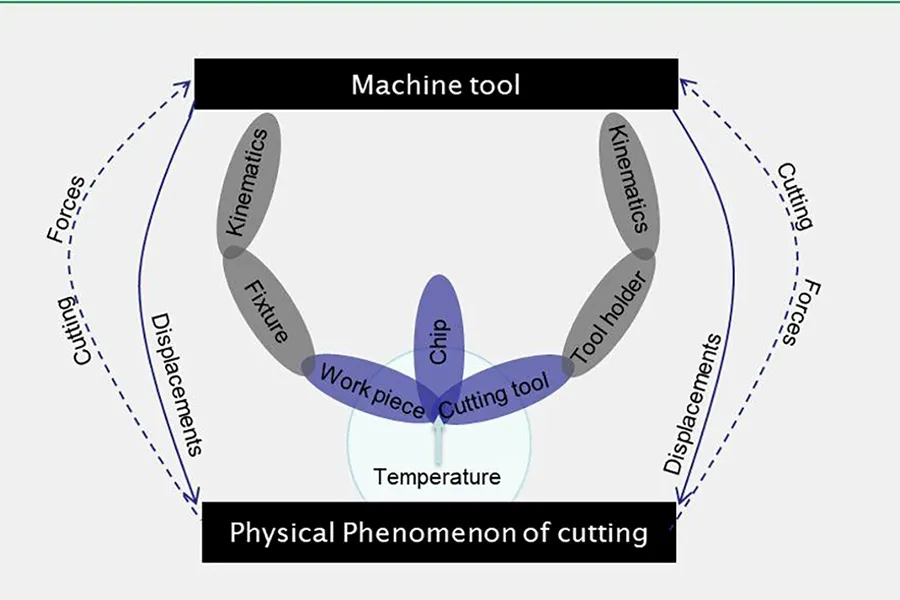
Mechanical components requiring accuracy to within a few microns are increasingly in demand across various industries, including aerospace, electronics, optics and communications. Although several high-precision machines are now available on the market, a thorough understanding of the complex relationship between the machine, process, tool and material is essential to implementing high-precision manufacturing. This understanding is also fundamental to maintaining control over surface quality and tackling the geometric complexity of these components. The figure below shows the factors that influence machining process dynamics.
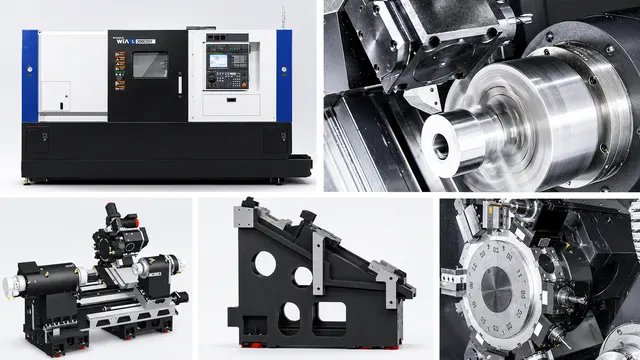
Machine rigidity and kinematics
The rigidity and stability of the milling machine affect its ability to make precise movements during milling. A machine that is not rigid enough may experience unwanted vibration, resulting in inaccurate cuts and reduced accuracy. Stability is also influenced by the machine tool’s kinematics, including how spindle movements are made. For example, a fixed spindle axis may be more stable than a two-axis spindle.
Cutting tools
The quality and condition of the cutting tools used in the milling process also play an important role in determining stability and accuracy. Worn or damaged tools can cause variations in cutting forces, resulting in a poor surface finish and poor dimensional accuracy.
Cutting parameters
Cutting speed, feed rate and depth of cut are important parameters that affect milling stability and accuracy. High cutting speeds and feed rates can lead to excessive tool wear, while low cutting speeds and feed rates can result in a poor surface finish and longer machining times.
Workpiece material
The type of material being machined also affects milling stability and accuracy. Some materials, such as hardened steel or titanium, are more difficult to machine and require higher cutting forces and greater machine stability to achieve the desired accuracy.
Workpiece clamping and fixturing
Correctly securing the workpiece on the milling machine is essential for maintaining stability and accuracy during machining. Poorly designed or incorrectly installed fixtures can cause the workpiece to move or vibrate during milling, resulting in inaccurate cutting and reduced accuracy.
Ensuring quality
Achieving stability and accuracy in milling requires careful consideration of all these factors and how they interact. Skilled operators and thorough planning can help ensure the highest levels of accuracy and quality in milling. ■
Online platform “Model-Based Machining”
On the “Model-Based Machining” online platform, you can simulate all the cutting forces in your processes. You can also access models, such as an economic milling model, and use them to optimise your machining processes. Access to the platform is free, but you need to register. You will also find guidance on how to use the models. Be sure to check the Sirris calendar, as in-person and online events, such as webinars and workshops, will be organised. The online platform is part of the COOCK project “Model-Based Machining”, launched with support from VLAIO.
Question about this story? Ask your question
Keep following this
Get an email when a new story is published. No account needed.
- ThemePrecision and productive machining
- SubjectMachining