What does 2025 have in store for machining?
Texte : Valérie Couplez Photos : iStock
What trends will shape machining in 2025? We’re delighted to explore them for you, but we can already say that, in general, workshops embracing digital transformation, with advanced automation, IoT-enabled equipment and AI expertise, will be better placed to improve efficiency and remain competitive. Here are five trends to watch this year.
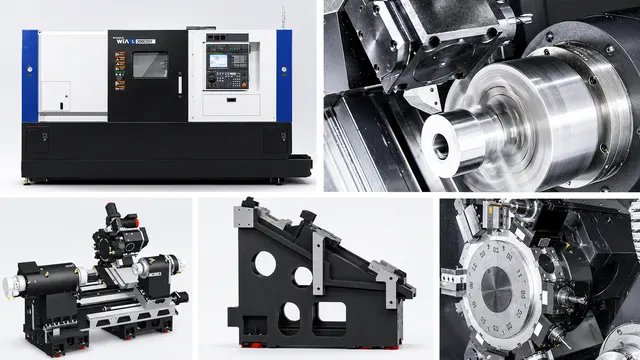
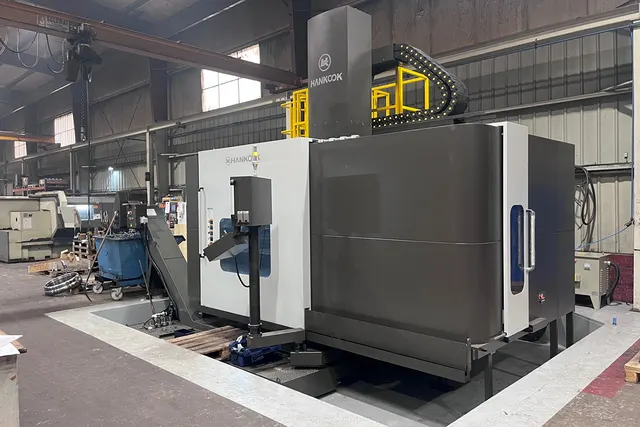
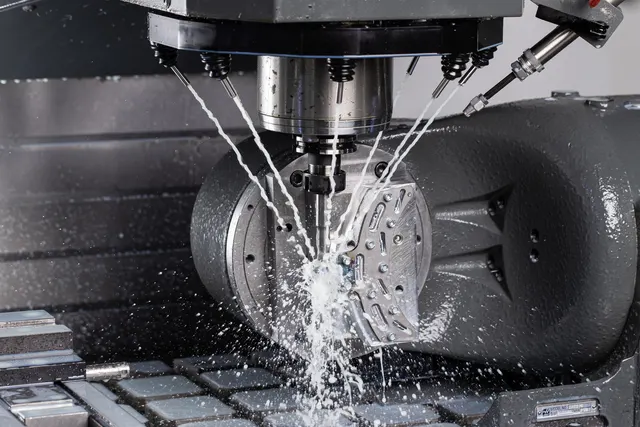
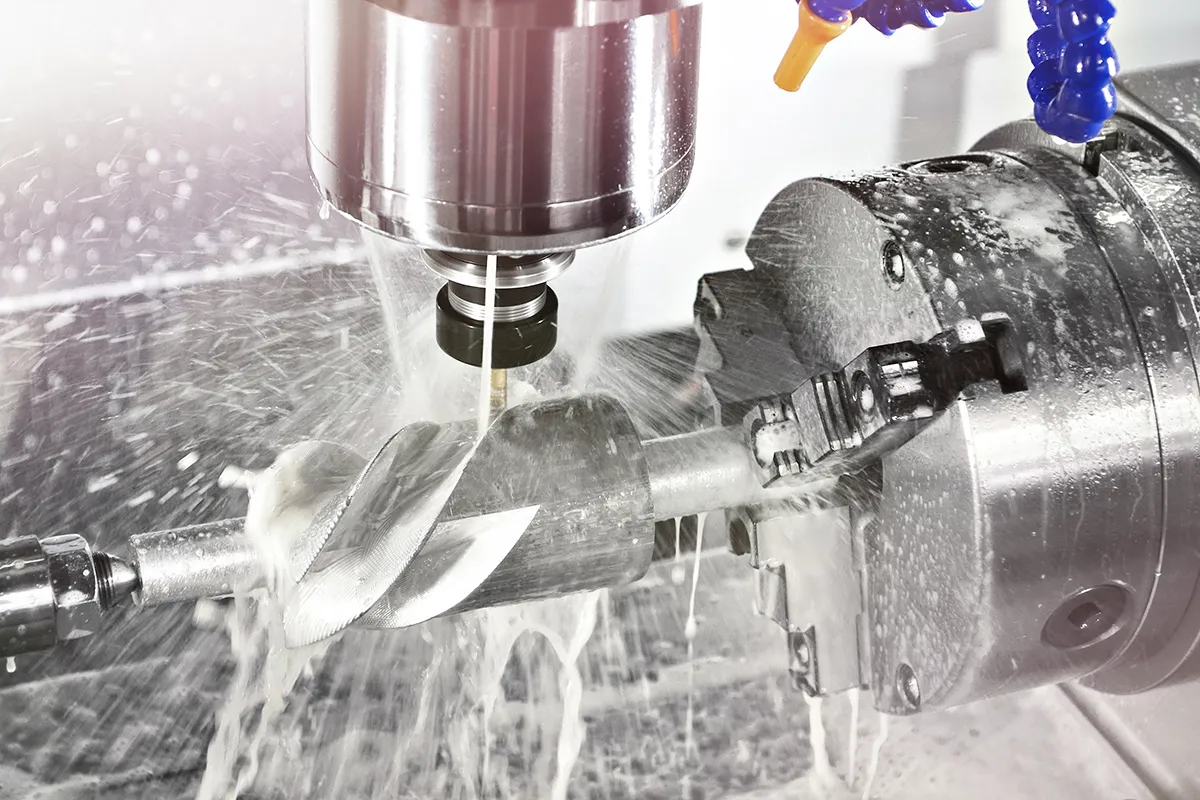
First, we’ll see the emergence of more complex machines that do more with less. From five-axis lathes to sophisticated milling machines, manufacturers are increasingly using complex machines to streamline workflows and reduce set-up times. This avoids the need to move between machines, saves floor space and speeds up production. However, implementing advanced machines is not without its challenges. Their complexity requires advanced CAM software and highly skilled programmers to operate them effectively. As this trend continues, the industry is likely to place greater emphasis on staff training and software development. Despite the challenges, multitasking machines, with their increased speed, precision and efficiency, remain a sound investment.
Automation: the rise of artificial intelligence in manufacturing
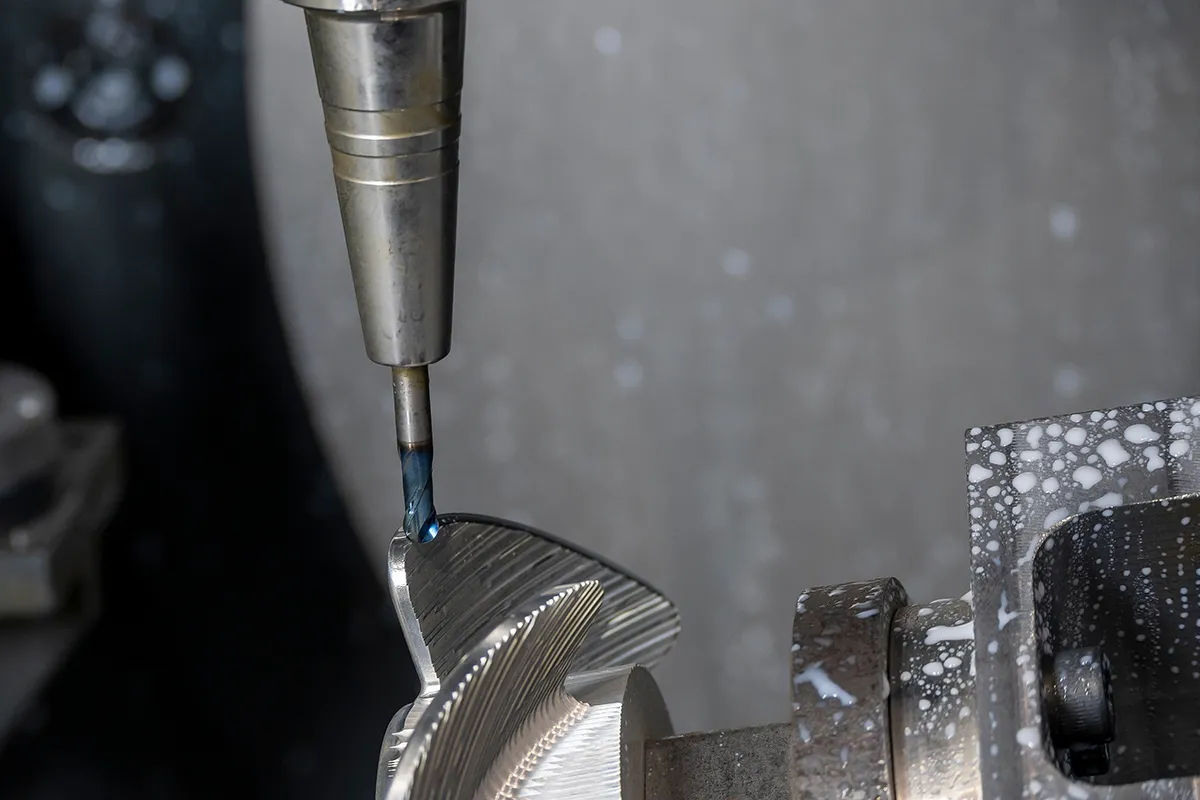
A growing body of research highlights the benefits of using artificial intelligence tools in the workplace. They will play a crucial role in advances in manufacturing in our country. What will this mean? When it comes to automating programming methods, artificial intelligence can significantly reduce the time needed to write programmes. For example, while traditional methods take 16 minutes to programme a toolpath, artificial intelligence can cut this to just a few seconds. However, every manufacturer works with unique tools, set-ups and processes, which may require customisation to ensure that the output from artificial intelligence is accurate and safe. While fully automated programming is not yet on the horizon, particularly for complex parts, incremental improvements in automating micro-tasks such as tool selection or fixture design are already delivering measurable efficiency gains. For manufacturers, using artificial intelligence means balancing technological capabilities with practical constraints.
Integrated turnkey solutions
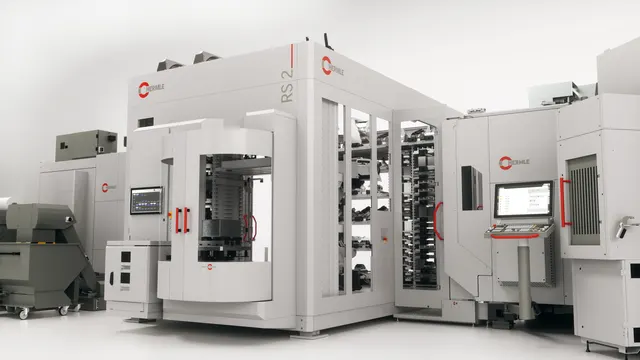
In the past, operators and programmers spent a great deal of time at machines fine-tuning settings and ensuring optimal performance. In the year ahead, expect growing demand for turnkey solutions that eliminate guesswork and reduce manual intervention. How? Through interconnected systems that configure themselves seamlessly with one another. For example, tools can be set up and validated virtually, ensuring correct set-up before machining begins. Digital twins take this a step further, allowing programmers to simulate and verify their code from their desks before it is run on a physical machine. This means fewer surprises and a better chance that everything will work as expected when it is time to use the CNC machine. Together, two-way communication and automated validation significantly reduce human error and ensure a smoother, more reliable workflow with fewer interruptions.
More possibilities with additive manufacturing
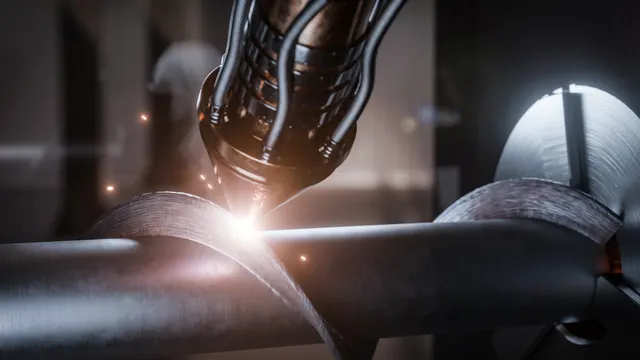
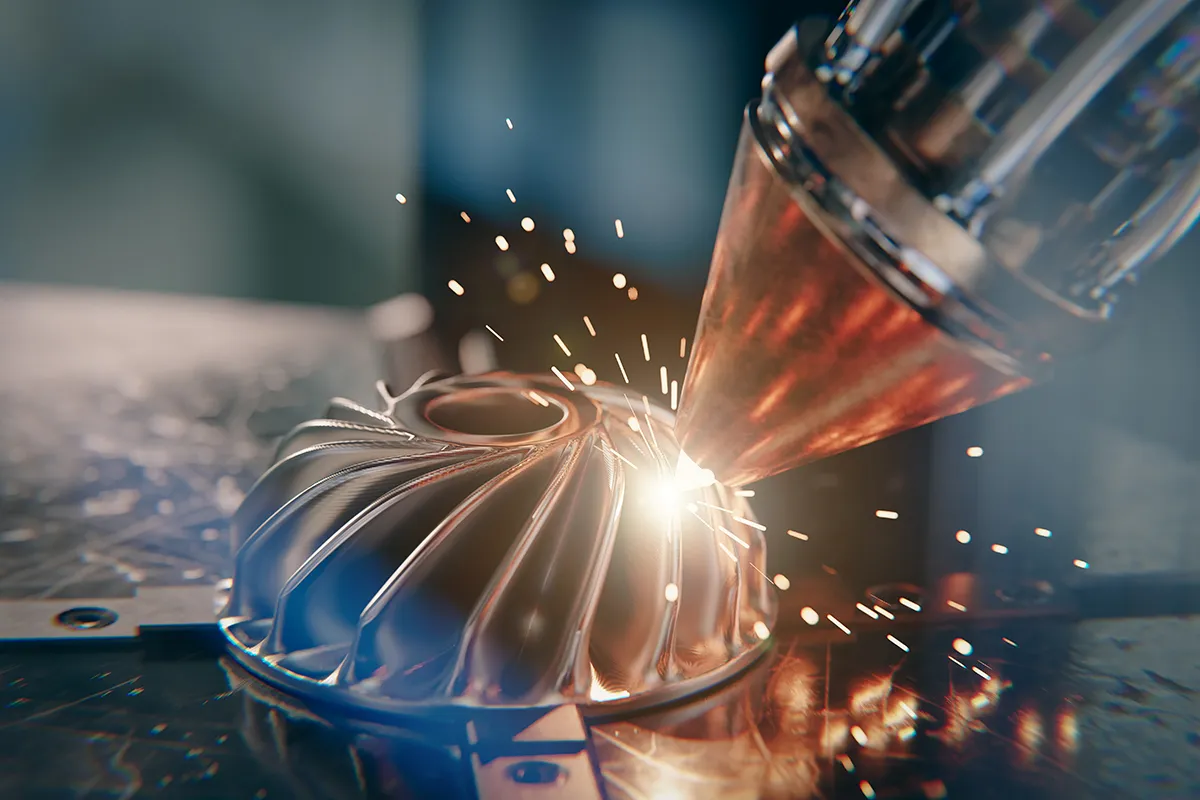
Additive manufacturing, including 3D printing, is transforming the manufacturing sector in remarkable ways. From complex aerospace components to customised guitar necks, additive manufacturing enables manufacturers to produce parts once thought impossible or impractical to make. Challenges include the high cost and steep learning curve involved in the process. Finding the best materials and settings can require extensive experimentation, often in collaboration with research institutes or under strict confidentiality agreements. Despite these challenges, additive manufacturing is an area to watch closely: the global additive manufacturing market is expected to reach more than $83 billion by 2030. As the technology advances and costs fall, it will become an increasingly viable option for mainstream manufacturing, particularly for producing prototypes or parts with complex geometries.
Faster, lighter and better
It is difficult to remain competitive without adopting new technologies. One technique set to gain prominence in 2025 is high-speed machining (HSM). Using fast, light cuts with low cutting forces, this technique increases material removal rates and reduces cycle times. Machinists using HSM for the first time can achieve significant gains in efficiency and precision. Workshops that have been using HSM for some time are focusing on refining processes and integrating the technology with other trends, such as AI and digital twins, to boost productivity further. Resistance to change remains an obstacle for some manufacturers, but those unwilling to adopt HSM risk being overtaken by the competition.
Further on the horizon
Success in 2025 and beyond will depend on a willingness to adopt new technologies, rethink traditional workflows and invest in employee training. Unlike 20 years ago, when most newcomers followed formal apprenticeship programmes, the younger generation of operators often jumps straight in, learning on the job and adapting as they go. But the shortage of new talent is being felt. That is why more machine manufacturers will want to invest in turnkey solutions to bridge the skills gap.
This shift also means that the new generation of operators is not necessarily tied to traditional methods and habits, and is breaking free from the mindset of “that’s how we’ve always done it”. The arrival of “digital natives” on the shop floor will move the industry forward through new, more efficient processes. The goal remains the same: to produce better parts faster and more efficiently. By adopting complex machines, harnessing AI for automation, implementing integrated turnkey solutions, exploring additive manufacturing and incorporating high-speed machining, manufacturers can gain a competitive edge. For those ready to adapt, the possibilities in 2025 seem limitless.
Question about this story? Ask your question
Keep following this
Get an email when a new story is published. No account needed.
- ThemePrecision and productive machining
- SubjectMachining