A relaxed and convivial SONACA study day
Texte Luc Ophals Photos Luc Ophals et SONACA
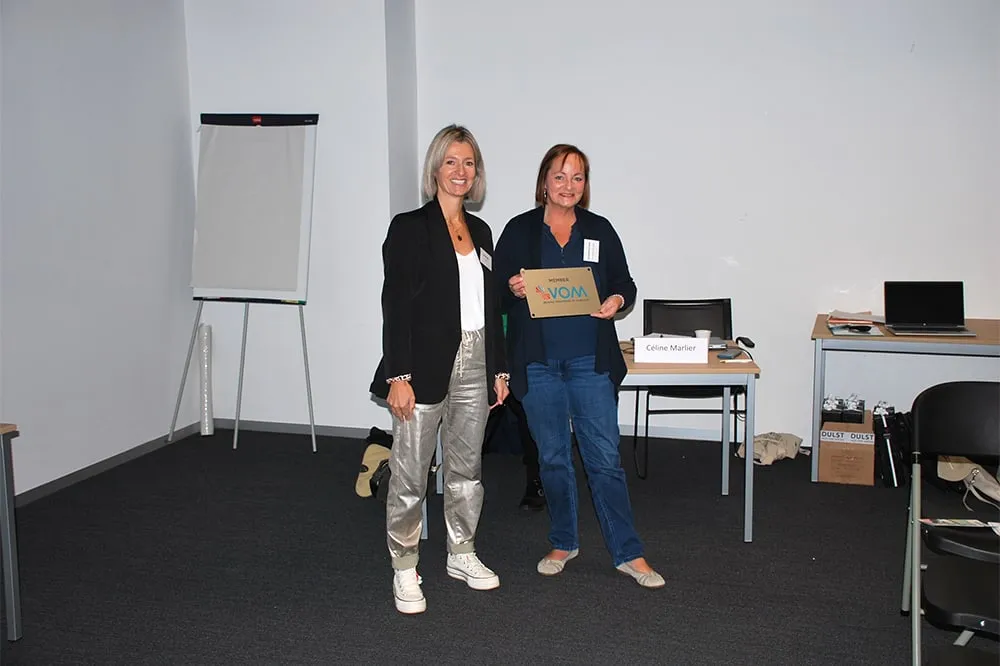
On 19 September, the SONACA site in Gosselies was « the place to be » for a study day devoted to surface treatment in the aerospace industry. The event, organised by Promosurf, the French-speaking arm of the VOM, in partnership with the French association A3TS to take stock of the technology in France, was enriching, constructive and relevant, and took place in a relaxed, interactive atmosphere.
The VOM is the Belgian association for the surface treatment of materials, bringing together around 260 specialist companies. The event’s French partner, A3TS, is an association for heat treatment and surface treatment. The study day, organised by the Promosurf working group, offered a unique opportunity to discover the latest advances in surface treatment for the aerospace industry and meet leading experts. On this occasion, around 30 VOM members attended talks on current issues critical to the aerospace industry. Each talk lasted half an hour and was delivered in person by the Belgian speakers, while the French experts joined by video conference.
A compact but relevant and engaging conference programme
Without going into detail about all the talks, the first Belgian presentation is certainly worth highlighting. It was delivered jointly by Donatienne Ghysselinck (Sonaca) and Mireille Poelman (Materia Nova). The presentation outlined progress in developing anti-contamination solutions to preserve laminar flow over aircraft wing leading edges as part of the CLEANSKY STELLAR project. Tiny disturbances to airflow across the surface, such as the build-up of insect debris, can cause an early transition from laminar to turbulent flow. Turbulence ultimately negates the benefits of the design.
The main aim of the project is to study coatings that could offer the best possible properties for optimising and preserving laminar flow. The results are highly tangible. In the conference room, attendees had the opportunity to inspect aircraft wing leading edges coated with Sol-Gel, which had successfully completed around 800 test flights, and see for themselves that the coating’s anti-adhesion and self-cleaning properties remained effective after numerous take-off and landing cycles.
The other Belgian speakers, Stefaan Verreyken (Aim3lead), Philippe Legros (OCAS) and Karl Sofinowski (CRM Group), along with the French speakers Lucas Baissac, Joffrey Tardelli (IRT M2P) and Thierry Czerwiec (Institut Jean Lamour), presented a wide-ranging programme covering innovative technologies, including plasma electrolytic oxidation, HVAF, sustainable alternatives to chrome, electrostatic coatings and additive manufacturing.
A tour of the SONACA facilities
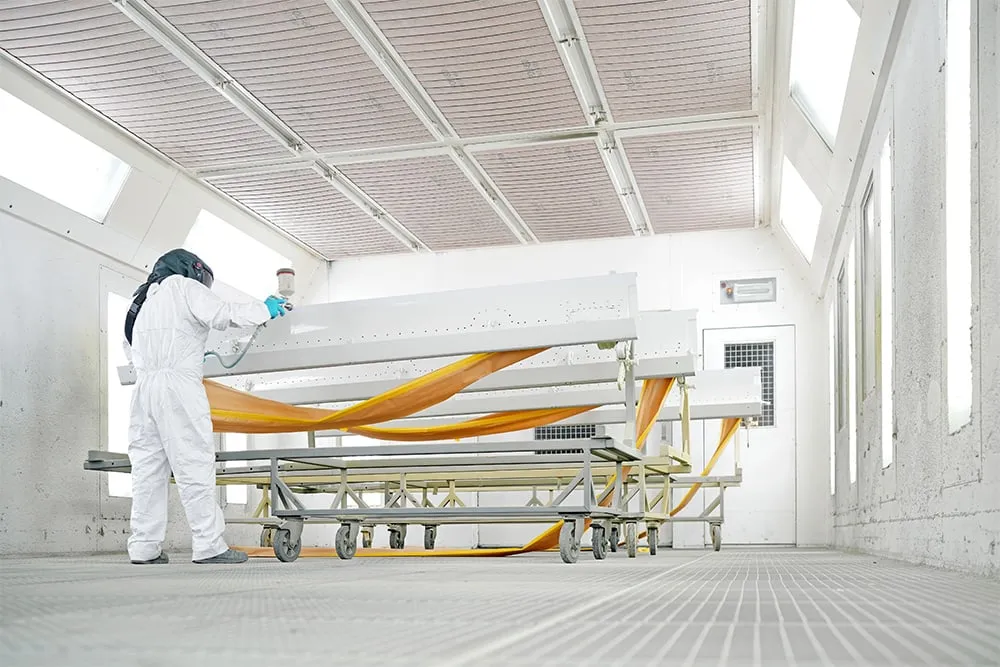
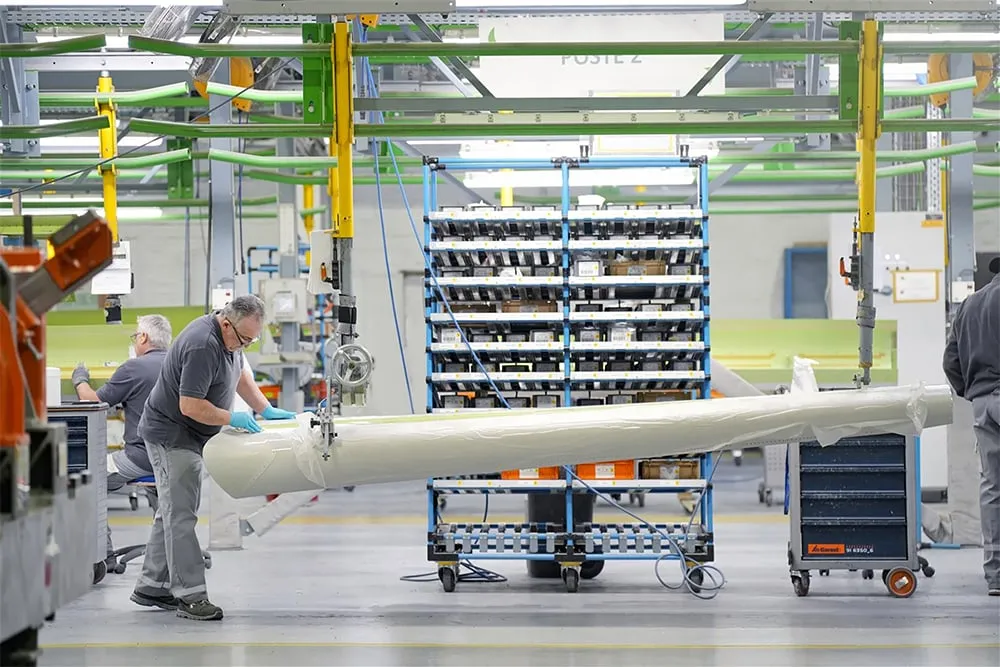
With recognised expertise in leading edges and complex fuselage sections, SONACA is undoubtedly one of the world’s leading developers, manufacturers, assemblers and suppliers of aerospace components. The site tour was therefore a perfect fit with the conference programme. It took us along the aluminium surface treatment line for large, single-piece components up to 10 m long. Complying with REACH requirements, the line is switching from chromic anodising to sulpho-tartaric anodising for parts to be painted and sulpho-phosphoric anodising for bonded parts. The tour continued through the liquid paint application lines for assembled components and the automated quality inspection systems.
A convivial networking opportunity
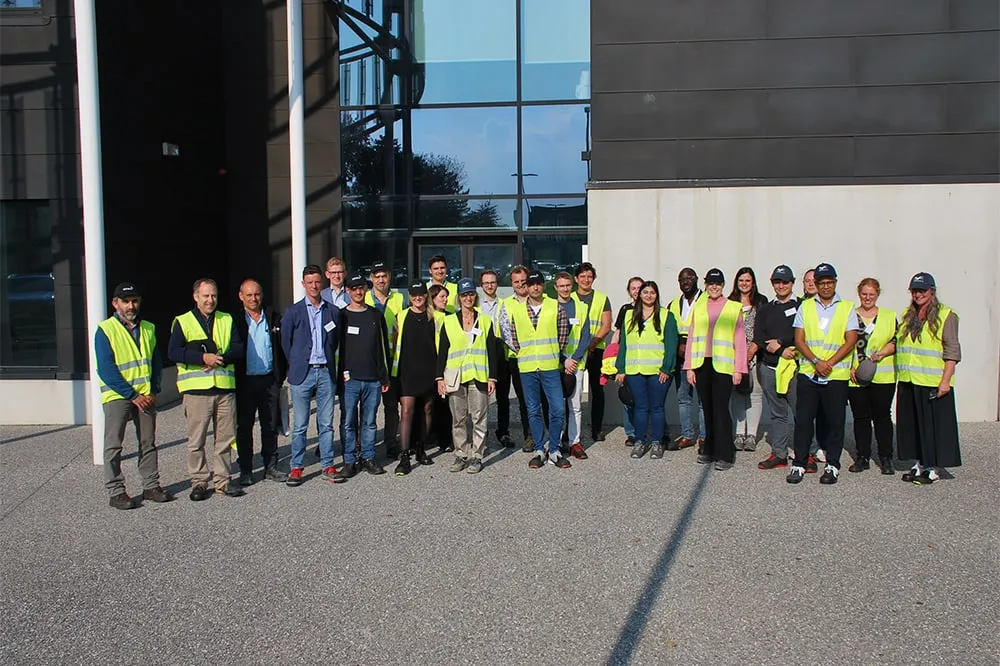
After the tour, the day came to a fitting close with a drinks reception, the perfect opportunity to share impressions and talk together. « The underlying aim of the event was to highlight the close links between research, academia and businesses », says Julie Moreau, MarCom & Operations Manager at VOM. Indeed, technical developments are not confined to the laboratory, but are rigorously tested and evaluated under real-world conditions in partnership with aircraft manufacturers. Mireille Poelman, for Matera Nova, says: « Bringing together a number of stakeholders in a sector as complex as aerospace, both in person and remotely, is very enriching and exciting. Organising the sessions into half-hour talks helps people stay focused while keeping the subject matter on point. Not too long and not too short. And the joint presentation went very well. The audience was clearly engaged. It was also a great networking opportunity. » Those interviewed also confirmed that the event programme was highly complementary and relevant. It was a much-appreciated networking opportunity.
Question about this story? Ask your question
Keep following this
Get an email when a new story is published. No account needed.
- ThemeSurface quality control
- SubjectNews