Golden rules for fast, high-quality and efficient bending
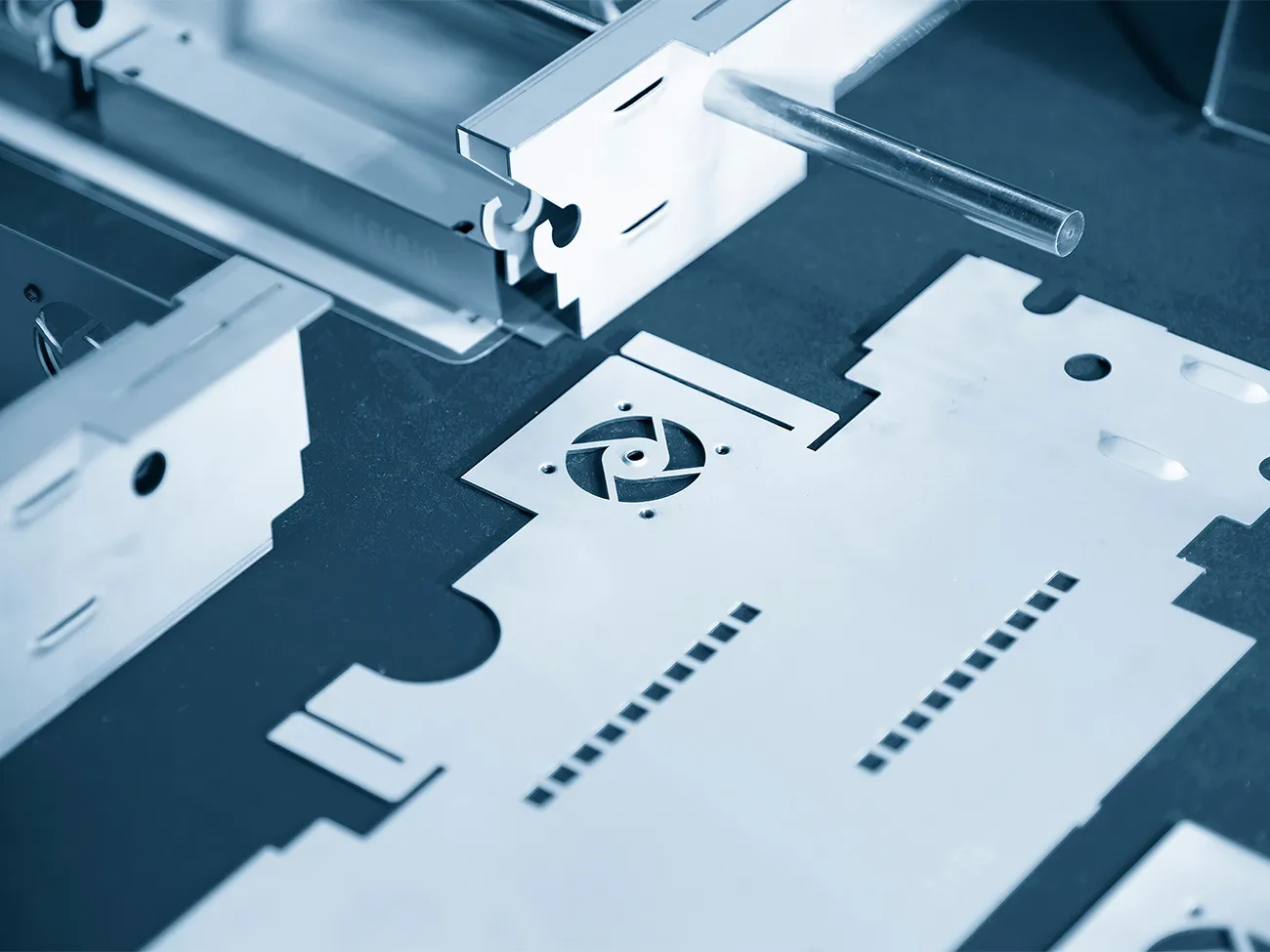
Successful bending starts with the right machine and tooling. But however advanced the technology, the press brake operator’s knowledge and experience remain major assets. This article summarises a few golden rules to make the bending process as fast, high-quality and efficient as possible, from design in the office to production on the press brake in the workshop.
A smart operator makes use not only of the press brake, but also of the surrounding space to create an ergonomic workstation. This means ensuring that parts can be loaded and unloaded easily and ergonomically, while keeping all the equipment they might need within easy reach. They would also be wise to consider all the operations that may follow once the batch is complete. By arranging parts intelligently on pallets with the next steps in mind, operators further down the line can also work more efficiently. These may include welders, assemblers and others. If the same parts often recur, or parts follow the same workflow through the company, it may be worth investing in dedicated trolleys to handle them neatly and quickly.
Optimising bending programmes
It is no longer enough to create a CNC programme and expect it to remain fit for purpose indefinitely. It is worth reviewing your CNC programmes regularly to check whether new solutions are available to optimise the bending process. This may be necessary because the operator’s knowledge and experience have improved, or because new techniques or machines have been developed, giving the press brake operator more options for tackling existing challenges.
Standardising machine set-ups
Machine set-ups can also be standardised by grouping parts so that the same tools and dies can be used for longer.
Of course, this will not always be possible, either because the parts cannot be grouped or because the schedule cannot be planned far enough ahead. But where it is possible, it can save a great deal of time when setting up the press brake and changing tools. The heavier and larger the parts, the more worthwhile this approach is.
Suggesting solutions
Press brake operators should always be proactive, whether they have extensive experience or are just starting out. If you encounter problems or difficulties with particular parts or challenges, discuss them with other operators or even with the people in the drawing office. Suggesting alternative ways of working the part can improve its manufacturability. A collaborative environment also makes the workplace more pleasant and leaves room for creative ways to improve the work. This applies to every machining process, not just bending.
Keep learning and communicating
Whether you are an operator, programmer or designer, always keep learning, both from colleagues and through training. Nothing in technology is set in stone, and bending continues to evolve. By always striving to improve at what you do and talking to others, you can find new ways to increase safety and efficiency in the workshop.
Question about this story? Ask your question
Keep following this
Get an email when a new story is published. No account needed.
- ThemeMetal forming and joining
- SubjectNews