Huppertz plans to integrate robotic welding into production step by step
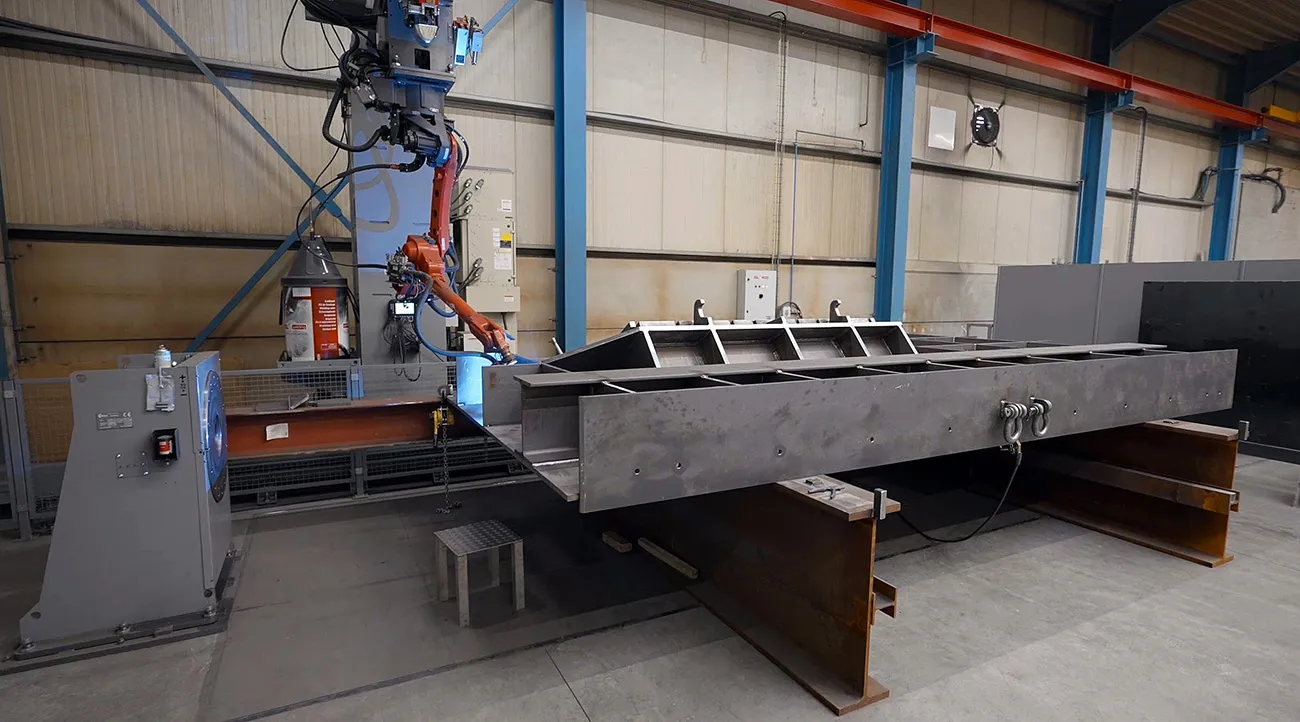
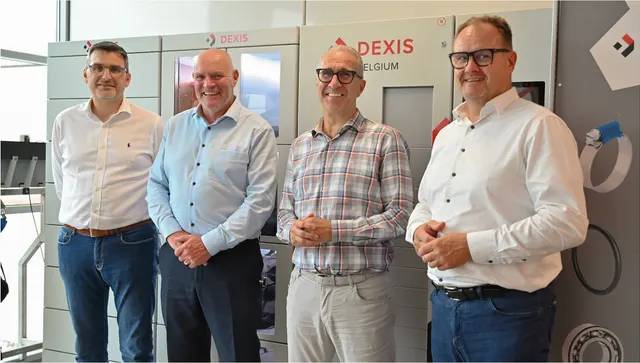
By commissioning a new robotic welding system, Huppertz AG, based in the town of Sankt Vith in eastern Belgium, aims to create added value for its customers, increase welding capacity and further strengthen the company’s stability. “We are deliberately taking things step by step so that we can adopt the technology in a considered way,” explains managing director and owner Karl-Heinz Huppertz.
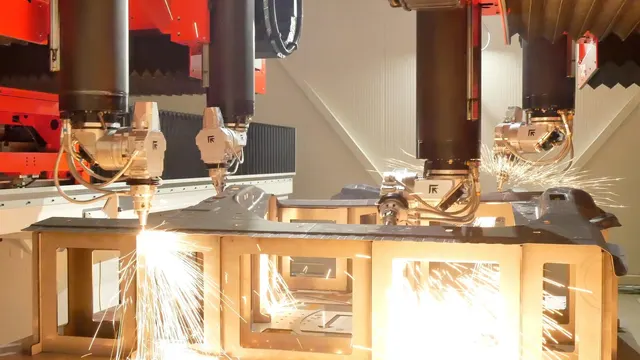
When every operation for a given order can be carried out in-house, from A to Z, this not only saves time and costs, but also ensures that every stage of the process is perfectly coordinated. The process covers everything from design and engineering to powder coating and assembly, as well as laser cutting, bending and robotic welding. The company is also one of the few able to handle large-scale products. Huppertz AG stands out through this comprehensive offering and has established a strong position in eastern Belgium and far beyond. In series production, and especially for very large items such as industrial furnace systems, filter housings, metal structures and machinery that Huppertz AG builds for OEMs, its capabilities offer significant logistical and cost advantages.
Increasing welding capacity
Investment in a welding robot had been on the wish list for some time as a way to increase the welding department’s capacity. The company’s reluctance to rush into investments is reflected in the fact that Huppertz AG held its first discussions with Valk Welding as long as ten years ago, but did not explore the possibilities of robotic welding until 2018, when it hired a welding robot. Building on this initial experience, Karl-Heinz Huppertz and Freddy Classen, head of the welding department, continued discussions with Valk Welding about supplying a large robotic welding system to handle both small and large assemblies. “From the outset, we had complete confidence in the knowledge and expertise of Valk Welding’s staff,” the two men emphasise.
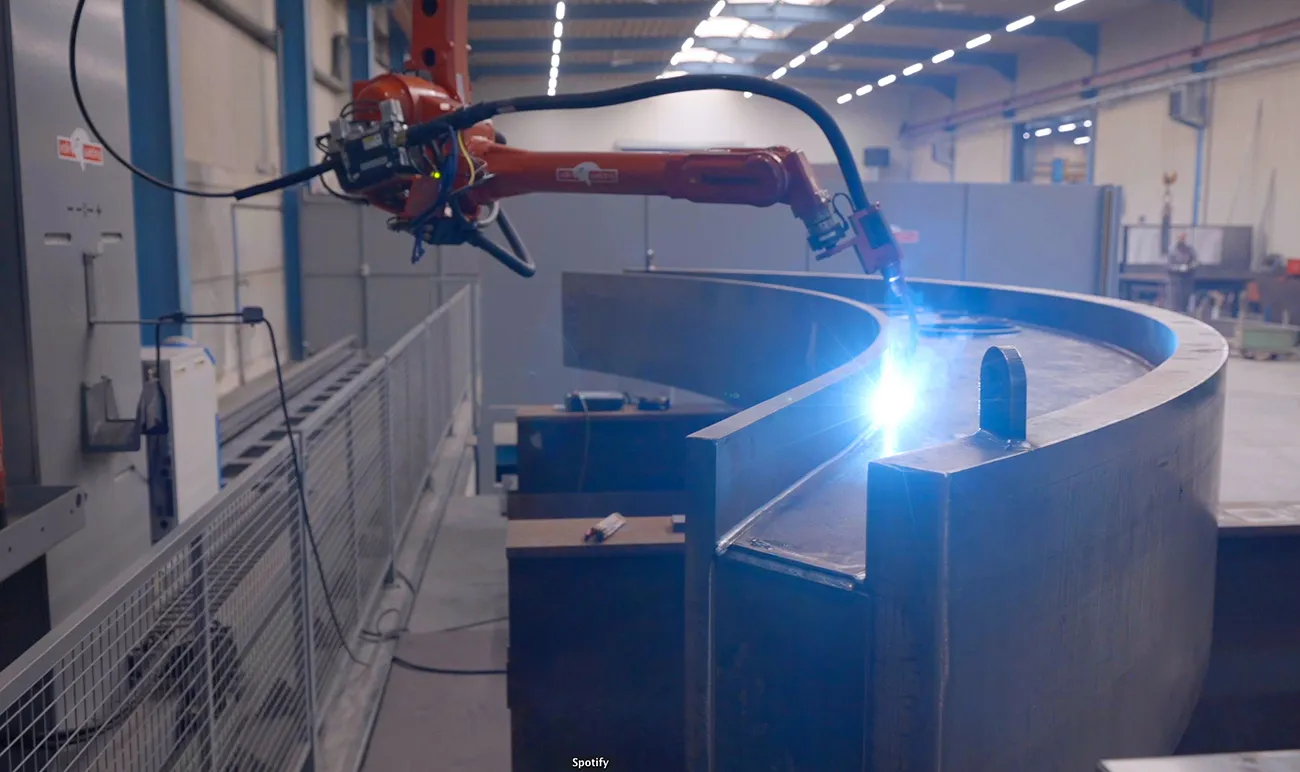
Step-by-step integration
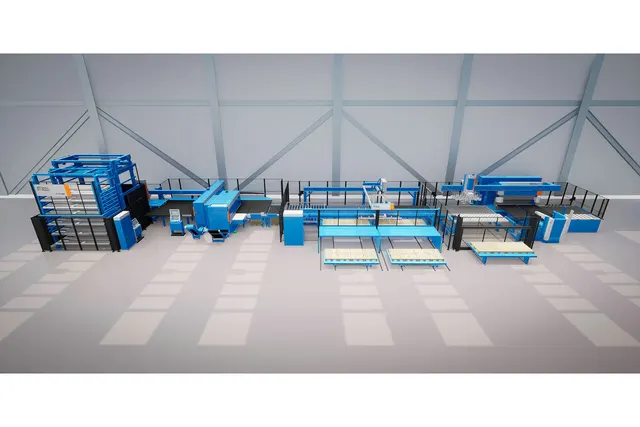
Installed at Huppertz by Valk Welding at the end of 2019, the 9-axis welding robot system is configured for maximum flexibility, with two workstations, a 14-metre longitudinal track, a workpiece manipulator and one innovative feature: the partition between the two stations slides. “We now use the robotic welding system for components requiring extensive welding, such as subassemblies for industrial vehicles and boiler construction, as well as smaller parts for machine building. The fact that the system is not yet fully occupied is a deliberate decision,” explains Karl-Heinz Huppertz. “We want our employees to be able to adopt the technology in a considered way. Of course, the investment has to pay for itself, but not by putting our staff under pressure. We have set a four-year target for the welding robot system to be fully occupied. If we get there sooner, that is certainly better, but it is not an end in itself,” the owner explains.
From online to offline programming
Huppertz AG is also taking a step-by-step approach to programming. The first products were programmed online on the welding robot. “This gave our operators the basic knowledge and experience they needed, shortening the learning curve when they moved on to offline programming,” says Freddy Classen. “Overall, the considered, gradual introduction of robotic welding technology is ensuring future-oriented development, and we are already reaping the benefits.”
Question about this story? Ask your question
Keep following this
Get an email when a new story is published. No account needed.
- ThemeMetal forming and joining
- SubjectNews