Mastering processes: hard machining
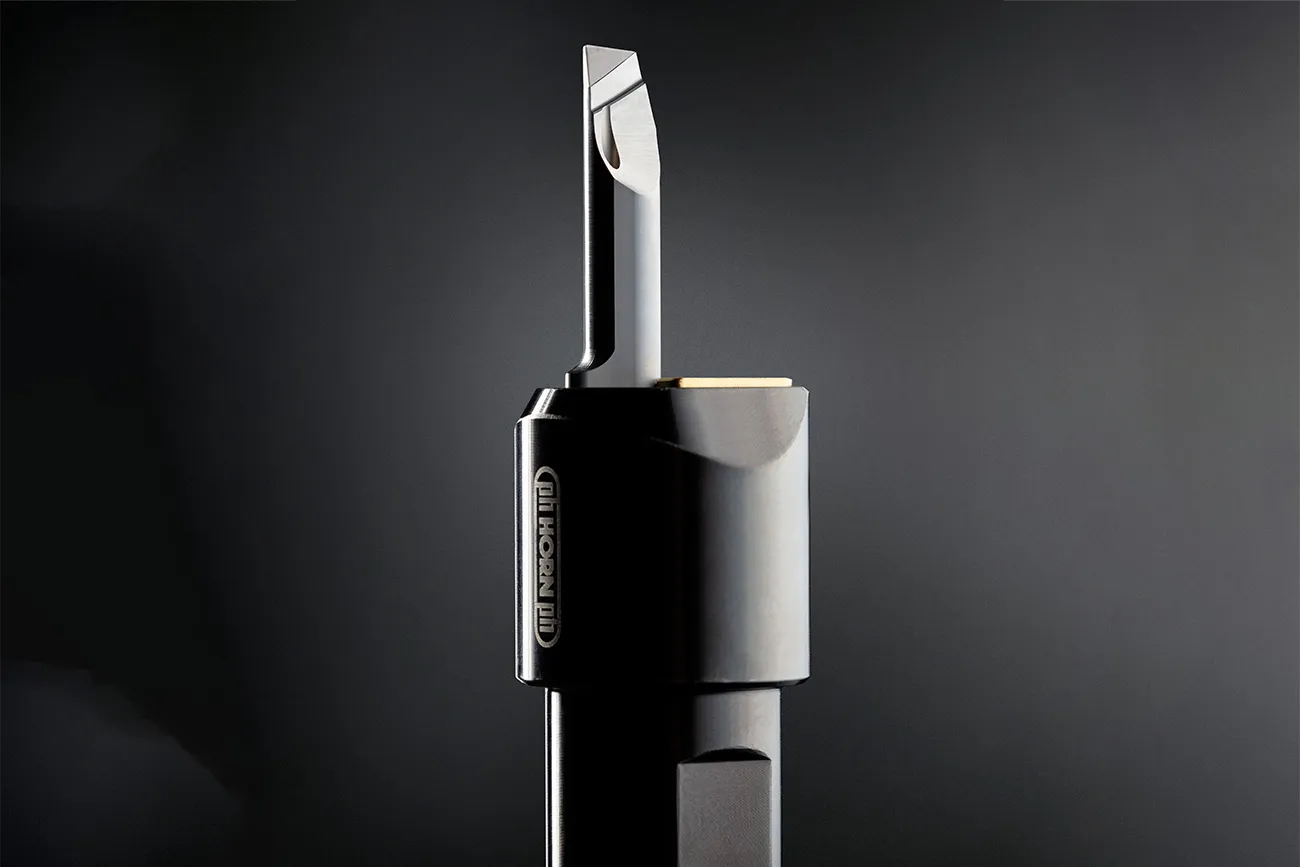
Shorter machining times, high surface quality and the potential to eliminate grinding operations: these are just three of the benefits that hard machining with a geometrically defined cutting edge can offer users. Drawing on its expertise in tool technology, Paul Horn GmbH offers a wide range of tooling solutions for the cost-effective machining of steel materials with a hardness above 56 HRC. CBN cutting material has proven its worth in groove turning. Milling uses not only CBN substrates, but also solid carbide cutters with special high-performance coatings.
CBN (cubic boron nitride) is the second hardest known material on earth, after diamond. When used appropriately, CBN tools wear much more gradually than tools made from other cutting materials. This enables greater form and dimensional accuracy, and also allows hard materials, including steel up to 70 HRC, to be machined reliably. CBN is not available in different grades. Instead, CBN substrates are differentiated by their volume percentage of CBN, fillers, grain size and ceramic/metallic binder phase (cobalt/nickel). This produces a range of CBN substrates. Many Horn tool systems can be fitted with CBN cutting material. These are generally special tools tailored to a specific application. Horn also offers standard tools fitted with CBN.
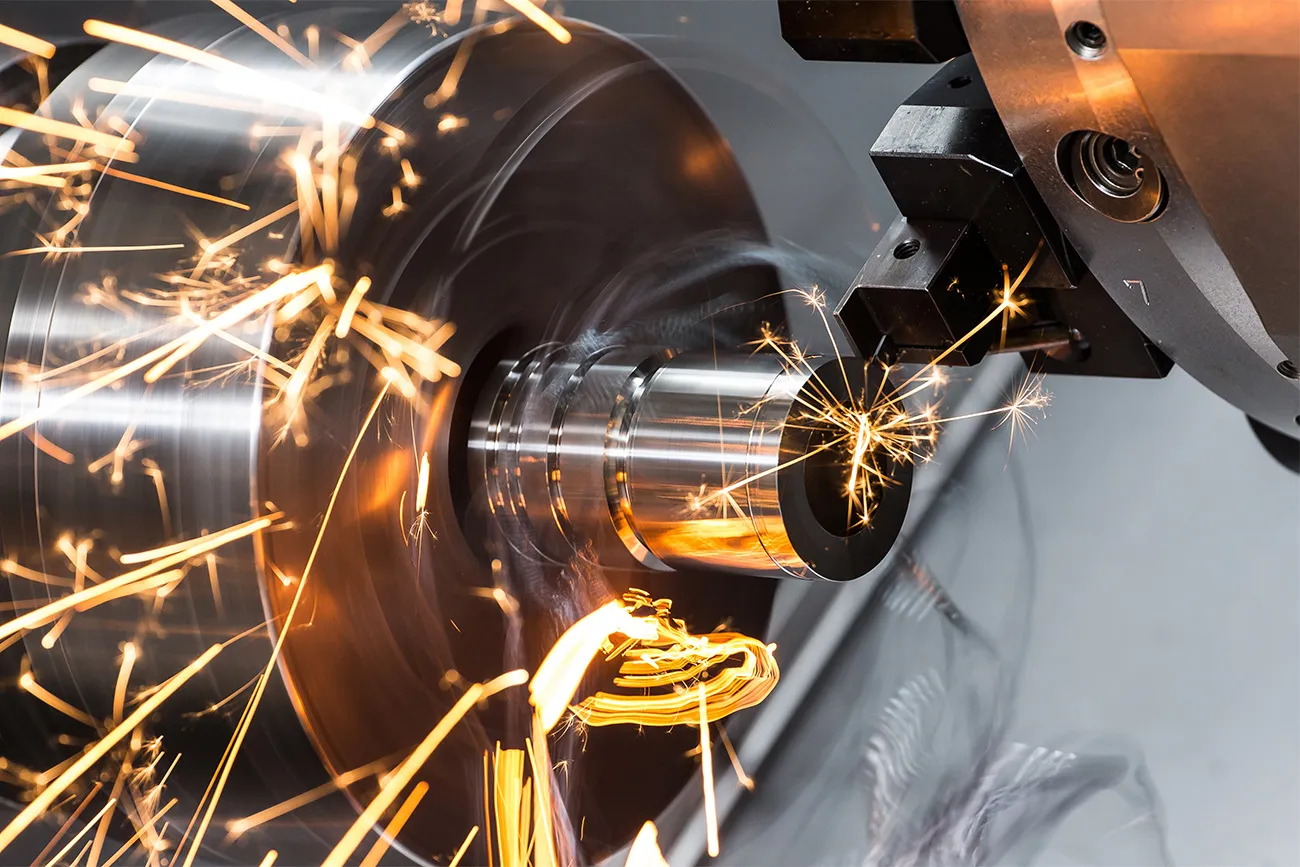
Hard machining with CBN cutting materials is generally carried out dry. This is possible because CBN has high heat resistance, and the high temperature in the chip formation zone has a beneficial effect. An inadequate supply of coolant or interruptions to the cut generate high thermally induced stresses in the insert structure. This can cause cracks and, in some cases, destroy the indexable insert. During hard machining, the chip shear zone is therefore exposed to intense heat, which softens the material. Most of the heat generated in the shear zone is carried away by the chip rather than transferred to the workpiece. As a result, machining has no thermal effect on the peripheral zone. While carbide suffers a substantial loss of hardness at temperatures of around 800 degrees Celsius, CBN hardness remains virtually unchanged up to 1200 degrees Celsius. Another important factor is its chemical resistance, particularly at the temperatures involved.
Numerous advantages
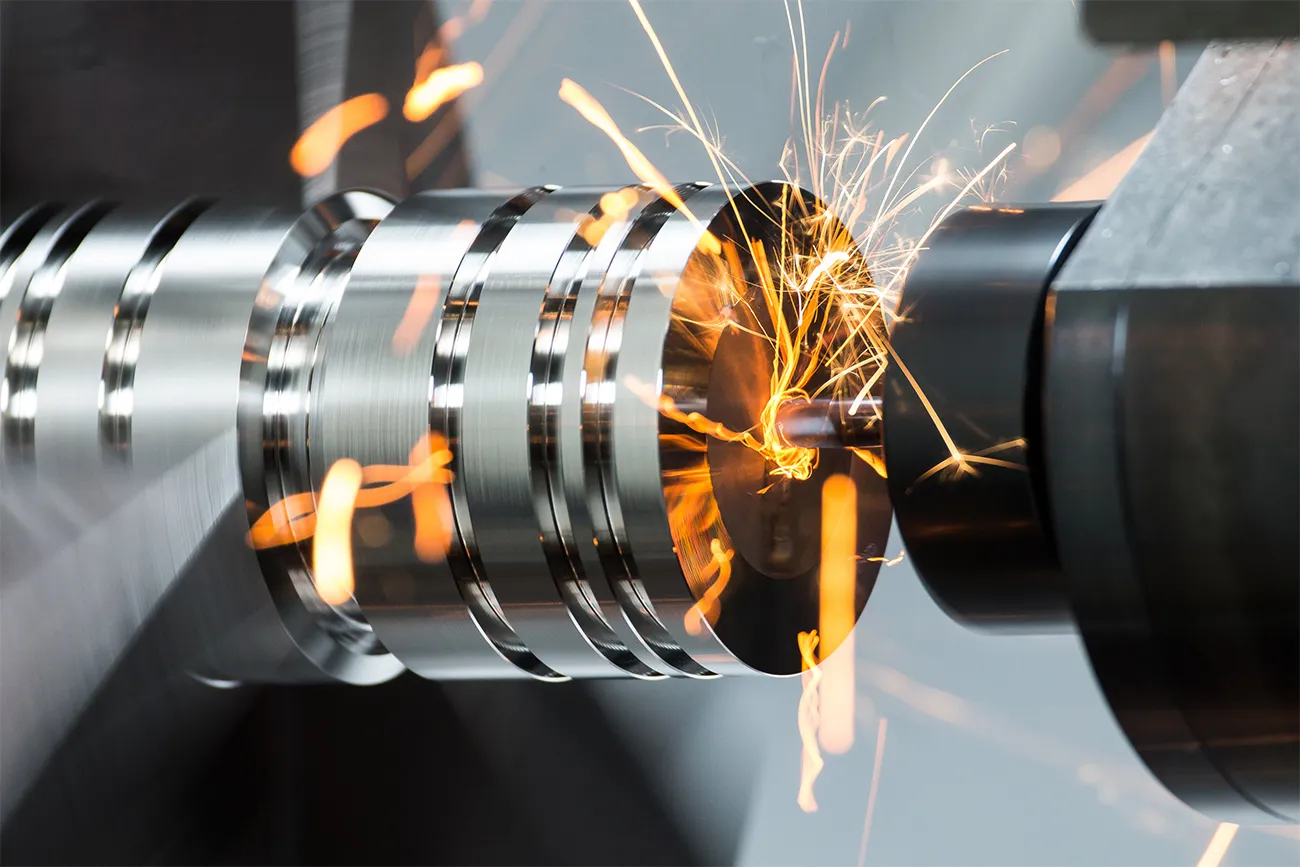
Hard machining with a geometrically defined cutting edge and CBN cutting material offers numerous advantages over grinding. The process allows high metal removal rates, resulting in shorter machining times. Conventional machines can be used for this process, making it possible to machine the entire workpiece in a single setup. Even complex contours can be produced easily on a lathe. By contrast, grinding wheels need to be profiled in a complex process. The high surface quality achievable with hard turning can also eliminate additional grinding operations.
For milling hardened steels with solid carbide cutters, Horn has developed a range of special cutters for the DS milling system. A special geometry ensures high milling performance in the 50 to 70 HRC range. Combined with the TS3E special coating, the tools offer a long service life thanks to their resistance to high operating temperatures. HORN has built up considerable expertise in coating precision tools. Horn’s engineers continuously research and develop new and existing coatings, with the aim of making tool coatings even more effective. A coating just a few µm thick can increase the service life of solid carbide tools by up to 1000 per cent or more.
PAUL HORN: Stand number 150
Een zakelijke vraag aan Hartmetall-Werkzeugfabrik Paul Horn GmbH? Get in touch
Companies in this story

Keep following this
Get an email when a new story is published. No account needed.
- ThemePrecision and productive machining
- SubjectNews
- CompanyHartmetall-Werkzeugfabrik Paul Horn GmbH