Optimisation is easy with the right machines
“Robust and reliable machines can take a lot of work off your hands,” says Brice Buhlmann, director of the family business Buhlmann, which has been active in the market for over 90 years. This is more important than ever in the current climate, with a severe shortage of CNC machine operators/programmers.
Acquiring robust and reliable machines is very important for the metalworking and metal processing industry. They make operators’ work easier and help optimise processes. Brice Buhlmann cites some examples of machines represented by the company, which it will also present at the Machineering trade fair.
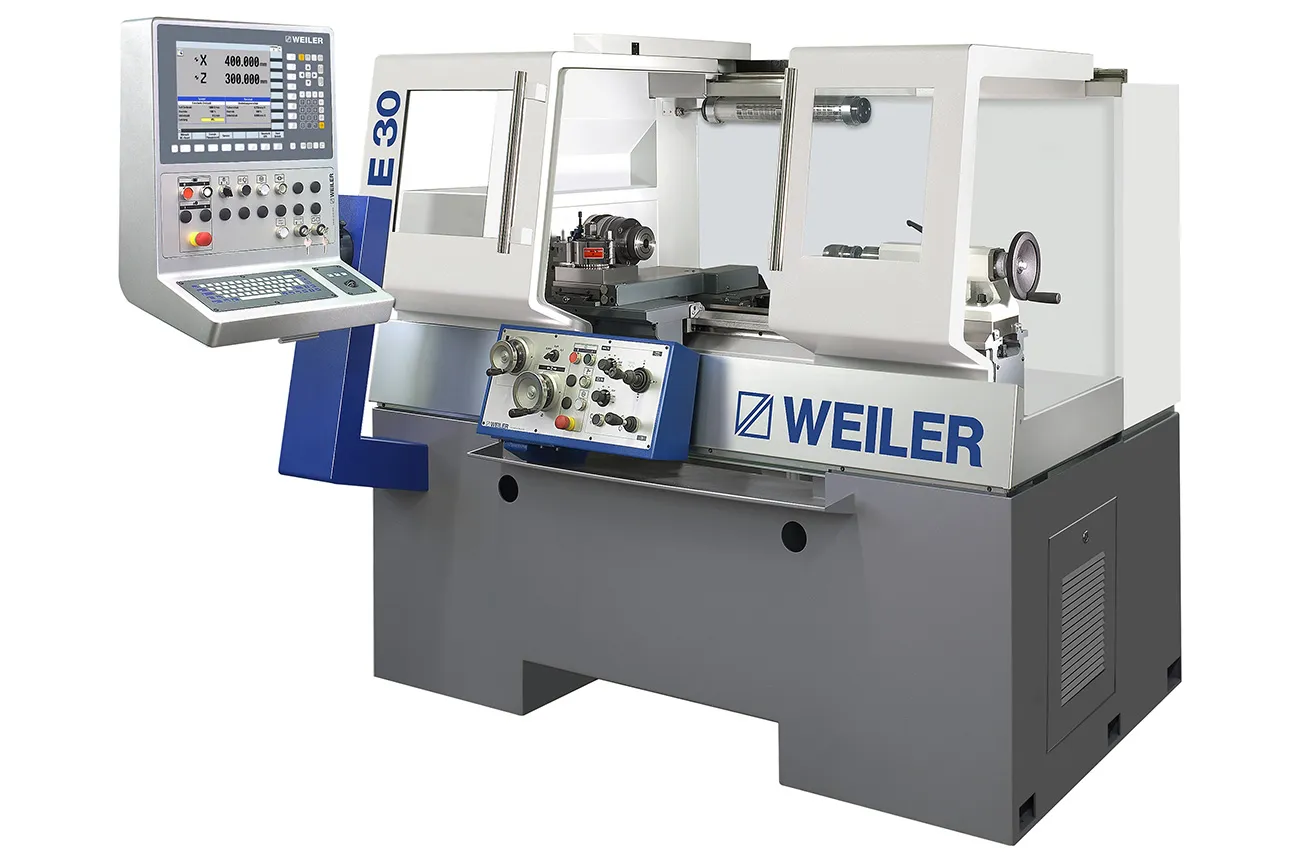
“One machine we would like to draw our target group’s attention to is the Weiler E30 lathe. Ergonomics, ease of use and long-term precision are the basis for fast, error-free results. The machine is very user-friendly thanks to its graphical user interface. For example, a number of cycles saved in the control system can be called up at the touch of a button. They can then be run individually or as part of an automated sequence. The benefits for the user are shorter programming times and highly efficient production of single parts or small batches.”
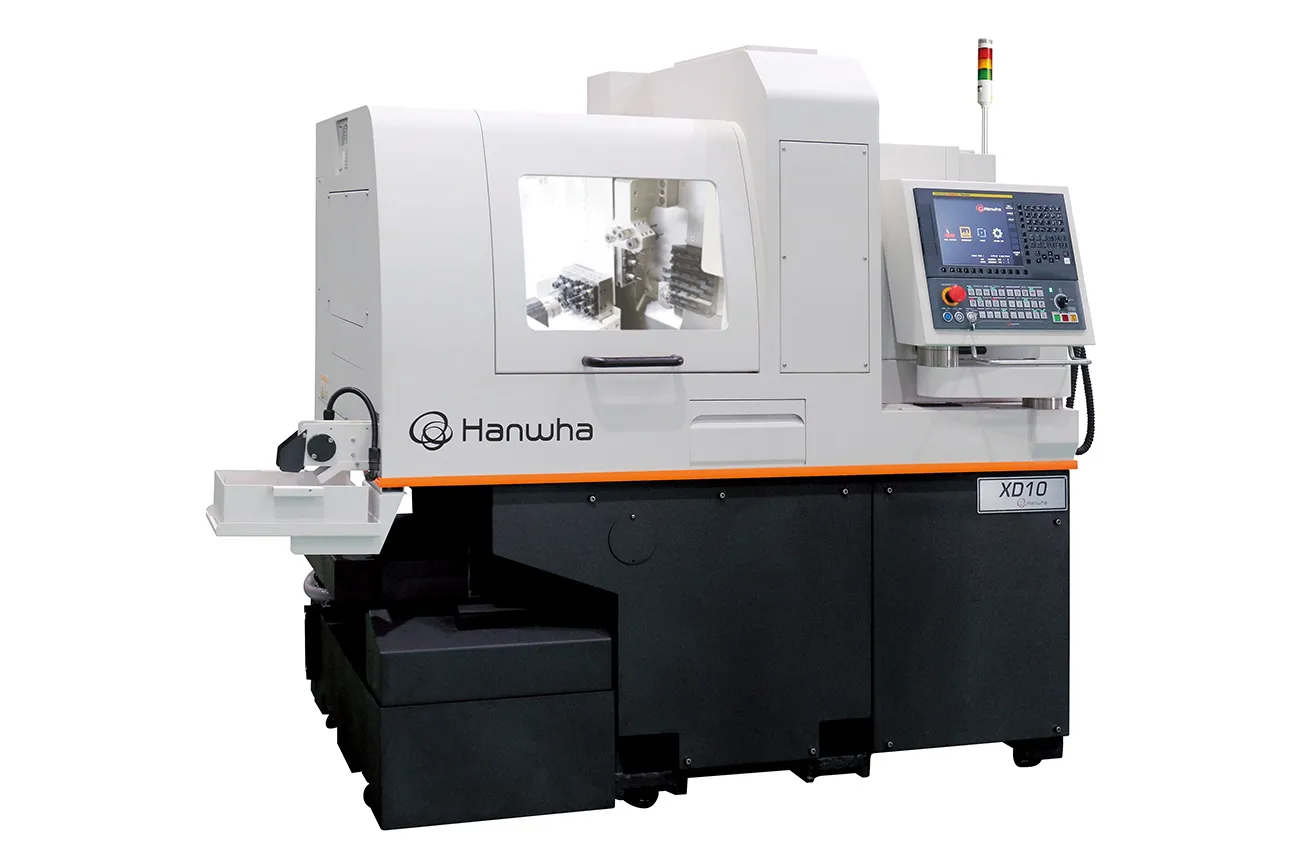
A second machine mentioned by Brice Buhlmann is Hanwha’s XD10 sliding headstock lathe. “It offers very good value for money and is often used for large quantities of small parts. Its multiple axes make it easy to produce large quantities at the required speed and precision.”
Control system
These are just two machines from Buhlmann’s extensive portfolio. “Buying high-quality machines is important, but companies can also optimise their processes with the right control system. That is why we have entered into a partnership with CAD/CAM company Solid Cam. Its software helps reduce the time operators need to spend at their machines. Tool movements within the machine are pre-programmed in the software on a computer rather than on the machine itself. This has several benefits. The first is optimising machining time. The machine can be turning or milling while the operator prepares the next job. This helps improve production time. It also makes it easier for one operator to run several machines. This is important in the current climate, with a severe shortage of CNC machine operators/programmers.”
Additive manufacturing
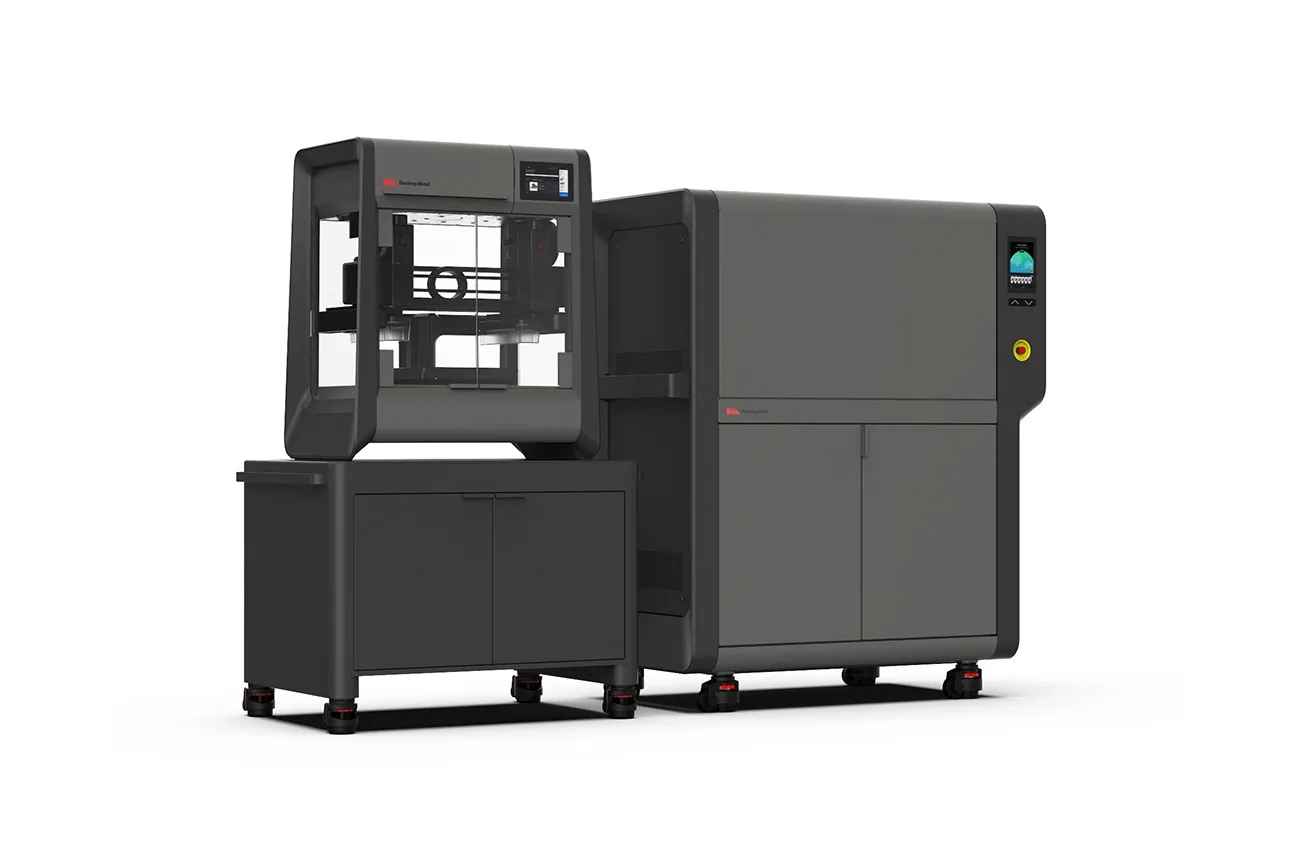
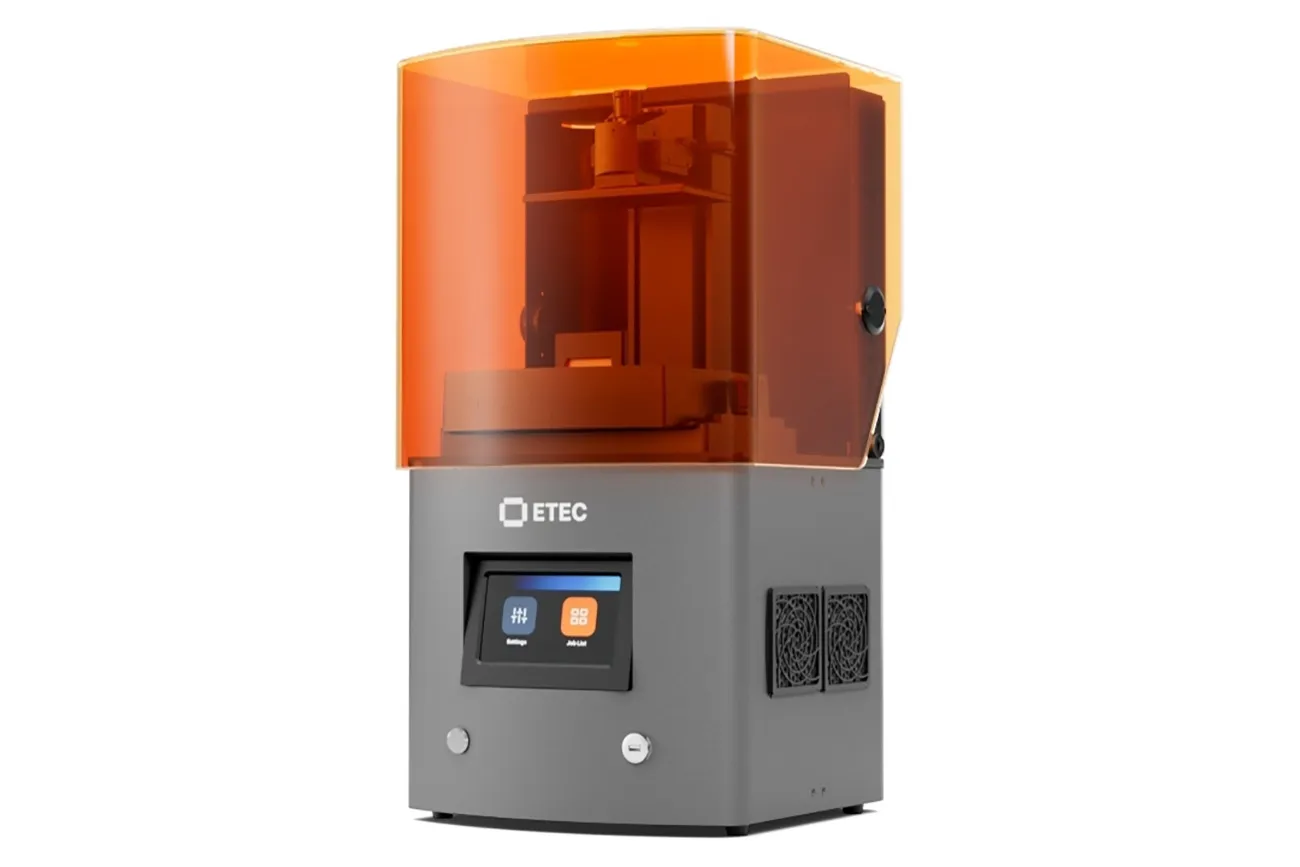
Additive manufacturing can also help optimise processes, says Brice Buhlmann. “Additive manufacturing is an important segment of our portfolio. Among other products, we represent Desktop Metal’s 3D printers. These printers produce metal parts in small and medium-sized batches. The company also offers printers that can print with rigid and flexible plastics, ceramic material, wood and sand. Printing objects in sand is useful, for example, for foundries making moulds.”
Series production
The main strength of Desktop Metal’s machine is its ability to print 3D objects in series. “This is extremely important for the market. 3D-printed objects offer enormous design freedom, which can benefit companies if they can produce them in series.” Brice Buhlmann gives an example: “A customer wants to build and sell a machine. To improve the machine’s efficiency or speed, they need to change the design of a component, making it very complex to manufacture using existing conventional technology. With a 3D printer, however, this particular design can be produced in series without any problem. As a result, the customer can use the component in their machines without any difficulty, leaving the competition far behind. 3D printing is a tremendous technology that is still a long way from reaching the limits of its development.”
BUHLMANN: Stand number 150B
Een zakelijke vraag aan Buhlmann? Get in touch
Companies in this story
Keep following this
Get an email when a new story is published. No account needed.
- SubjectNews
- CompanyBuhlmann