Plasma cutting, ready for the future
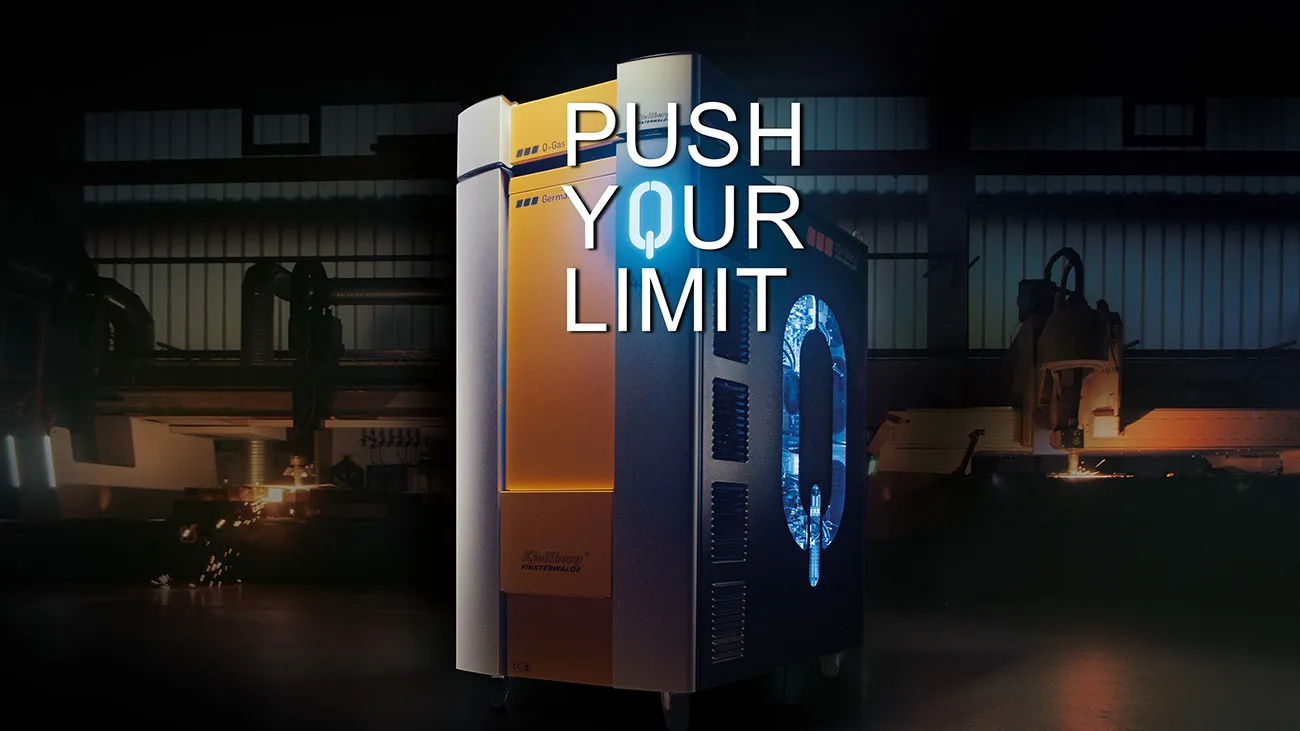
Plasma cutting technology is facing growing competition from fibre lasers. Yet, as a distributor of Kjellberg ¬Finsterwalde, Plasma Solutions is better prepared than ever to take on the competition. The latest addition to the Q series, the Q4500, is the perfect response to the shift towards increasingly heavy-duty systems that deliver the familiar quality on thin sheet, while also handling thicker material with ease. Jan van Overbeeke, Managing Director of Plasma Solutions, talks us through the key developments.
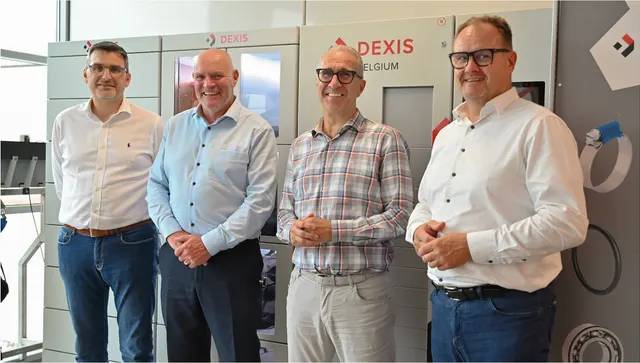
Is plasma on the way out? Nothing could be further from the truth. In October, Plasma Solutions moved to a new site in Lichtaart.
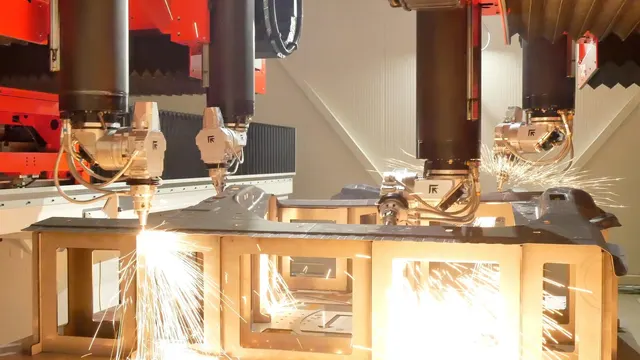
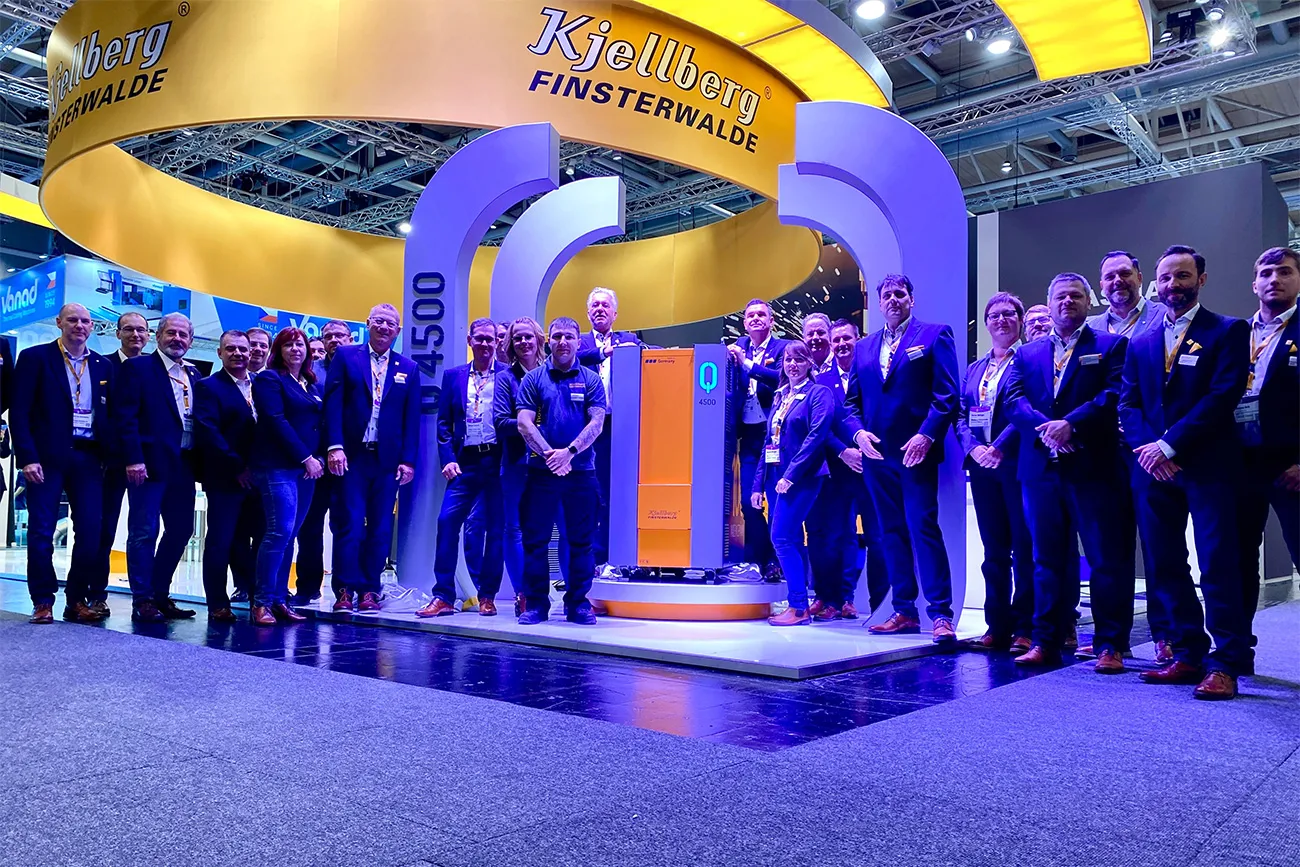
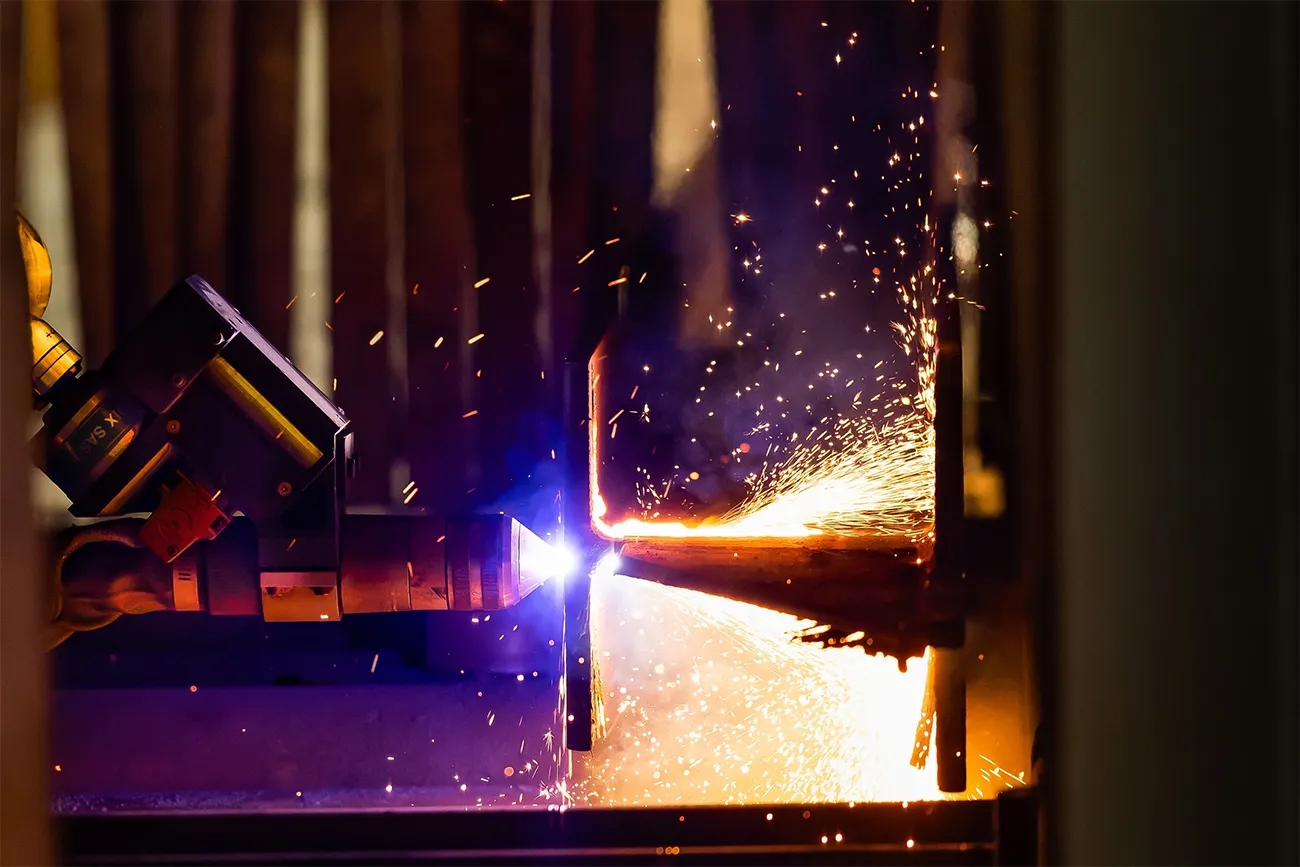
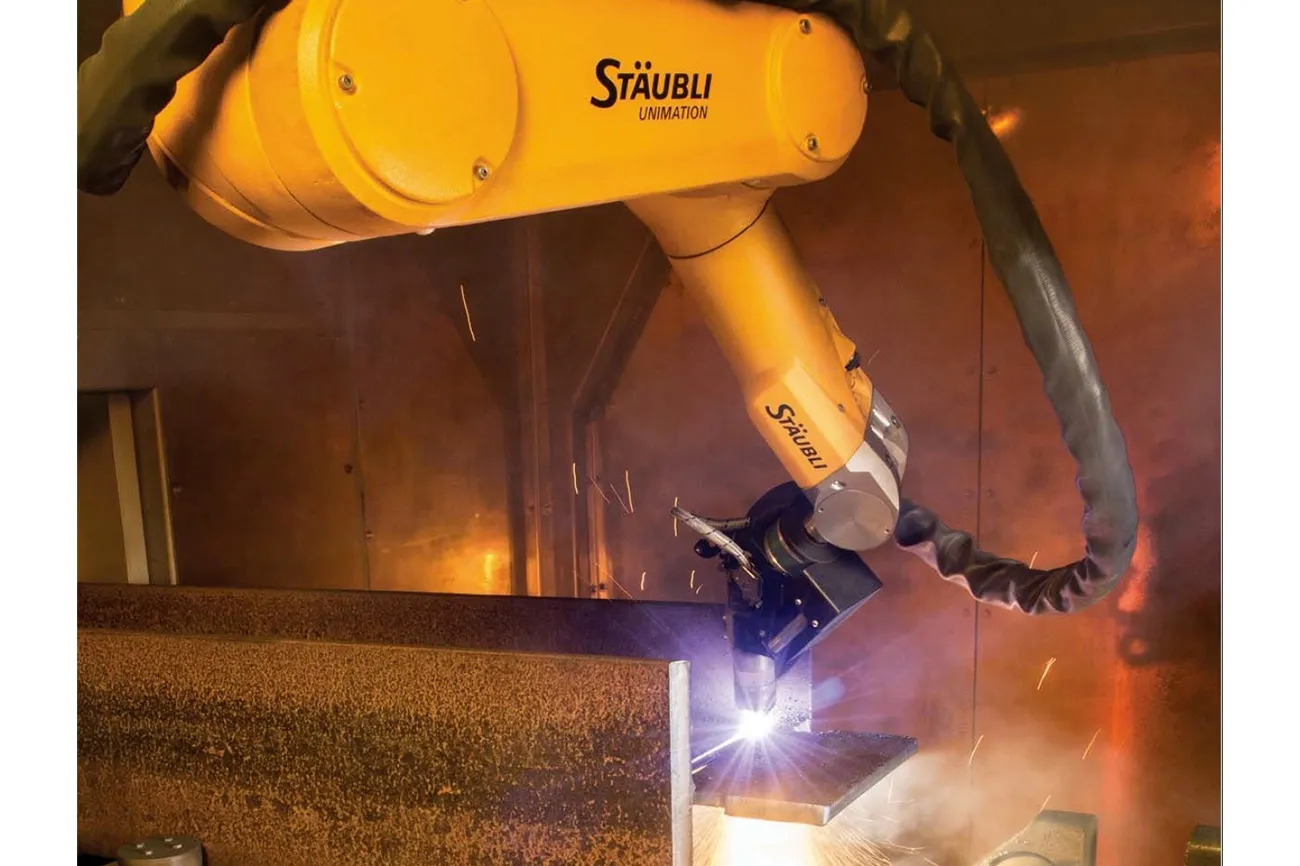
“The floor space has quadrupled,” says Jan Van Overbeeke. “So we are ready to grow further.” While plasma cutting is being hotly pursued by fibre lasers in the segment up to 15 mm, its versatility is proving to be a major advantage. “Plasma can deliver the same cut quality on thin and thick sheet. That is why we are seeing a growing trend towards heavy-duty, high-end plasma systems. In particular, the new Q4500 plasma power sources unveiled by Kjellberg Finsterwalde at the most recent EuroBLECH set new standards, with their 450 A output and the best cut quality achieved to date. Plasma cutting can also be easily integrated into all kinds of solutions, for example robotic applications or specialist machinery. Think of robotic profile-cutting systems for H-beams, pipe-cutting machines or solutions for Holland profiles in shipbuilding. This will broaden their scope of application in the coming years.”
Digitalisation for greater connectivity
Plasma ¬Solutions also stands out in this area. As Kjellberg Finsterwalde’s partner in the Benelux and France, it helps design bespoke solutions for customers where required. “For example, special torches, hose assemblies or electronics. We are seeing the classic plasma cutting table increasingly complemented by other tools at almost every machine builder, to make it even more versatile. For example, drilling heads, marking units or channels for cutting tubes are integrated, as well as, of course, the option of bevel cutting,” says Jan Van Overbeeke.
New series such as the Q units also offer enhanced connectivity.
“No one can escape digitalisation. It makes it possible to integrate the power sources directly into the machine control system using EtherCAT communication. It also gives users every opportunity to gain a better understanding of their plasma-cutting processes, for example through consumption data, and to benefit from remote support from the manufacturer for diagnostics, updates and assistance.”
Ongoing improvements to cutting costs and quality
Plasma cutting technology is also constantly evolving in this area. “Step by step, we are working to reduce the cost per metre of cutting even further.” This is being achieved in part by optimising gas consumption, while Kjellberg Finsterwalde is also investing heavily in research to extend the service life of consumables. However,
this is not just about the plasma power source. Optimum tool life depends on the power source working in perfect harmony with the cutting table or robot control system. That is why connectivity is so important.
“Another challenge is the trend towards cutting thicker material, and the resulting higher cutting currents and power levels, which put greater strain on consumables. But we are working on it. Another area of focus is cut quality, which is also seeing a steady stream of incremental improvements. Small-hole cutting in particular is receiving a lot of attention. Plasma cutting is and remains a high-performance technology with a firm place in the modern metalworking company.”
Question about this story? Ask your question
Keep following this
Get an email when a new story is published. No account needed.
- ThemeSheet metal and tube cutting
- SubjectNews