How has coronavirus changed the face of subcontracting?
Coronavirus has transformed the way we interact with one another. Not just during lockdown, when the doors of many businesses closed. When activity resumed, things did not quite go back to the way they were. What does the new normal look like for subcontractors? How have they adapted to the pandemic and the subsequent shortage of raw materials?
In 2020, we experienced enormous economic disruption. Some businesses failed to weather the storm, while others emerged stronger than ever. That is what happens in times of crisis. One of the pandemic’s biggest winners has undoubtedly been the big tech sector. Digitalisation and everything associated with it have shifted up a gear. Metalworking companies that design racks and hardware components for data centres, for example, or structural steel for their construction, have been in high demand and enjoyed record growth. While there are clearly major winners, the pandemic has also created more subtle opportunities with long-term consequences. We are thinking mainly about what big tech makes possible and how it has stimulated global interest in its use. Industry 4.0 and its principles have suddenly become a reality in industry.
Learning from retail platforms
Businesses did not have to look far for what they needed. With shops closed, online shopping took off. The strength of platforms such as Amazon and Bol.com, closer to home, lies in their ability to bring consumers together in one place. As they grow, they offer customers new options, attracting more customers and creating more opportunities to invest in servers, computing power, data analytics, … all of which has benefited subcontractors involved in metalworking.
Should the metalworking industry not create its own e-commerce platform? A website where anyone looking for a metal component can find the right product? In 2019, the idea seemed far-fetched. By 2022, it had gained traction.
Digitalised workflow
To find out whether such an initiative could succeed, it is worth analysing the close relationship between OEMs and subcontractors. Most subcontractors generate revenue from several sources: a number of large, loyal customers who account for most of their turnover, and a series of smaller customers who keep the machines busy. Digitalisation has emerged within this relationship. Those who succeed in creating a digitalised, automated workflow, from order to finished product, can win more small orders. It is as simple as a retail platform. But what about major accounts? How can digitalisation help subcontractors build closer collaboration, or even genuine partnerships?
Not everything can be automated or digitalised
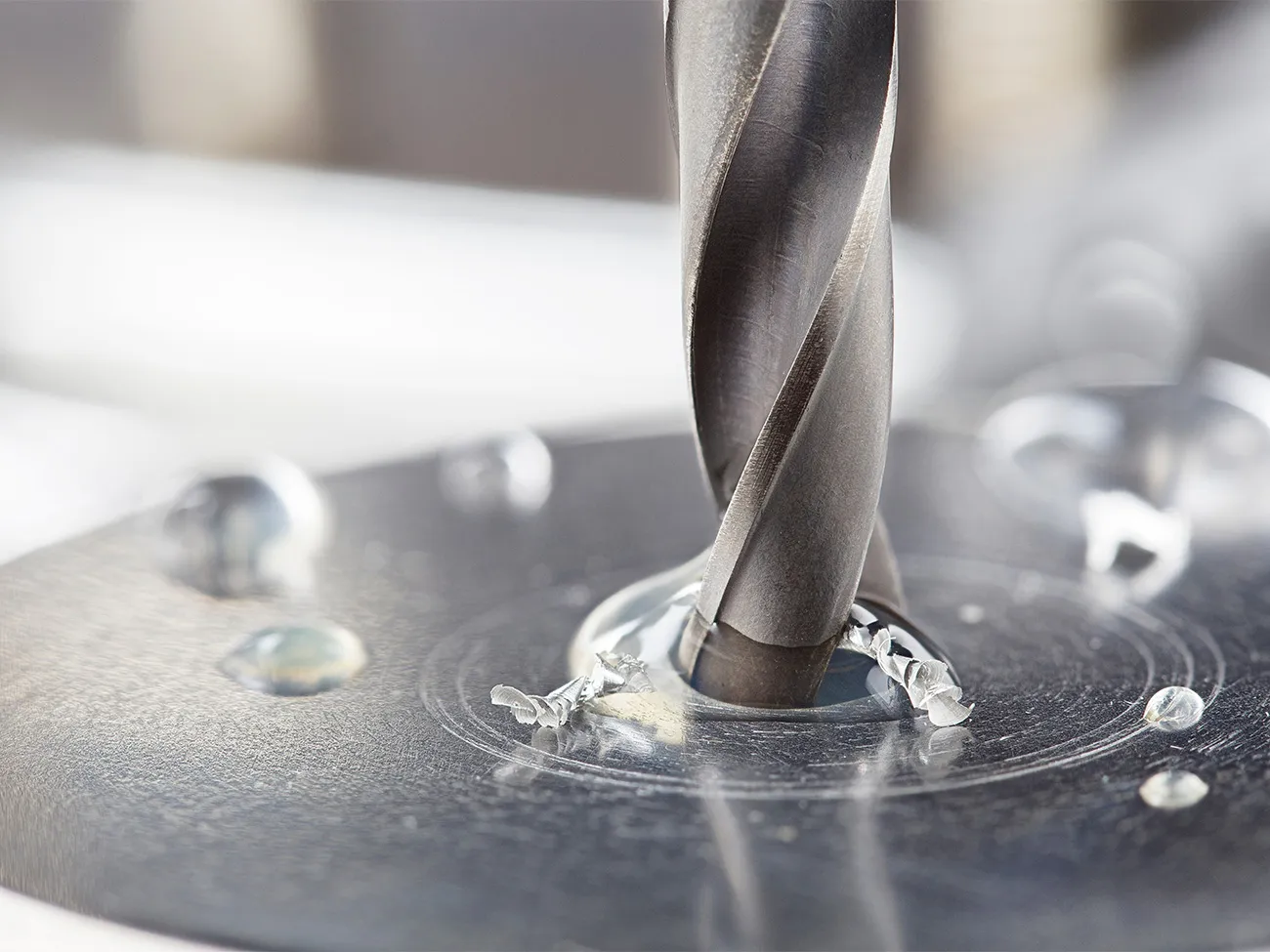
The relationship between OEMs and the manufacturing companies that supply them with components goes deeper than the standard e-commerce transactions we know. Price is not the only driver, and switching to a competitor is not so straightforward. In-depth knowledge of the customer’s products and processes, which contributes to improved manufacturability, a tailored logistics service, … these things cannot simply be automated. There is a need for reliable partners, whether for subcontract welding, sheet metal work, machining, heat treatment or powder coating… Can this relationship be turned into an e-commerce model?
The future will be more digital
Before the pandemic, everyone would have given an emphatic no. Today, doing business virtually feels comfortable. A second, more important pillar of this development is the potential of Industry 4.0 to open the door to more e-commerce opportunities. As artificial intelligence continues to grow in capability, will it one day be able to determine what should and should not be done? Where and when is the best choice? Could it become the backbone of a kind of Amazon for subcontractors active in the metalworking industry?
Greater efficiency and reliability
Machine manufacturers are already looking in this direction, aiming to make their machines more efficient, reliable and easier to programme. Features like these are already built into today’s machines. And what if we connected smart machines across the entire supply chain, from metal service centres to subcontractors? Those working together to supply the customer with the right part, assembled and packaged or not, in the right quantity and at the right time. Exactly what the new generation of customers expects, accustomed to ordering with a single click of the mouse.
Question about this story? Ask your question
Keep following this
Get an email when a new story is published. No account needed.
- ThemeBuilding a strong industrial supply chain
- SubjectSubcontracting