The effect of textures on friction
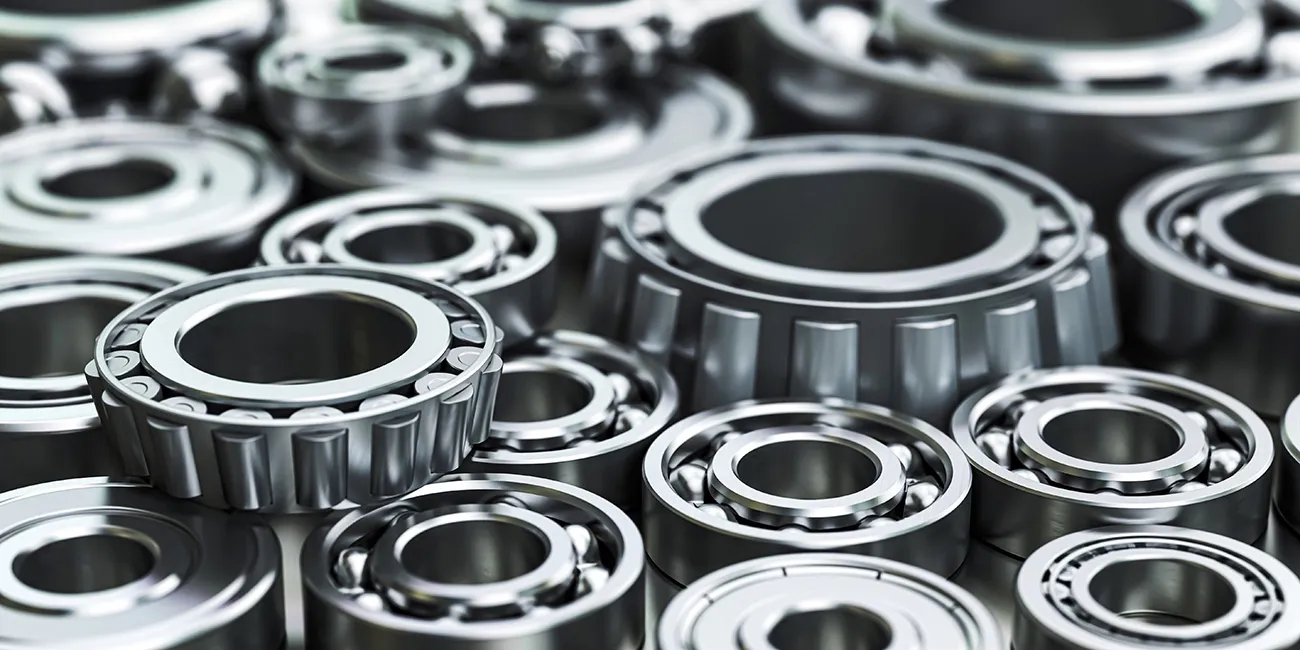
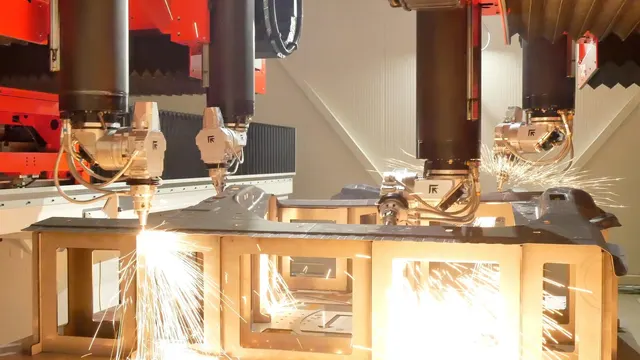
When two surfaces slide against each other, friction occurs. Friction and wear depend, among other things, on the roughness of the surfaces. This is a challenging subject to study because of the wide range of friction conditions and the complexity of the problem. New technologies, such as texturing with a femtosecond laser, make it possible to create microstructures that alter the frictional behaviour of surfaces.
Controlling friction in industrial applications presents an opportunity. Consider the energy losses caused by friction, the short service life of components subject to friction, or the difficulty of achieving sufficient adhesion. For these reasons, surface texturing to modify friction and wear characteristics has been the subject of numerous studies over the past ten years. Despite the interest in this topic, however, it remains difficult to understand the underlying reasons for the effects of surface texturing under certain contact and lubrication conditions.
A reduction of up to 62%
Research conducted in the Department of Mechanical Engineering at Imperial College London has shown that, under certain friction conditions, vertical structures aligned with the direction of movement reduce friction.
The effect of surface textures on friction was analysed experimentally using a converging-diverging bearing operating under different lubrication regimes. Textured patterns consisting of dimples of various shapes and orientations were assessed for their ability to reduce friction losses. Tests were carried out using several lubricants of different viscosities and a normal load. The results showed that friction could be reduced by up to 62% compared with a smooth reference surface.
Researchers at Sirris are also studying these phenomena. It was recently demonstrated that a particular texture can increase the speed of a plain bearing by 20%. A more in-depth research programme is currently being developed with the support of the steering committee for the COOCK SURFACESCRIPT project.
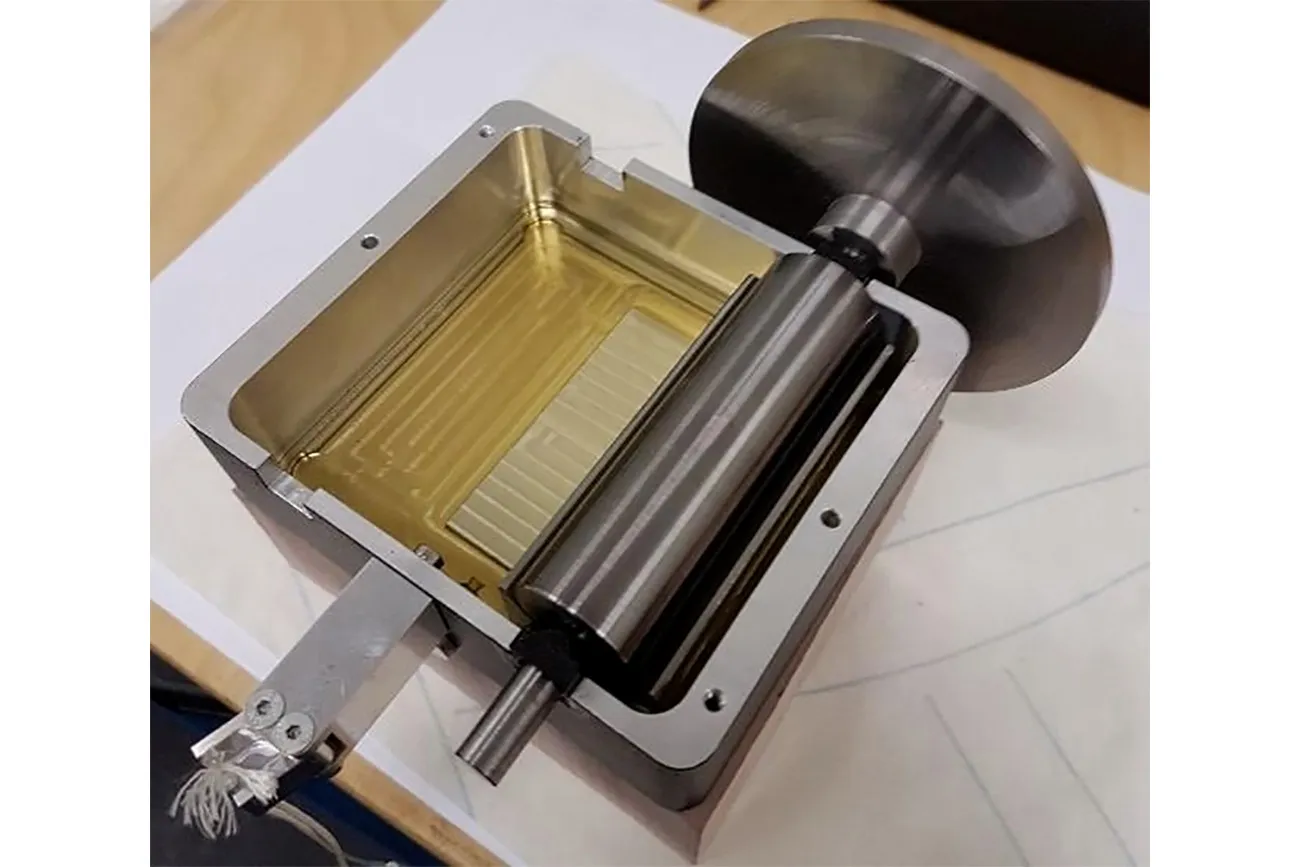
Study approach
Optimising a process often involves adjusting several parameters. How do you find the right settings? Which values will you test, and how many tests can you carry out? And the recurring question: “How does the result change when you adjust two settings simultaneously?” A search of the literature for surface modifications that reduce friction reveals that several factors are involved. What should the size and depth of these structures be, and what proportion of the total surface area should you treat?
These are the four factors (inputs). The measured friction force is the response (output). The following experiment aims to identify the texture that reduces friction force the most. For each factor, 2 to 3 values are selected based on published data. The following microstructures were selected:
- Round dimples or linear grooves (1 mm)
- A width of 20 or 80 µm
- A depth of 10 µm or 50 µm
- A total microstructure area of 5, 15, 50%.
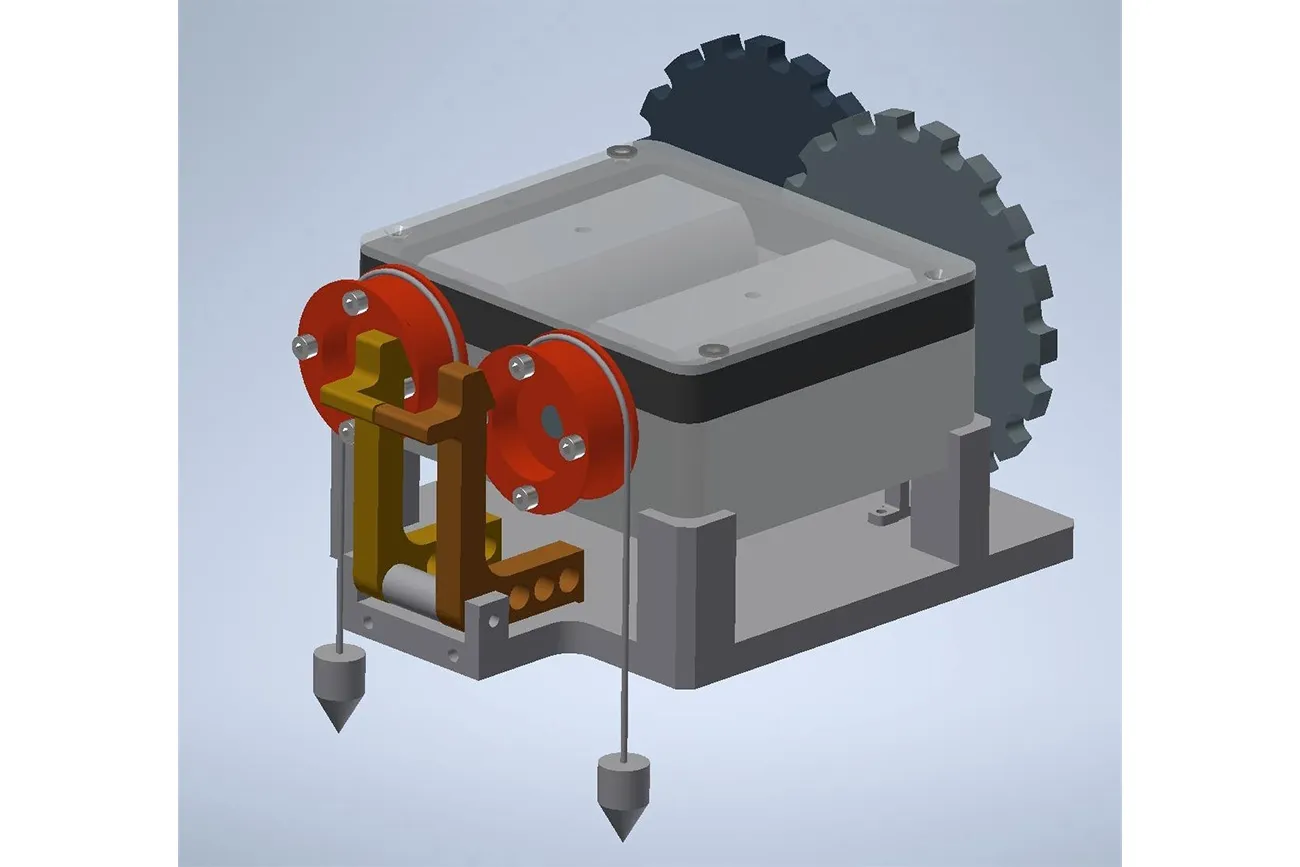
Test configuration
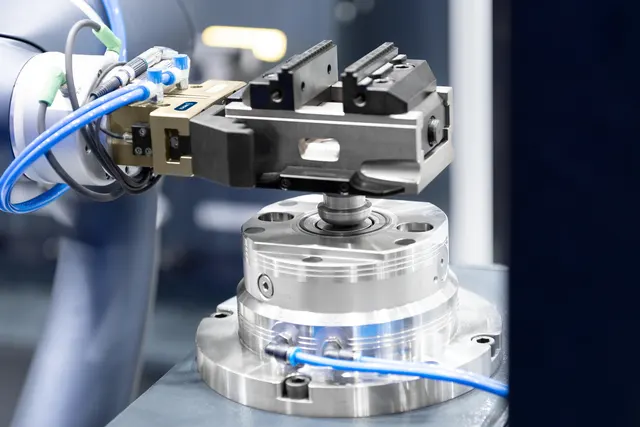
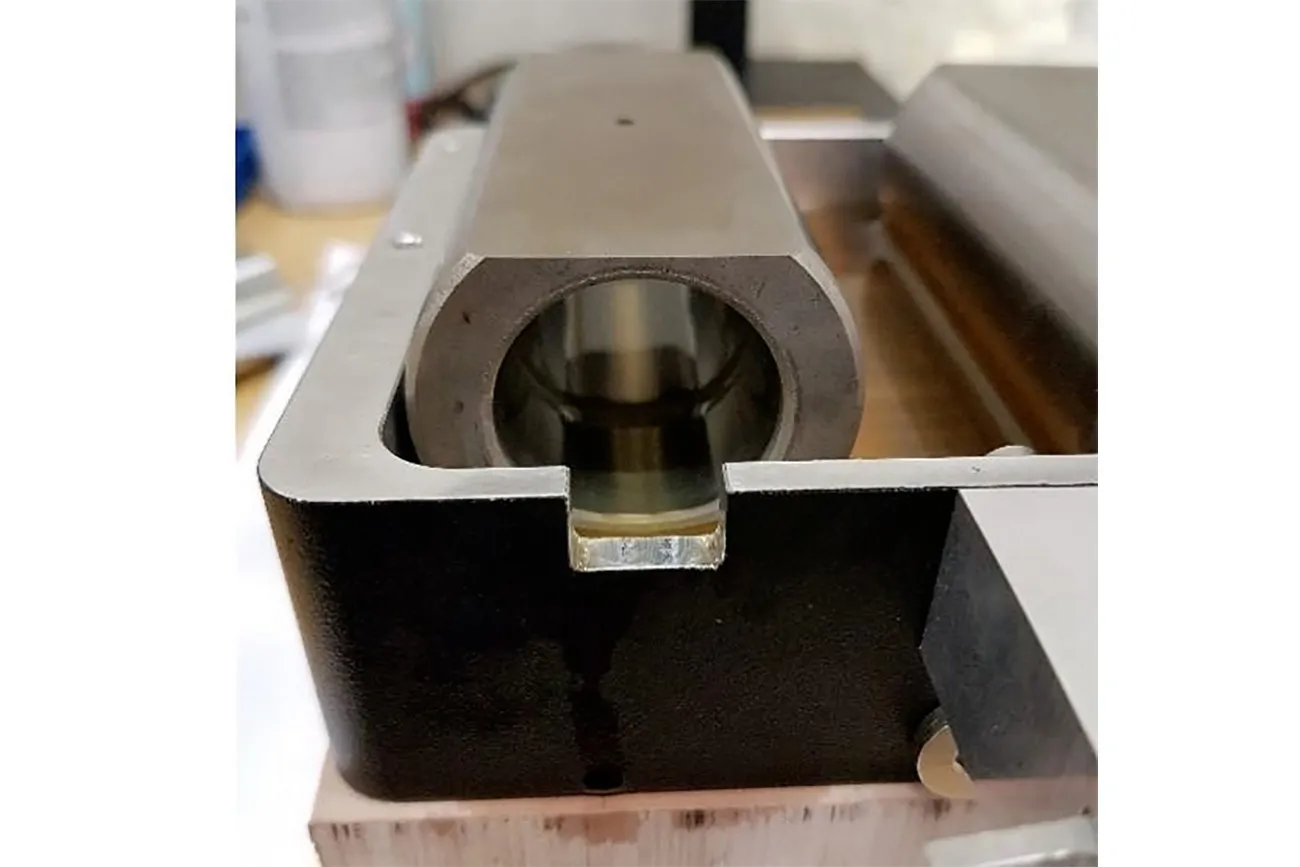
The textured shafts are mounted in cylindrical bearing surfaces immersed in an oil bath. A falling suspended weight (200 g, 1 kg) drives the shaft's rotation. Sensors track the teeth of flywheels mounted at the ends of the shafts to measure the time from standstill until a constant rotational speed is reached. Once the measurements have been taken, design of experiments (DOE) software is used to quantify the effects of the different factors. A mathematical model is used to find the optimum combination or trend among the combinations of factors tested. The results will be published in a forthcoming article.
Do you have a friction case at your company that you would like to investigate, or would you like to find out more about our research or activities? Contact Olivier Malek and Eddy Kunnen at Sirris!
Question about this story? Ask your question
Keep following this
Get an email when a new story is published. No account needed.
- SubjectNews