The intralogistics of tomorrow (and the day after)
Texte : Valérie Couplez Photos : iStock
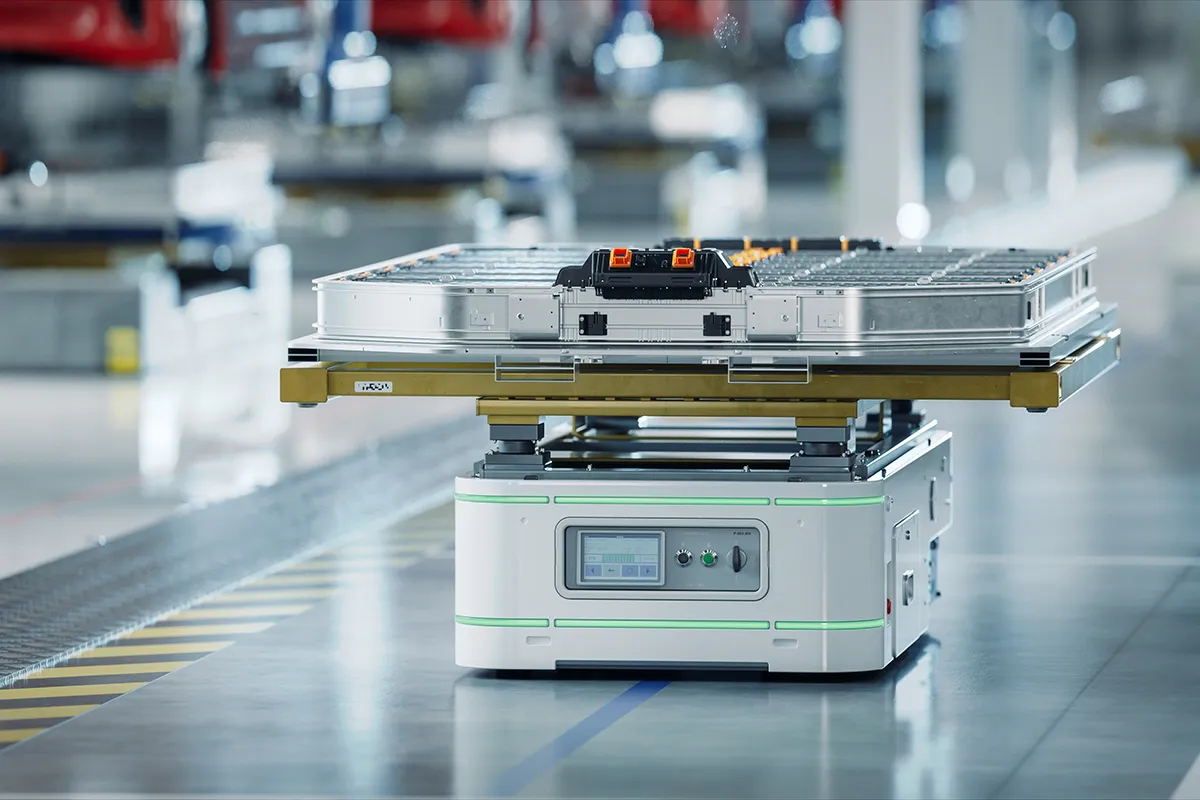
If asked at the start of the century what the warehouse of the future would look like, we might have said that feeding parts to machines and removing them would be fully automated. A quarter of a century later, the technology is mature. AGVs and AMRs are making this possible and have already proved their worth in major intralogistics projects. They are gradually making their way into the metalworking sector. We saw them in action at EuroBLECH, although they are already operating at production sites, generally metal-processing plants. Will they become indispensable in SMEs’ warehouses?
Looking at the logistics market as a whole, we can only conclude, despite everything that has been written, that warehouse automation is not yet the norm. Although its share is growing steadily and technology providers are delivering more projects and generating rising revenues, even the most optimistic estimates put automation of any kind at just 26%. Look more closely at applications involving AGVs and AMRs, and that figure falls below 10%. The potential gains from automation solutions in the face of labour shortages are nevertheless undeniable. What makes the threshold so high, and what needs to be considered to ensure successful implementation?

AGVs/AMRs and warehouse automation
Most people point to automated guided vehicles (AGVs) and autonomous mobile robots (AMRs) when thinking about the future of warehousing and materials handling. What sets the two concepts apart? AGVs are guided by wires, magnetic strips or beacons and perform various tasks, such as transporting materials from one place to another in the warehouse. AMRs, meanwhile, use a combination of advanced navigation technologies and machine vision (sensors and cameras) to perceive their surroundings and make real-time navigation decisions as they move their loads. The drive to integrate AGVs and AMRs into warehouse ecosystems is a trend fuelled by the explosive growth of e-commerce in recent years, combined with a tight labour market and the need to process orders quickly while reducing operating costs. Technology providers are responding to this trend in the metalworking sector too. Several manufacturers have launched models specifically designed to move sheet metal, long profiles or pallets carrying workpieces.
The warehouse automation landscape
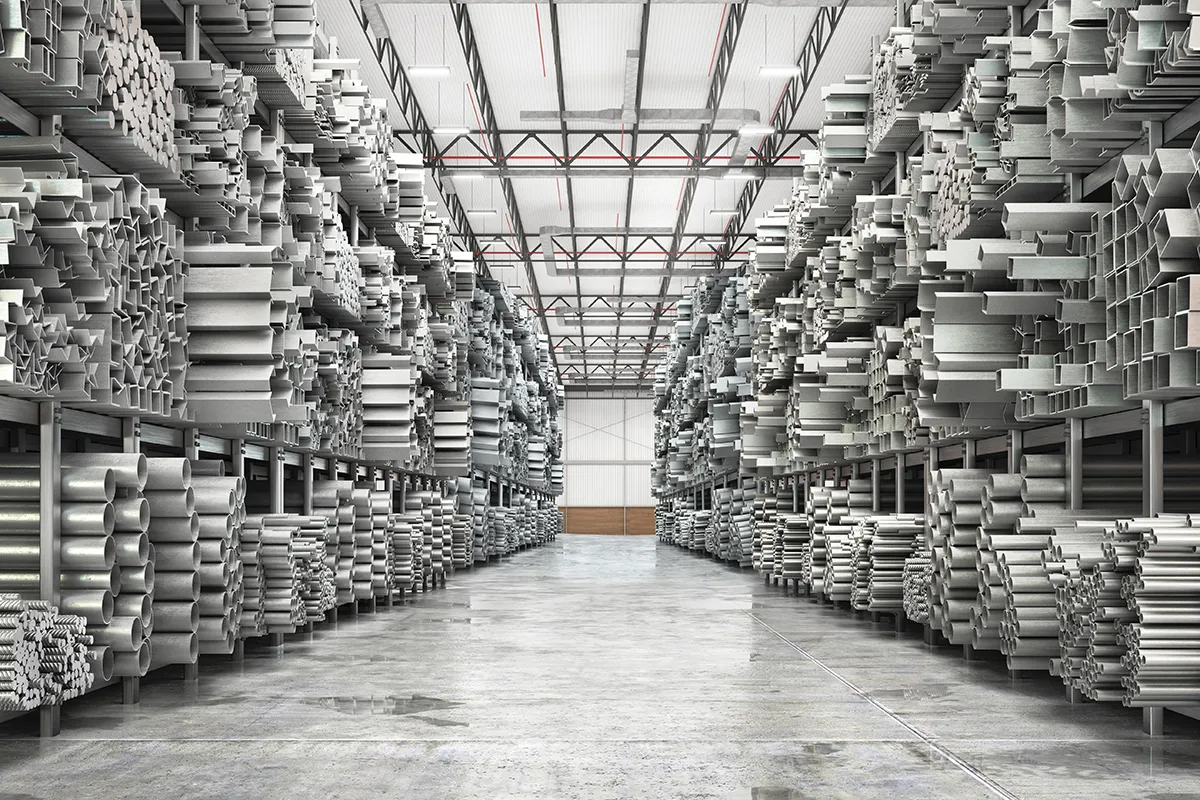
The warehouse automation landscape is becoming more dynamic as technology advances rapidly and competition to streamline operations intensifies. Among the few operations that incorporate some degree of automation, most rely on more “traditional” automation technologies such as conveyor systems, automated storage and retrieval systems (AS/RS) and robotic arms for picking, packing and sorting. These solutions are generally not compatible with the operations of metalworking companies. Automation is not limited to supplying raw materials and removing finished products, it also covers transport between workstations. AGVs and AMRs are often a compact and efficient solution.
AGVs/AMRs can be equipped with technologies for picking parts. However, several factors need to be considered to ensure they are used effectively in production.
Navigation and mapping
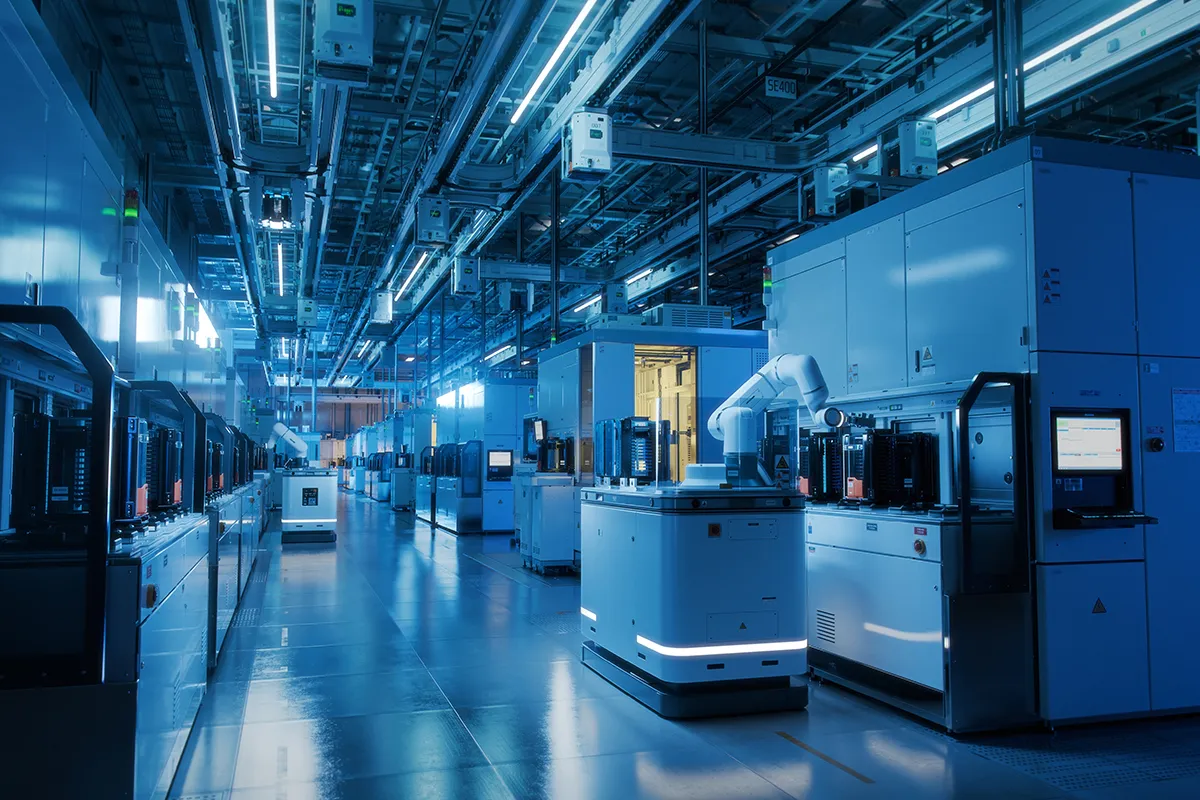
A common challenge for autonomous vehicles is navigating and accurately mapping complex, changing warehouse environments. Automated guided vehicles are equipped with advanced sensors, such as LIDAR, optical sensors and ultrasonic sensors, and algorithms to determine their position, avoid obstacles and navigate narrow aisles and areas around tall racking. The technology is mature enough to be deployed effectively in metalworking workshops.
Load capacity
Many people overlook the effect of weight on AGV/AMR performance. Automated guided vehicles must be correctly sized to meet load capacity requirements. If they are undersized, they may move more slowly and delay operations, cancelling out the benefits. In addition, if the programme involves loads of different sizes, routes must be planned to accommodate larger or wider loads, as AGVs/AMRs do not distinguish between load sizes. This is a particularly important consideration in metalworking, where loads can be heavy, and must be assessed in advance to ensure reliable, continuous operation.
Battery life
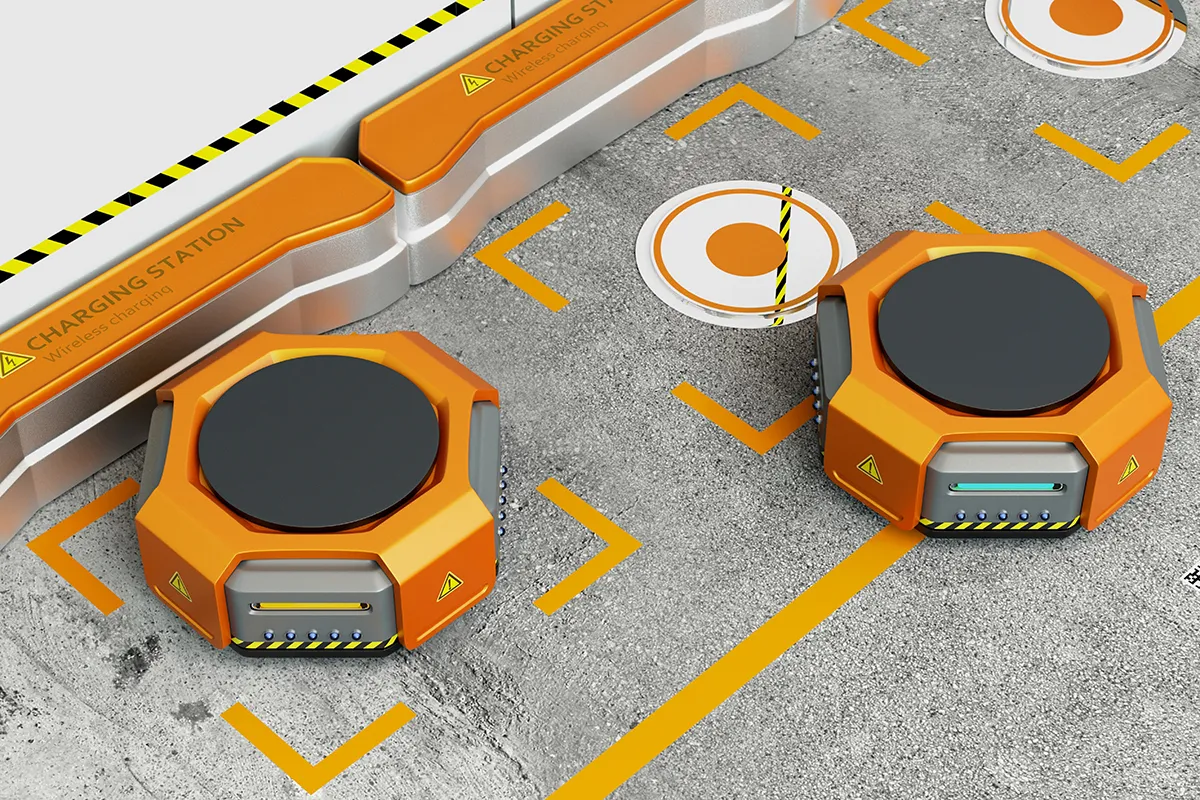
Despite significant improvements in battery life, and developments such as contactless/wireless charging and rapid charging, even the most advanced AGVs/AMRs are limited by the amount of energy they need to operate, which can cause disruption during operations. Charging must therefore be factored in from the system design stage, taking into account factors such as the size of the automated guided vehicle fleet and charging times to ensure uninterrupted operations.
Interoperability and systems integration
Integrating AGVs/AMRs into existing warehouse management systems (WMS) and workflows requires fleet management software. Automated guided vehicles must communicate seamlessly with the WMS, other robots and human operators to coordinate tasks and share data in real time. Too often, warehousing companies fail to align their digital solution platforms and communication protocols for these complex data exchanges.
Scalability and flexibility
As you will read below, investing in AGVs/AMRs can be substantial, including the additional hardware and software needed to operate them, such as chargers, software, manual control panels, QR codes and other navigation equipment. Systems must be scalable so they continue to deliver value as the organisation grows and changes.
High initial investment
In addition to the technical planning required to implement AGVs/AMRs in warehousing operations, the initial investment and operational disruption during installation must also be taken into account. Depending on the programme, introducing AGVs/AMRs into operations can require a considerable initial investment. The vehicles themselves must be acquired, along with the infrastructure they will use. This includes everything from charging stations and software to physical changes to the warehouse environment to accommodate the AGVs/AMRs.
Disruption during implementation
As might be expected, implementing an innovative technology such as AGVs/AMRs in warehousing operations will cause disruption as traditional methods are replaced by automation. Operations may need to be reconfigured, the system tested and staff trained in the safe use of the new technologies. Once the programme is up and running, a period of learning and adaptation will be needed to ensure smooth operation. Although AGVs/AMRs can pose a challenge for warehouse automation, significant gains are nevertheless possible with adequate preparation and an experienced automation partner.
Question about this story? Ask your question
Keep following this
Get an email when a new story is published. No account needed.
- ThemeProduction flow automation
- SubjectNews