The right surface treatment provides lasting protection for stainless steel
Texte : Luc Ophals Photos : Packo Surface Treatment
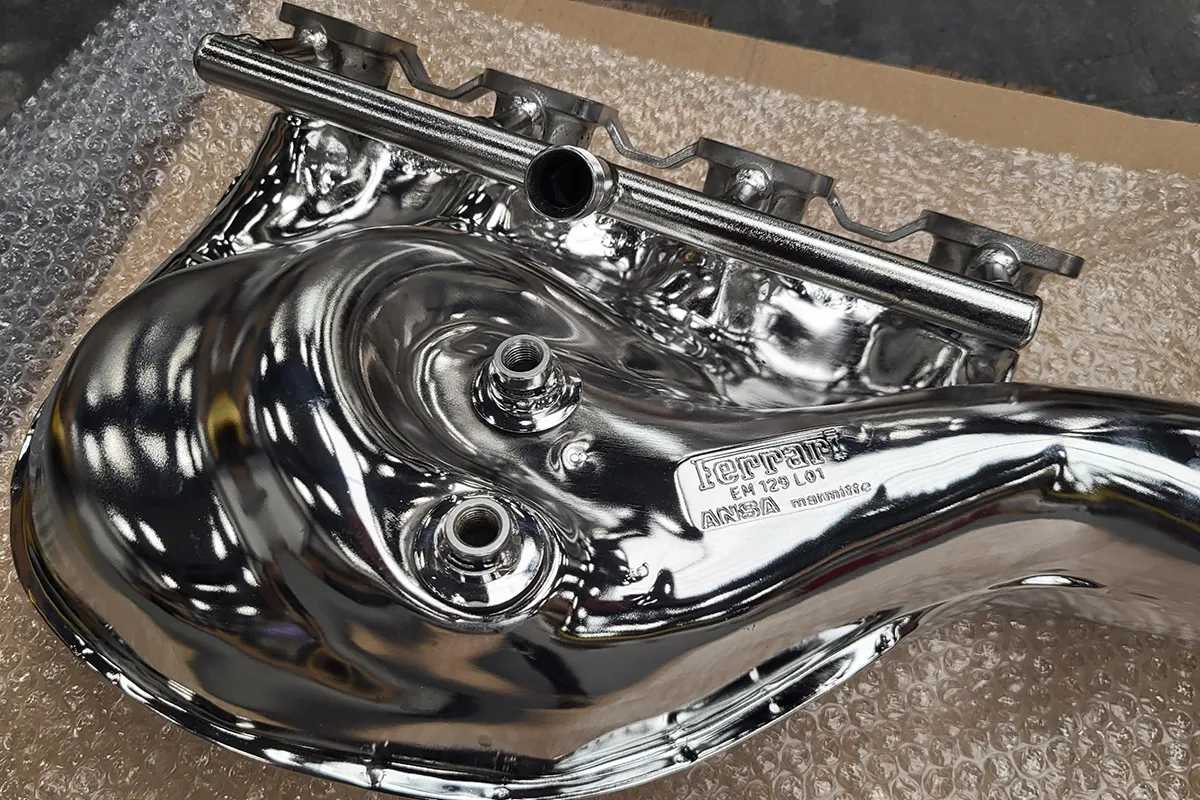
Poor surface treatment of stainless steel can cause serious problems in sectors that make extensive use of the material in their production processes, such as the food and pharmaceutical industries, to name just two examples. As a specialist in stainless steel treatment since 1974, Packo Surface Treatment is able to offer the right solution for each individual case. We take a look at the main electrochemical treatments with Piet Henrichs, business unit manager.
Difficult-to-clean surfaces, changes in flavour, surface corrosion, fouling, blockages, contamination, bacterial growth, fingerprints … these are just a few examples of recurring problems, particularly in the food industry. Over time, stainless steel equipment also needs to be refurbished and upgraded. Fortunately, stainless steel engineering has advanced considerably in its search for tailor-made solutions. Working closely with the various target industries, the specialist based in Diksmuide can offer a wide range of finishes suited to a broad variety of applications.
Electropolishing
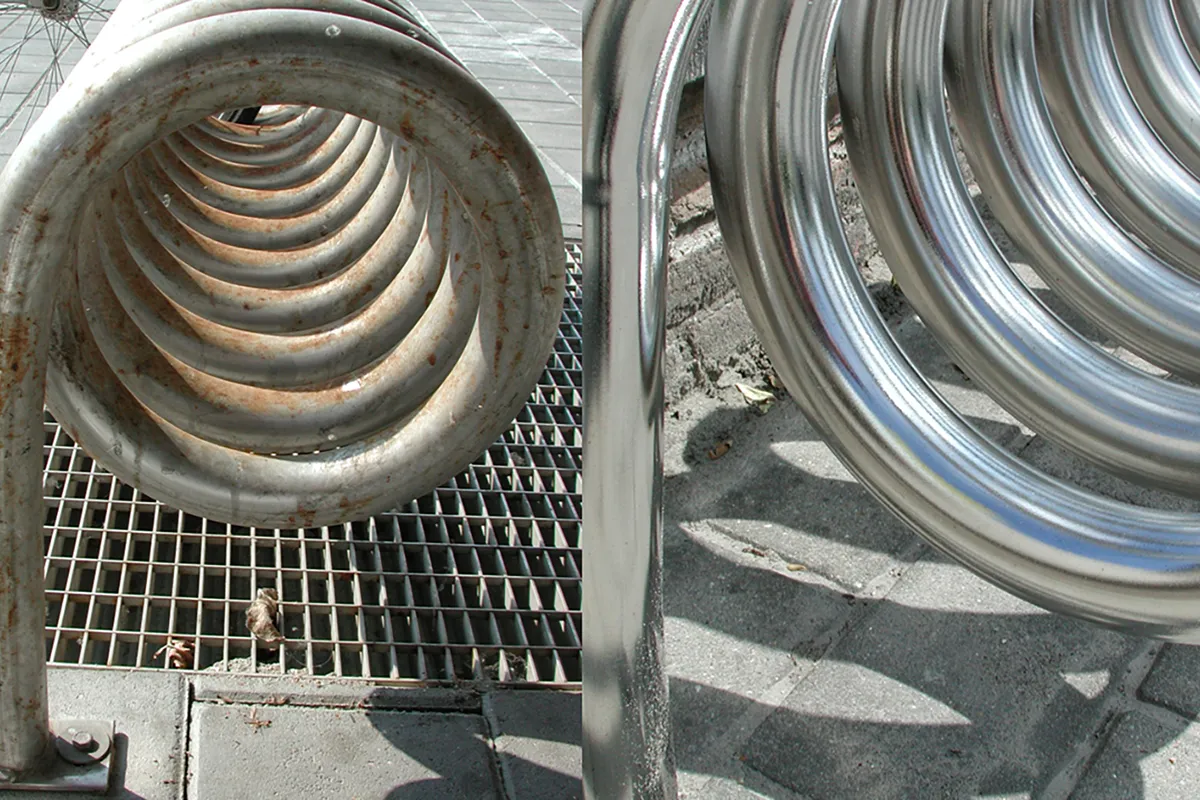
Most stainless steels contain more than 50% iron, around 1% carbon, and 17 to 18% chromium and 8 to 10% nickel. Corrosion resistance is due to the spontaneous but slow formation of a thin protective chromium oxide layer, which is often full of imperfections. In the electrochemical electropolishing process, the parts are connected to the anode in an electrolyte bath. When an electric current flows between the part and the cathode in the electrolyte, impurities and iron dissolve, increasing the chromium and nickel content at the surface. The higher chromium content promotes the formation of a highly protective chromium oxide skin. “Since we started out in 1974, electropolishing has been and remains our number one speciality. This electrochemical treatment improves corrosion protection, produces a smoother, denser surface, prevents changes in flavour and reduces the risk of fouling,” explains Piet Heinrichs.
Amorphisation
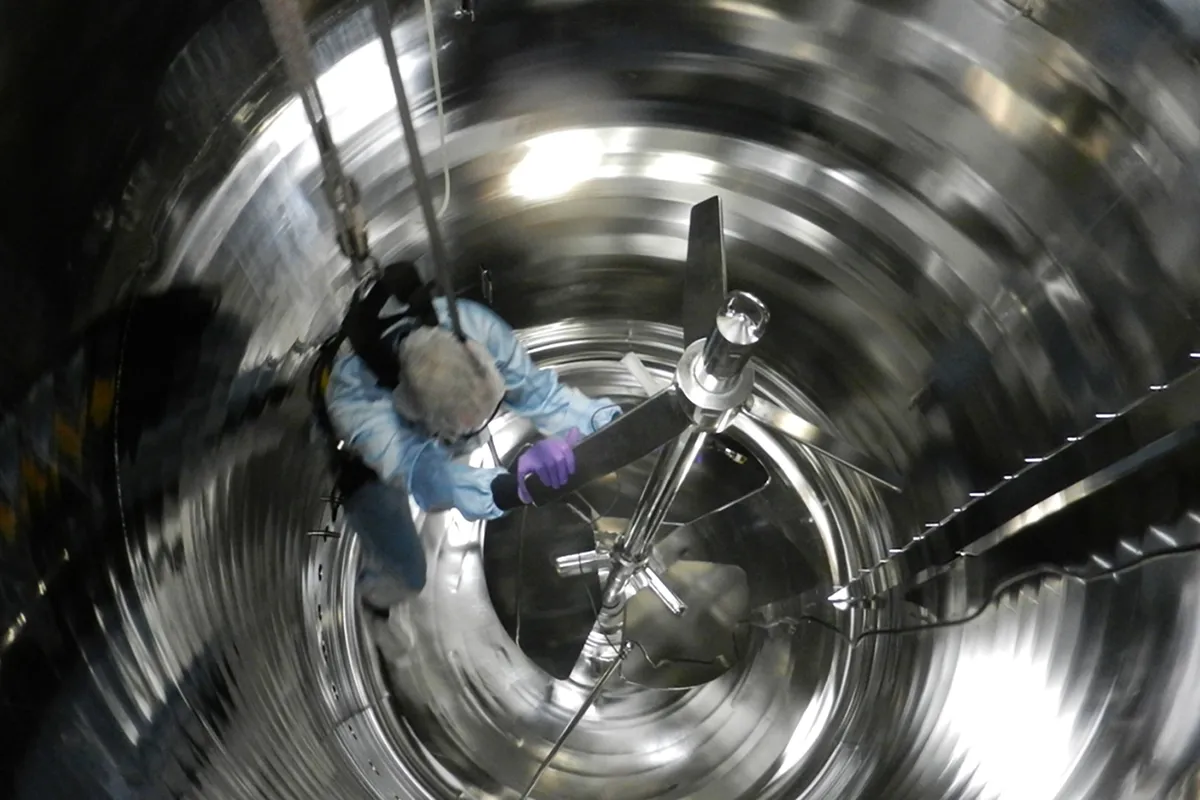
Metals, including stainless steel, have the typical structure of a crystalline material. This generally results in a relatively porous surface that readily traps contaminants. The combination of porosity and impurities promotes corrosion and/or bacterial growth. Electrolytic amorphisation, a variant of electropolishing, removes the porous top layer and creates a new, smooth, sealed “amorphous” surface. Typical applications include any situation where bacterial growth needs to be prevented.
Pickling and passivation
Chemical pickling removes all metal oxides, including the “dirty brown” discolouration caused by welding, as well as any surface contamination. Subsequent passivation promotes the formation of a protective chromium oxide layer, restoring the material’s original corrosion resistance.
Micro-waviness
This electrochemical treatment creates a sealed, micro-deburred surface with a wavy topography. As with electropolishing, the roughness peaks are rounded, but the underlying roughness is increased. Particularly well suited to powder-handling applications, the process creates an air-cushion effect between the powder and the vessel wall, improving flow and reducing friction. “Whichever solution is chosen, the surface remains the stainless steel itself. There are no coatings that could come loose and end up in food, for example, so there is no health risk,” says Piet Heinrichs. “Drawing on our expertise, built up in close collaboration with industry, we have also expanded our range of solutions to cover sector-specific requirements, always with a focus on sustainability and anticipating future standards. We are also certified to ISO 140001 and ISO 9001,” he adds.
Got a problem? Packo Surface Treatment is here to help
A solution is likely already available for most problems, whether it is to repair existing equipment or prevent issues in new installations. “If the problem requires a specific assessment, we can provide the customer with a quotation based on a drawing or photo and precise dimensions. However, customers wishing to entrust us with the assessment and execution of an electrochemical treatment for their stainless steel parts must ensure that their manufacturing process is 100% liquid-tight and easy to clean, as most of the treatments we offer involve immersing products in a chemical bath and therefore cannot tolerate even the slightest leak,” explains Piet Heinrichs.
Een zakelijke vraag aan Packo Surface Treatment? Get in touch
Companies in this story
Keep following this
Get an email when a new story is published. No account needed.
- ThemeSurface quality control
- SubjectNews
- CompanyPacko Surface Treatment