What’s happening in laser cutting?
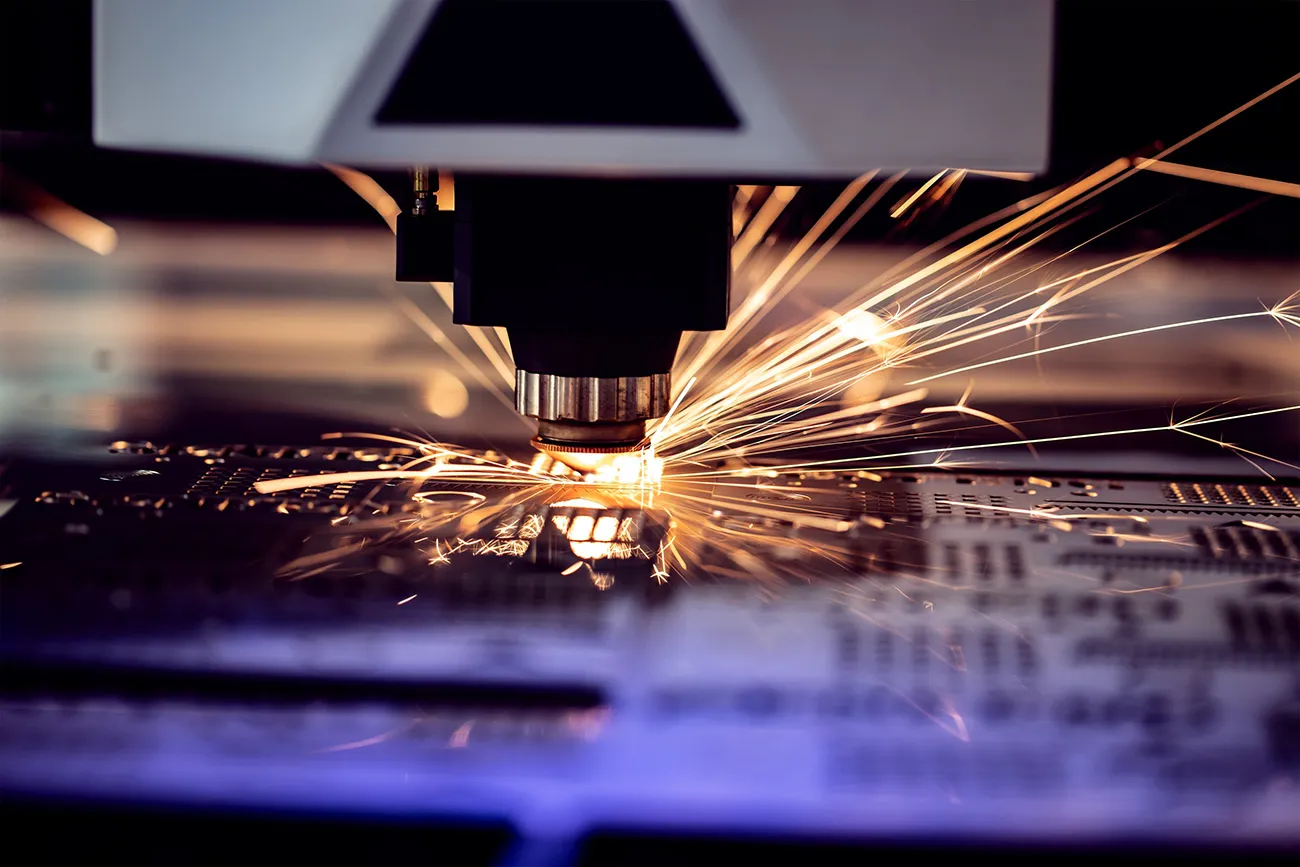
What’s happening in laser cutting? The start of the year is always a good time to look ahead. You’ll soon be able to see the latest sheet metalworking technologies for yourself at the Machineering trade fair, but we’re already pleased to give you a preview of what’s happening in the laser cutting machine market. After all, laser cutting machines remain the ‘weapon of choice’ for most metalworkers when cutting their parts. What trends can you expect to discover at the trade fair? Here’s a sneak preview.
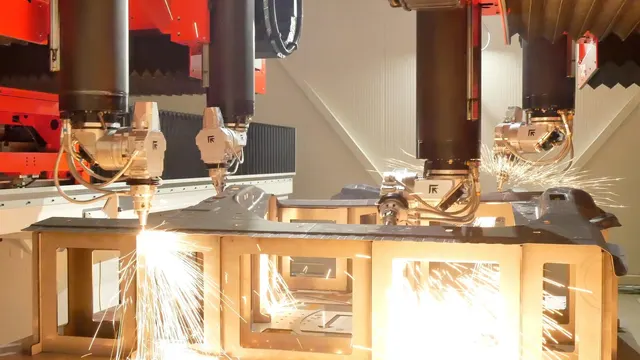
Bigger is better. The sheet sizes preferred by industry are getting larger and larger. Inevitably, the machines used to process them also need larger cutting tables. Flatbed laser cutting machines with tables up to 8 m long and 2.5 m wide are now available. Custom-built machines can be even larger, and projects of this kind are becoming more frequent too. Demand for larger sheets has always been there. But today, volumes are high enough to justify the investment in larger machines. This is part of a trend towards larger, seamless material surfaces, for example in the construction and shipbuilding sectors. This reduces welding work and increases the scope for prefabrication. At the same time, it allows more efficient nesting in-house. In other words, everyone wins.
More variation in the laser beam
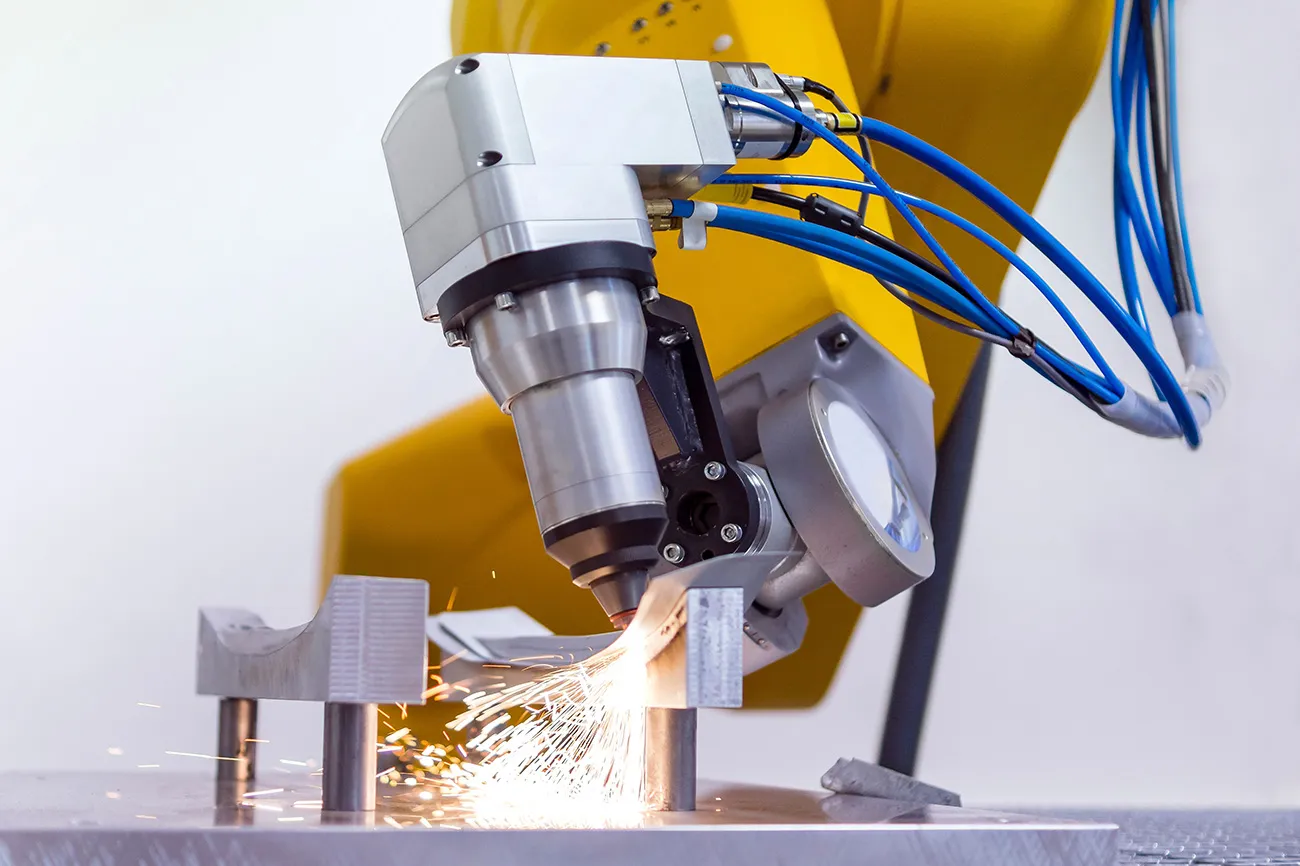
In recent years, a range of technologies have been introduced that allow users to adapt the laser beam to the material on the cutting table. Each manufacturer has its own patented technology and name for it, but the principle is the same in every case: focal points of different sizes can be set, creating a beam with an inner and an outer core, whose intensity can be adjusted. This has proved a highly useful tool for piercing thick materials with a tightly focused beam, then gradually opening up the material by directing energy towards the outer core, to produce a cut of sufficient width.
An interesting technique for thicker materials, certainly, but also for materials that are otherwise less easy to cut, such as mild steel. It has further expanded the scope of laser cutting technology, particularly in the construction industry, where it can cut slots in structural beams for easy assembly, like a Meccano set. Systems are even being developed to take this technology to the construction site.
The race for power
Anyone working in laser cutting could have added the growing demand for more power to this list of trends. Laser sources are becoming increasingly powerful. Systems exceeding 20 kW are already on the market. The reason is clear: they boost productivity, particularly when processing thicker materials. Laser cutting machines can now cut materials up to 50 mm thick.
Yet it seems the race may be quietly nearing its end. For some time now, cutting itself has no longer been the bottleneck. The challenge is now to remove parts from the skeleton and the table just as quickly. So if most of the material processed on the cutting table is relatively thin, there’s certainly no need to seek out extreme power. The race of recent years has made mid-range power outputs (8 to 12 kW) much more affordable. Prices have fallen considerably, so anyone who needs an 8 kW laser can probably already afford a 12 kW one. And in that case, the gains in productivity and flexibility are still well worth having.
Smarter optics technology
Laser sources aren’t the only components to have become more powerful and less expensive. The same is true of the optics technology inside laser cutting machines. Laser cutting heads are a case in point. Here too, higher power ratings are now the norm, typically around 15 to 16 kW. So when thicker material requires more power, the machine can genuinely deliver it.
In addition, laser cutting heads have gained the intelligence they need in recent years. The advanced vision and optics technology they contain makes it possible to give them the precision that robots, for example, sometimes lack. This makes them easier to integrate into automation solutions.
Greater flexibility
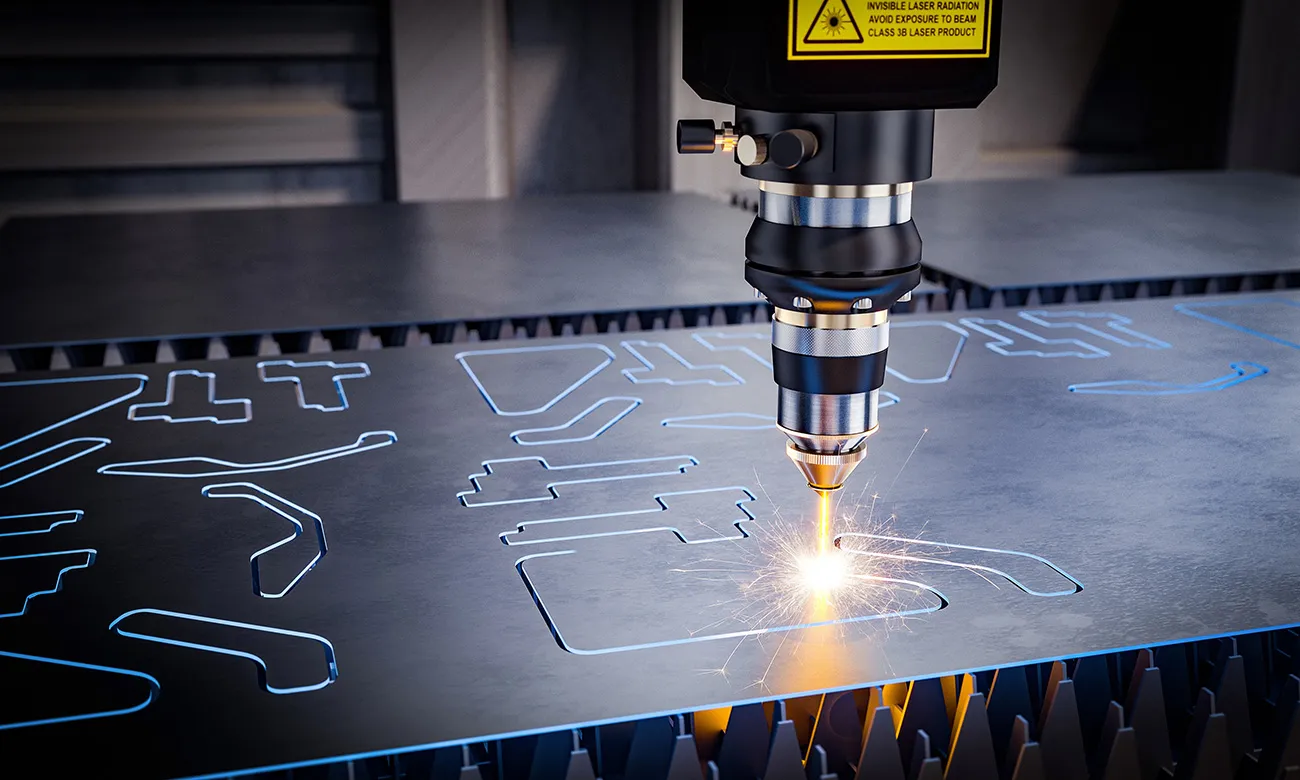
Metalworkers are increasingly aware of the benefits laser technology can offer in producing flawless products. Its uses go beyond laser cutting alone. The same fibre laser source can also be used for welding, cleaning and marking. A laser cutting machine that also marks the correct serial number on the sheet metal straight away: it’s possible.
Flexible laser cells combining all these operations are also being considered, for example in battery production. Rather than using a long assembly line that can bring the whole factory to a standstill if something fails along the way, three or four cells operating independently provide greater continuity. Add automated guided vehicles to transport parts to and from the cells, and you have a fully automated solution.
At the same time, technologies other than fibre lasers are still being explored. Staying with batteries, blue diode lasers and green disk lasers have already demonstrated the added value they can bring when working with reflective materials such as copper and aluminium. But their applications will be limited to specific niches. Anyone who only encounters these materials occasionally in their workshop is better off sticking with a fibre laser source.
Question about this story? Ask your question
Keep following this
Get an email when a new story is published. No account needed.
- ThemeSheet metal and tube cutting
- SubjectNews