Trends in CNC machining
Texte : Valérie Couplez Photos : iStock
Today, the world of CNC machining no longer needs earth-shattering revolutions. Yet it remains in a state of constant change. Those who keep their eyes open can spot small changes that will become tomorrow’s trends. The better you adapt your business to these changes, the brighter the future will be.
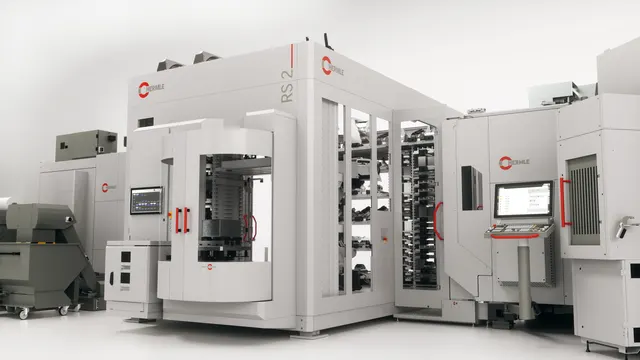
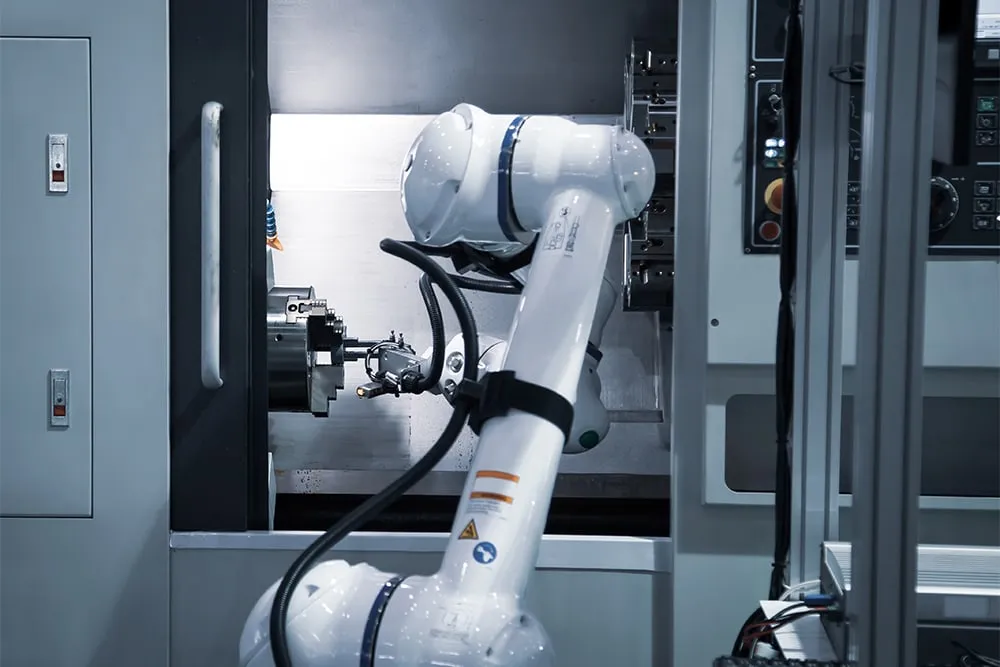
Automation and robotics are becoming increasingly widespread. Why? Because the technology is getting better and is starting to pay off, even for smaller or more complex production runs. Because it is a good way to cut costs: labour is expensive in Belgium. And because we are feeling the skills shortage acutely throughout Western Europe. Anyone looking to expand will find it easier to find a robot than a skilled turner or milling machinist. And thanks to advances in technology, programming a robot takes far less time than training an inexperienced person to operate these machines. That is because intuitive features have become part of automation technology. It all feels familiar because we use it in everyday life, on smartphones and in games, for example. What is more, you can significantly increase the spindle utilisation of your machine fleet if you let machines run unattended for longer periods overnight or at weekends. Automation and robotics can also have an impact on your production.
Keep a close eye on the economy
A year ago, the forecast was that, uncertain as the economy might be, it would not cause any significant slowdown in the CNC machining sector. Admittedly, some markets are seeing orders fall or activity slow, but the impact remains limited for now and is not widespread. Admittedly, we have yet to feel the impact of some major closures, including Van Hool and Audi, on the network of metal subcontractors that had grown up around them. We are all hoping for a “soft landing”, with positive economic prospects that are closer to reality than they were last year. This looks more like a reset than a potential plunge off a cliff. One of the most marked differences compared with previous years is interest rates. The question of whether an investment is justified is now being scrutinised closely, with money having become much more expensive. But this is also where the barometer lies.
Don’t put all your eggs in one basket
Some industries are thriving and have bright prospects ahead. Take the production of electric vehicles and batteries, for example. Although sales are currently below expectations, companies continue to invest in this transformation. Car manufacturers and suppliers have always been on economists’ radar. However, economists are paying even closer attention to how they will make the transition to electric cars. What opportunities for growth will these changes create? And how can your machines make a difference in this market? What other promising markets are counting on CNC machining to succeed? The metalworking industry is diversifying rapidly.
Dare to look further afield
The industry will continue to feel the impact of CNC-machined parts from China and elsewhere. However, opportunities are multiplying as more markets stabilise and the backlog shrinks. Although production companies currently have less work, for most of them it has not fallen to problematic levels. What matters is that they have the processes and skills needed to handle the work that comes their way efficiently. To do that, they need to look beyond their own backyard and across national borders.
Artificial intelligence
The final word goes to artificial intelligence. It may be less prominent in machining than in other sectors. However, the possibilities are so impressive that every factory should keep a close eye on the relentless advances. In the workshop, the use of AI tools will only increase. Experts believe 2025 will be the year AI makes its breakthrough in CNC controls. So it is important to be ready. That does not mean AI is not already being used in CNC workshops, but in production, the best is certainly yet to come.
Question about this story? Ask your question
Keep following this
Get an email when a new story is published. No account needed.
- ThemePrecision and productive machining
- SubjectMachining