A roadmap to the subcontracting of the future
Delivering parts of the right quality at the right time. That is the essence of subcontracting, a discipline that Ypres-based Stevens Punching has mastered to perfection. Although the company weathered the coronavirus pandemic well, it has still been considering how it can add even more value for its customers in the future. Nicolas Stevens, co-manager, who now assists his father Peter Stevens with the day-to-day running of the business, explains what they want to achieve.
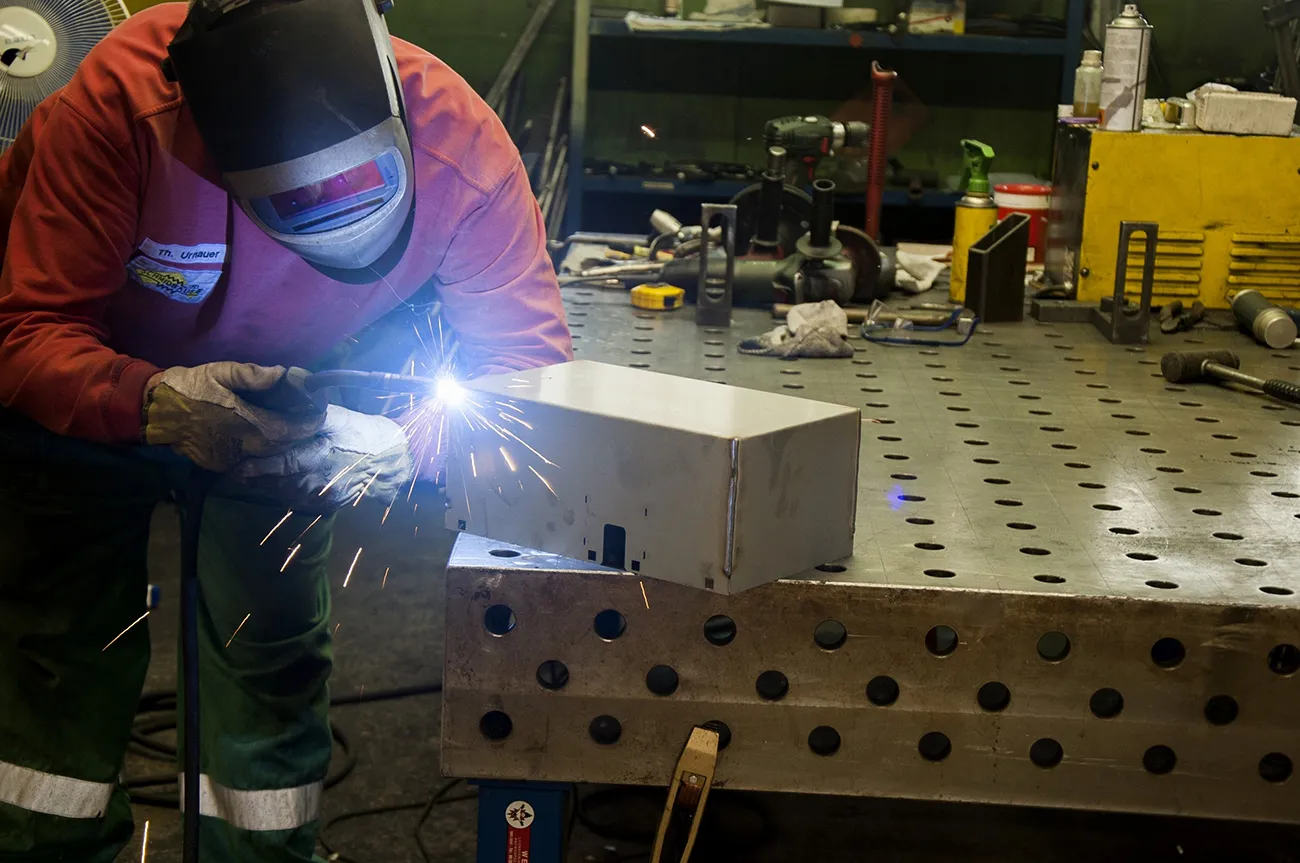
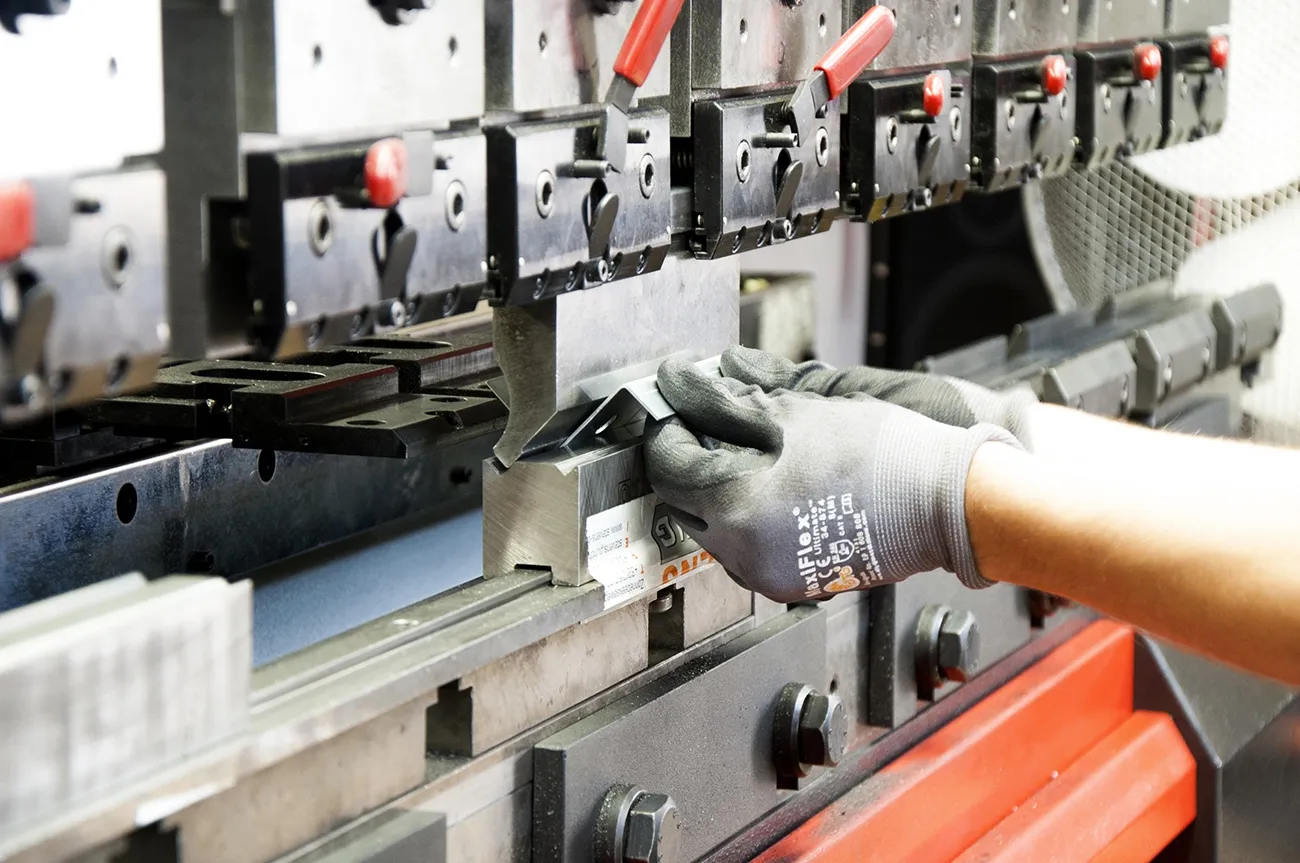
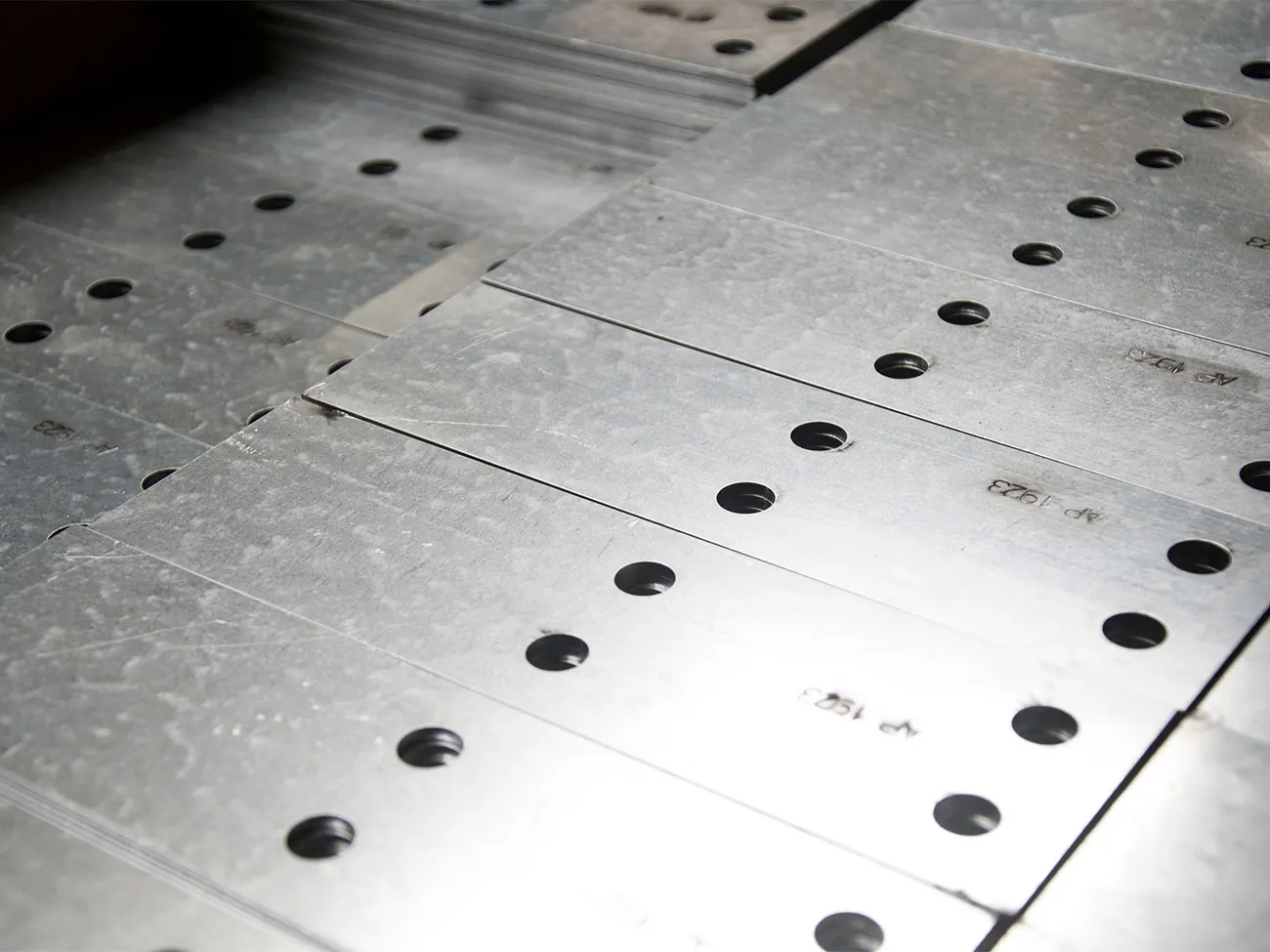
Stevens Punching has been a subcontracting pioneer since the 1970s. Today, the company remains at the forefront of custom industrial sheet metal work for its customers. A state-of-the-art machine fleet and an enthusiastic team of more than 30 employees ensure quality across punching, laser cutting, bending, welding, powder coating and even assembly.
Stevens: “However, we must not rest on our laurels. Today, we have a good team, a mix of experience and young talent at every level, from the workshop to management. That is why we got together during the coronavirus pandemic to consider who else could benefit from our sheet metal expertise, in addition to the traditional sectors that already know us.”
Taking the workload off customers completely
A strategic exercise underpinning Stevens Punching’s roadmap to the subcontracting of the future. “Our turnover has risen from €4.5 million to €12 million despite all the challenges we have faced, and continue to face, as a company. We want to maintain this growth in the years ahead by diversifying further into the sectors we serve. In doing so, we want to move from being a simple subcontractor to becoming a reliable, long-term partner. We want to draw on our knowledge and experience to see how we can help optimise our customers’ production processes. For example, by considering how to make parts easier to manufacture, but also by adapting our logistics to their needs. The ultimate goal? To create an interaction that takes as much of the burden as possible off our customers.”
Increasing capacity
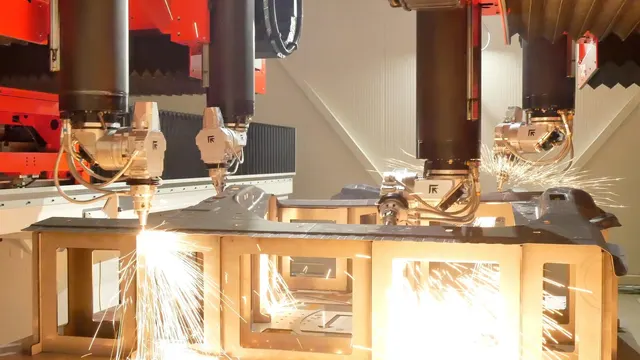
For Stevens, that starts with creating sufficient capacity in the workshop. “This gives us the flexibility to process large volumes in a short time, even when the parts are complex. My father has already laid the groundwork in recent years by focusing on extensive automation of laser cutting. We now want to build on this experience by investing in greater capacity and autonomy,” Stevens explains.
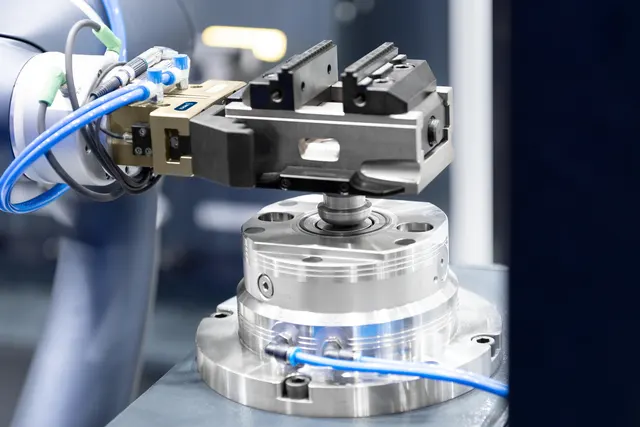
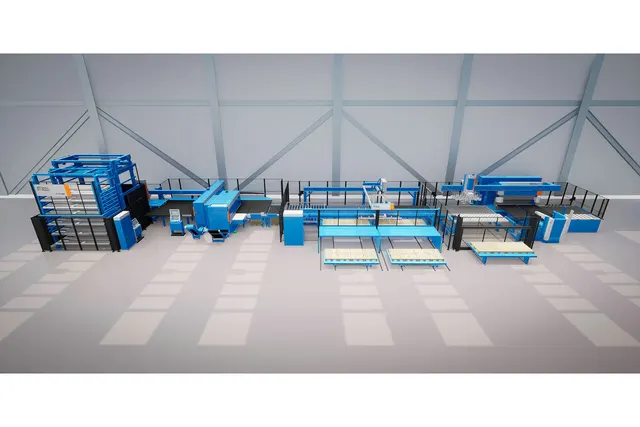
The first sign of this will soon be visible: a 12 kW fibre laser cutting machine from Bystronic. A year later, it will be connected to an automatic sorting system that will place all the cut parts on the correct pallet. “This will double our cutting capacity and allow us to consider new materials and thicknesses at the same time. We took the same approach before adding a welding robot and cobot in 2021 and 2022 respectively, which enabled significant growth. As a subcontractor, you always have to anticipate and stay one step ahead. You need to be ready before customer demand actually materialises,” says Stevens.
Competitive prices and competitive delivery times. A second guiding principle for Stevens Punching’s future is therefore a commitment to digitalisation.
Stevens: “Given the growth we are experiencing, it is no longer possible to do everything by gut feeling. We need to bring order to the chaos. We are currently working on our own in-house platform, which brings together data from all departments in one clear system, complemented by an additional production planner. The aim is to determine how many hours of laser cutting, punching, bending and welding will go into the parts over the coming months. This will allow us to continue offering the same competitive prices and delivery times. It is important for every customer that we can predict exactly when their parts will be finished and delivered. That is where added value begins. Customers need to be able to rely on us to process everything they entrust to us correctly.”
Question about this story? Ask your question
Keep following this
Get an email when a new story is published. No account needed.
- ThemeBuilding a strong industrial supply chain
- SubjectNews