Simple tips for perfect deburring
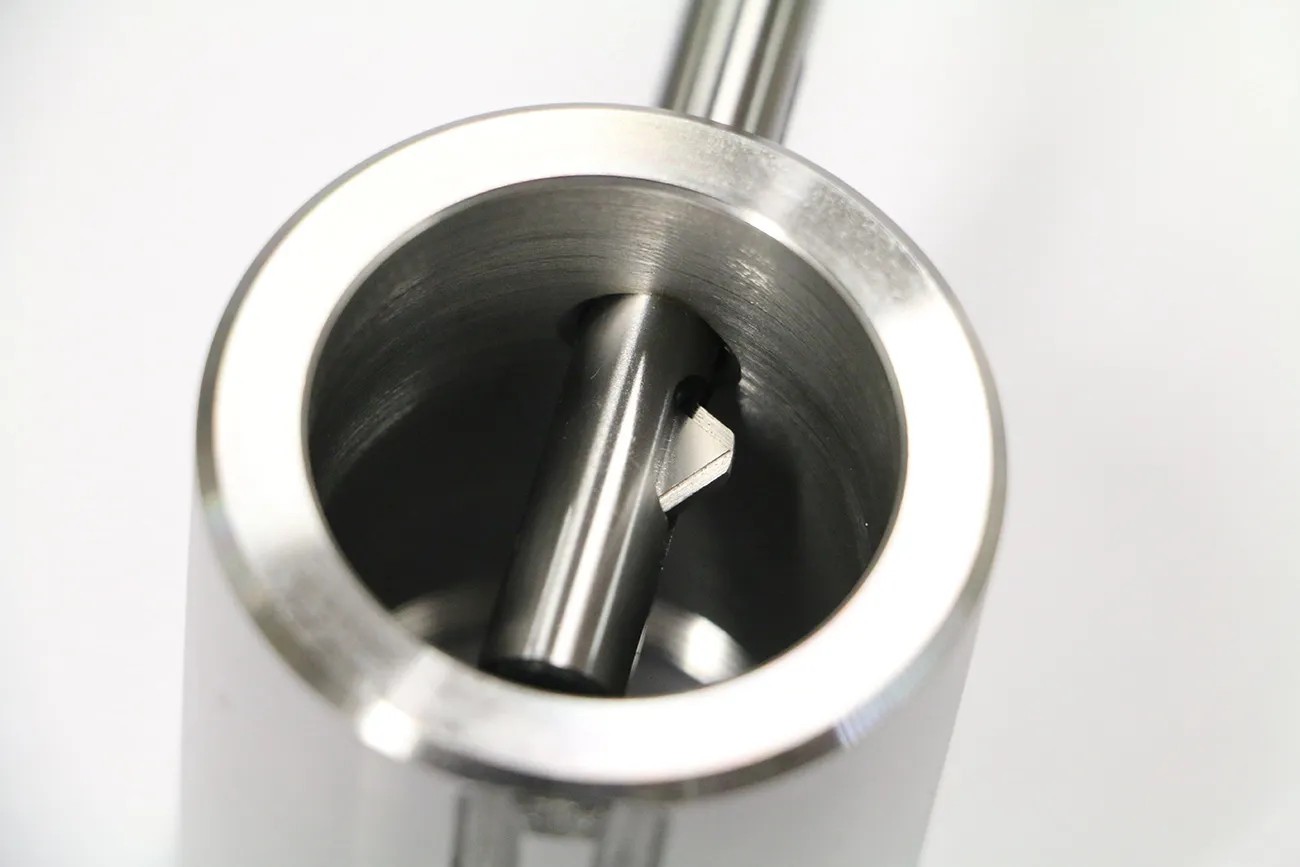
Deburring removes small imperfections from metal parts to produce perfectly finished products. It is not carried out for aesthetic reasons alone: burrs can also affect a part’s functionality, service life and safety. There are several ways to deburr parts. Manual and mechanical methods are the most popular, but thermal or electrochemical processes can also be used for hard-to-reach areas. In this article, we offer four simple tips for achieving a perfect result.
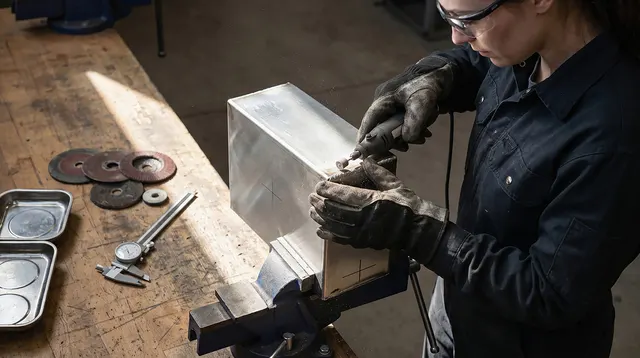
Today, most workshops still rely on manual deburring. Once parts come off the machines, an operator finishes them straight away so they are ready for the next stage. However experienced your operator may be, they will never match the speed and consistent quality of an automated deburring system. What’s more, manual deburring takes a great deal of time and effort, affecting productivity. The finish can also vary considerably from one deburred part to another. Not to mention the risk of physical injury, either in the short term from the sharp edges of burrs or over the long term from the repetitive movements involved in deburring. It is therefore high time to consider automated solutions, especially if you want to improve the efficiency, consistency and safety of your deburring processes. Deburring machines work faster and deliver the same smooth, uniform finish on every part. In some workshops, introducing a deburring machine has doubled the number of parts processed per shift.
Use cutting fluids
Cutting fluids are specialist lubricants developed for metalworking. They can be a useful addition to deburring, helping to control friction and heat generation between the metal and the deburring machine. Deburring machines can generate large amounts of heat during prolonged use, which can be difficult to dissipate using air cooling alone. To prevent friction, operators then stop the machines. Cutting fluids can be an effective alternative, as they act as both lubricants and coolants, allowing deburring operations to run for longer. They also let you increase the process speed, making each part quicker and more cost-effective to process.
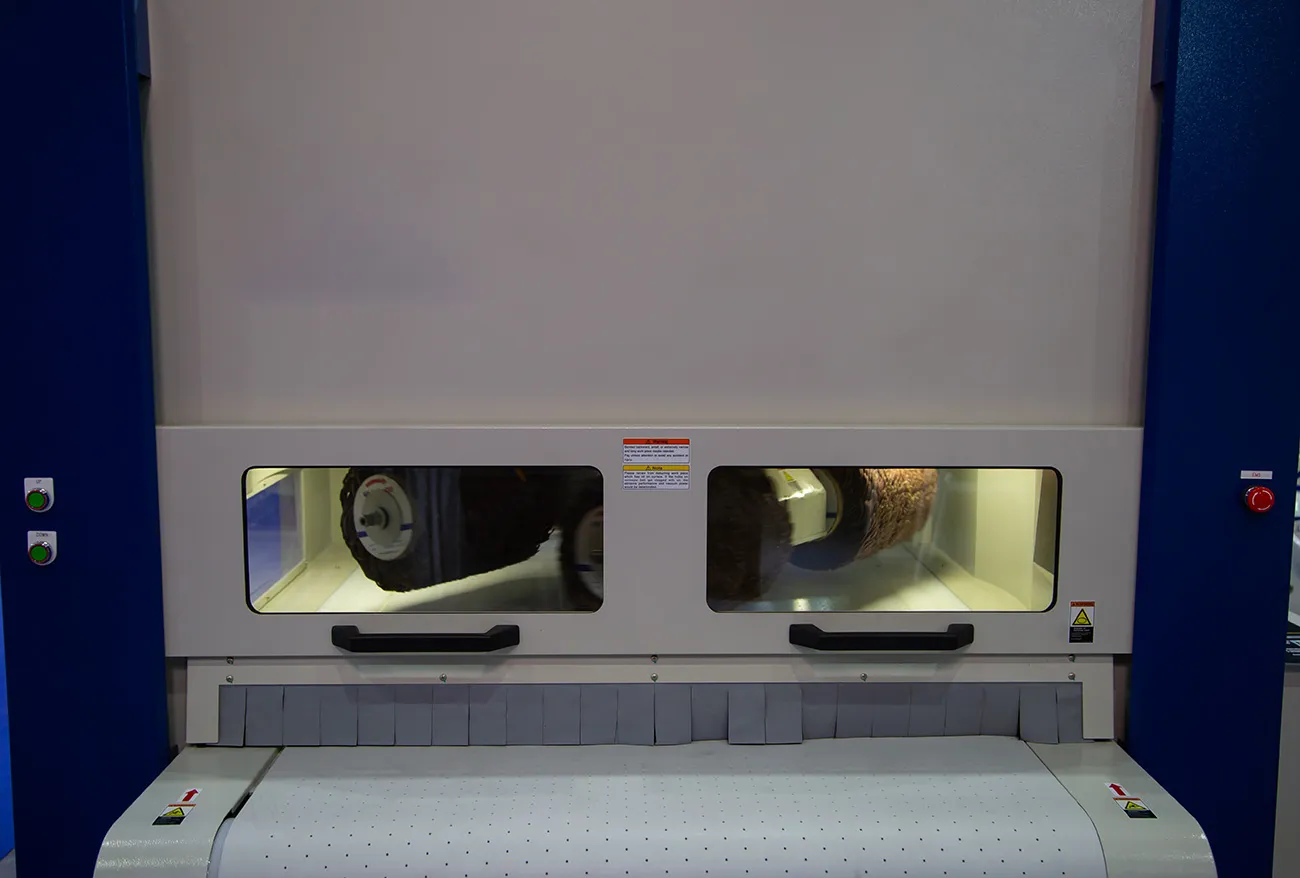
Use a rotary brush on metal parts with a surface coating.
If you process a lot of metal parts that have been laser-clad or have a surface coating, such as zinc, you will already have noticed that deburring can damage the surface. Rotary brushes can help in these cases. Deburring machines fitted with these brushes produce a uniform, burr-free finish, even on the edges of laser-cut, punched or machined parts with such a coating. This, in turn, can improve the efficiency of your deburring processes.
Deburring and finishing in one operation
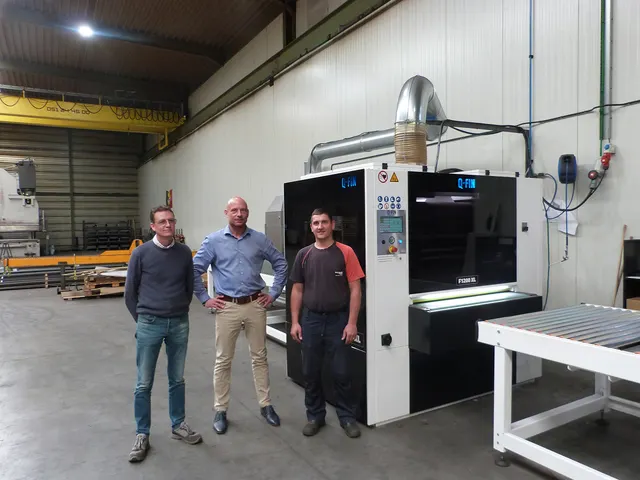
Finishing processes such as deburring and polishing do not have to be carried out separately. Those who opt for an automated solution can have both tasks performed at the same time, provided they choose the right equipment. The surface can be finished to the required grit and the edges of the parts deburred in a single pass if the deburring machine is fitted with a combination of belts and brush heads. This investment can deliver particularly significant time and cost savings in the workshop.
Question about this story? Ask your question
Keep following this
Get an email when a new story is published. No account needed.
- ThemeSurface quality control
- SubjectDeburring