Key considerations when choosing a zero-point clamping system
Texte : Valérie Couplez Photos : iStock
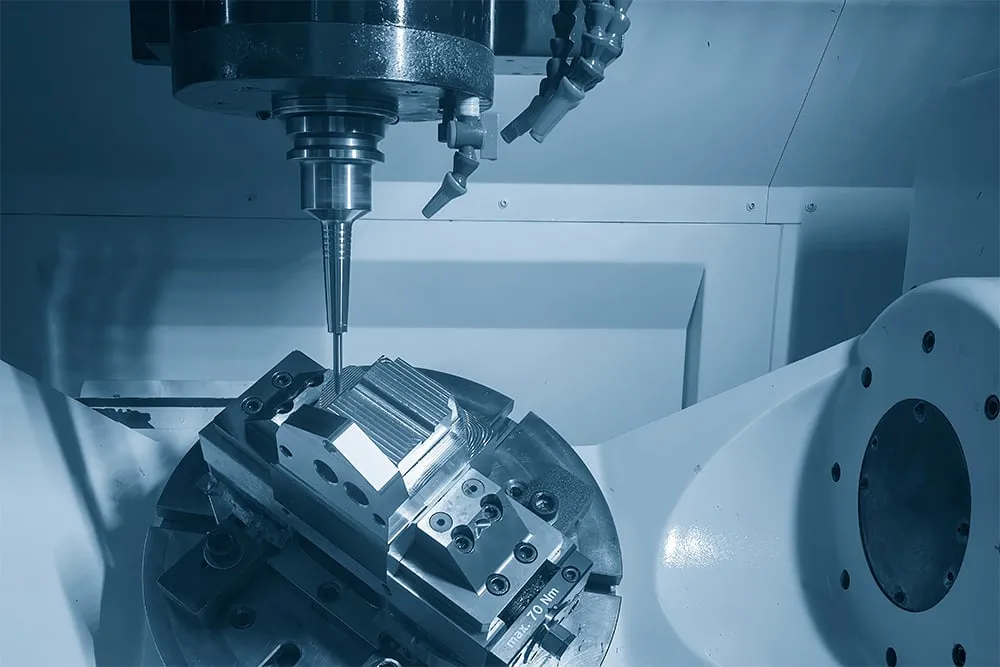
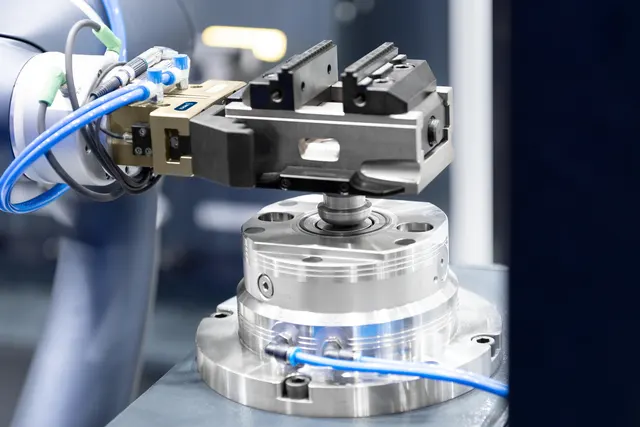
It is now widely known that zero-point clamping systems reduce setup times and therefore shorten lead times. All good zero-point clamping systems now share high accuracy and high clamping forces. But this does not make life any easier for prospective buyers, who have to choose from a large number of possible systems. What are the key factors that make a good zero-point clamping system a very good one?
When considering the investment cost of a zero-point clamping system, it is worth looking beneath the surface. If the system is subject to wear, the cost of spare parts and the associated repairs must be taken into account. How complicated and time-consuming is it to remove and install individual components? If maintaining the zero-point clamping system is very complex, it is not only costly in terms of time and money, but also a source of frustration for the user. Even if these factors are not always immediately apparent, they are certainly worth considering when making a purchase decision.
Expandability
When buying a zero-point clamping system, it is almost impossible to think of everything from the outset. After all, the system can be used for a wide range of applications and clamping situations. The ability to expand the system, along with modularity and flexibility in the workflow, therefore offers advantages. This means users do not have to worry about future orders or different component sizes at the time of investment. Being able to add more plates to the initial setup on the machine table takes this concern off the user’s hands.
Compatibility and adaptability
When making new investments, companies think first about the machines. Tooling and clamping systems are generally the last thing on their minds and only come into the picture once the machine is already in place. As a result, the zero-point clamping system has to fit the machine tool you have, not the other way round. The more universal it is, the better, but no manufacturer can offer a zero-point clamping system that works with every CNC machine. Adaptability is therefore all the more important. To what extent can the zero-point clamping system be adapted to the specific features of the machine?
Pneumatic or mechanical?
Closely related to this question is how the zero-point clamping system operates and, consequently, what requirements it places on the inside of the machine tool. Is a pneumatic version preferred, or a purely mechanical clamping system? Without going into detail about the respective advantages, it is fair to say that both alternatives have their place.
Ease of use
Whether it is Monday or Friday, and whether employee A or employee B is setting up the machine, the result should always be the same: consistently high process and production quality. At the same time, the changeover process should be as simple as possible. The easier a machine is to use, the better. The same applies to zero-point clamping systems. From how easy the system is to understand to the ergonomics of the work (does the worker have to lean far into the machine to reach the screws?), workers should feel that their work is adding value, rather than having to struggle with processes, whether mental or physical. A good system provides precisely that added value.
Conclusion
The points described make it clear that a good zero-point clamping system is defined not only by its accuracy and holding force, and certainly not by its price alone. It is often the factors that are not immediately visible that make the difference. A high degree of flexibility and adaptability in particular represents significant added value for the user. Good zero-point clamping systems also stand out for their versatility and ease of use. The better a system meets all these requirements, the more suitable it is for everyday use and practical applications.
Question about this story? Ask your question
Keep following this
Get an email when a new story is published. No account needed.
- ThemePrecision and productive machining
- SubjectNews