Modern punching technology for simple, versatile sheet metal processing
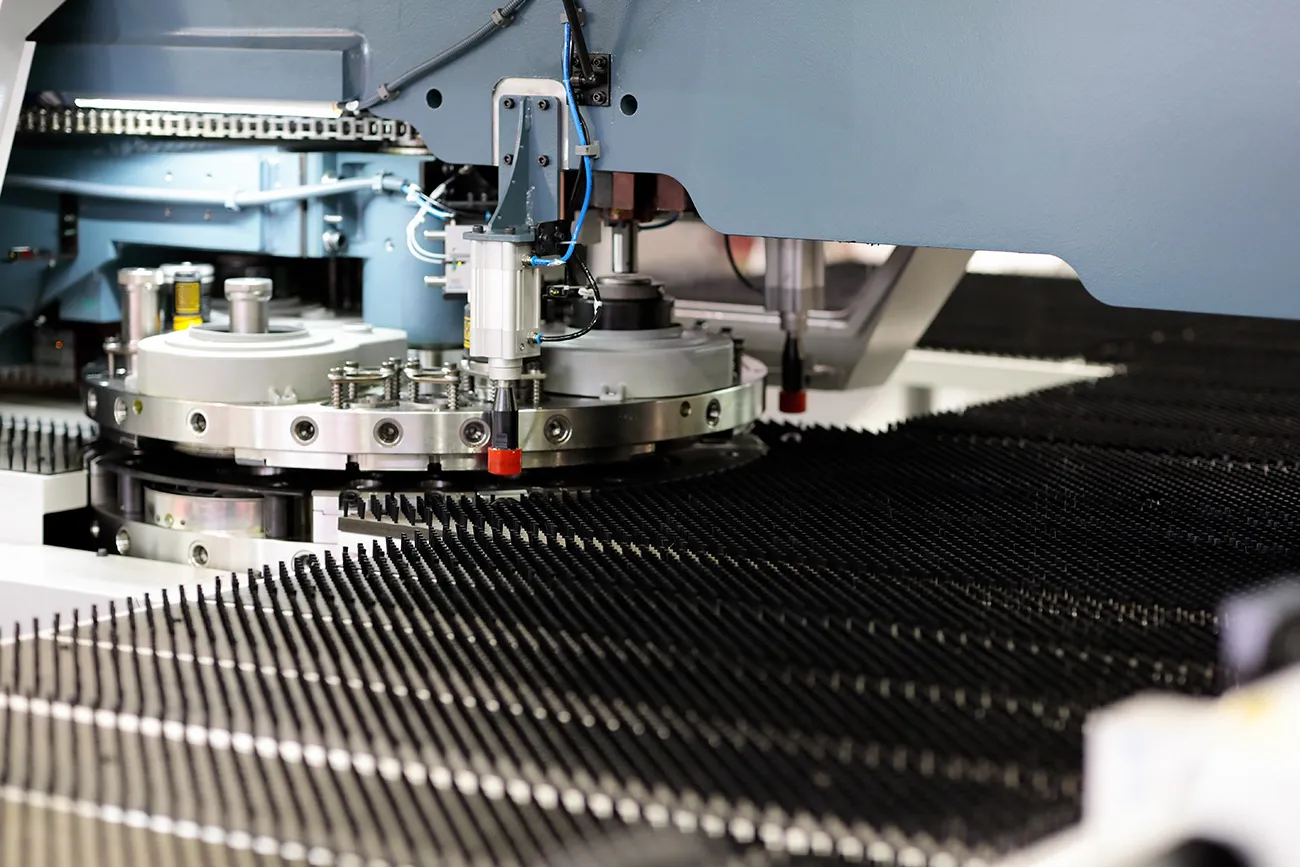
A look around the workshops of metalworking companies might suggest that punching is less relevant than it was ten years ago. Laser cutting machines are getting faster, more flexible and more reliable every year. But the advantages that made the punch a tool of choice for manufacturers are still very much there. If you have the right tools and can work without conversions, punching is the fastest and most cost-effective way to cut parts. What’s more, thanks to technological advances, punching is even more versatile. Now is the time to rediscover it.
Not so long ago, punch presses were the best choice for processing sheet metal that required straight cuts or a large number of holes. However, the latest laser cutting machines can outperform them in these areas thanks to their speed and the fact that they require no tool changes or maintenance. As important as production speed is today, the advantages of punch presses receive too little attention. And what is their most obvious advantage? The ability to cut metal to the right geometry and shape it to meet the customer’s requirements. This goes beyond countersinking, recessing and louvres, which we are already familiar with.
Embossing
A modern punch can emboss a product name or logo, creating a tangible, three-dimensional feature in the metal. Embossing can also be used to apply tread patterns, for added safety or to give joints a more robust appearance. Traditionally, this is done by buying metal sheets that already have the right pattern. But this means the sheets all have the same pattern, and it is difficult to know exactly how it will look on the cut part. The materials and thicknesses available in these sheets are not always suitable for the application. A punch that applies the patterns may take time, but it offers greater flexibility in terms of materials and opportunities for a perfect finish.
Dot peen marking
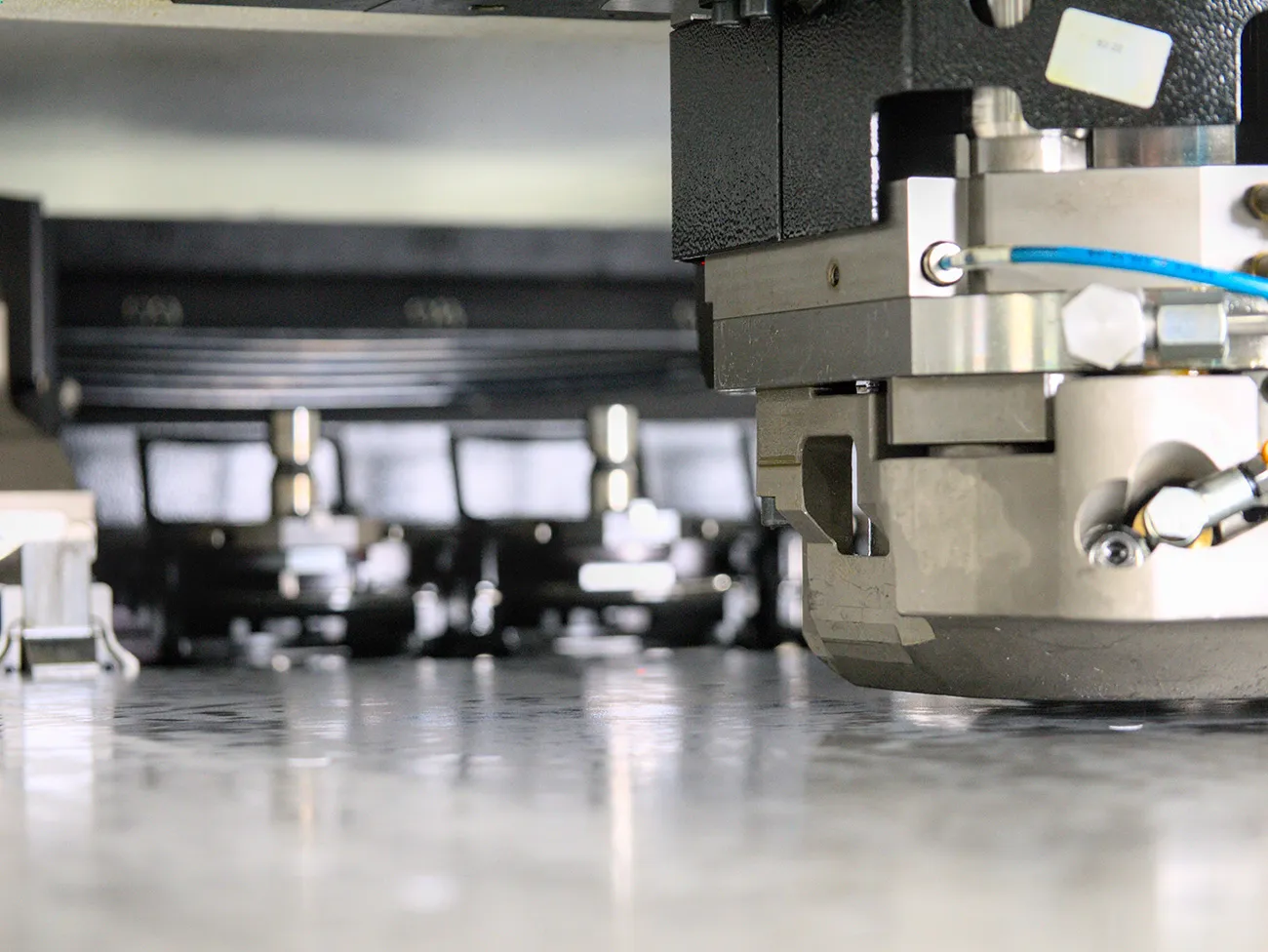
Forming processes can also help support and improve the traceability of a metal part throughout the value chain. Embossing tools can be used to apply raised alphanumeric codes that remain easy to read, even after several years of use. This is a visually attractive solution. Dot peen marking is another option for modern punch presses. Letters, numbers, logos and even data matrix codes can be marked into the metal. This is ideal for part numbers, alignment aids, service instructions and more. The advantage of a punch press is that changes can be made at every revision.
Stand out through versatility
These are just a few examples of how mechanical features can make finished parts more functional and more attractive to the end customer. In some cases, this can make the difference between a product that blends into the competitive landscape and one that stands out from the crowd. A laser cutting machine offers unrivalled productivity and great flexibility when it comes to cutting a particular geometry. But there are many aspects of processing that require a secondary process. This is where a punch can live up to its reputation as a versatile, cost-effective tool. And who knows, a combination machine that brings together both technologies could prove to be the ultimate solution for metal processing. A machine that can provide everything needed to turn sheet metal into a perfectly finished product in a single pass.
Question about this story? Ask your question
Keep following this
Get an email when a new story is published. No account needed.
- ThemePrecision and productive machining
- SubjectNews