A data-rich future for plasma cutting
Texte : Valérie Couplez Photos : iStock
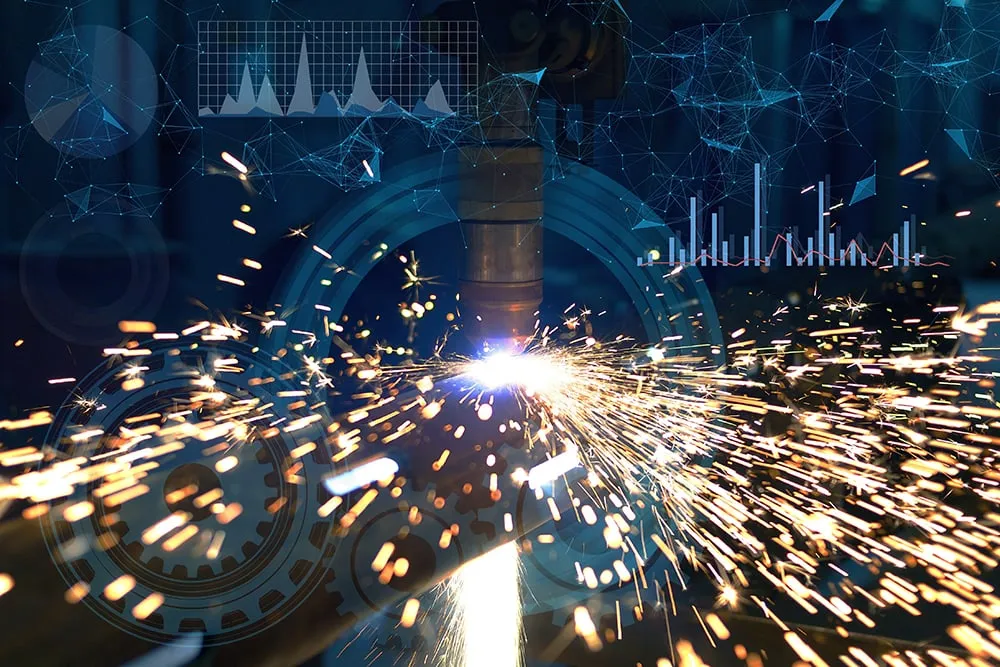
Metalworking companies are facing challenges. In the wake of the coronavirus crisis, raw material prices have become more volatile, technically skilled staff even harder to find and energy prices much higher. Customers are also becoming increasingly demanding. Manufacturing companies are increasingly turning to automation technology, but this also calls for greater precision right at the start of the process, when parts are cut. Ideally, parts should come off the machine in the best possible condition, requiring little or no post-processing. This means that the plasma cutting process must be controlled to perfection more than ever. This can be achieved through smarter management of consumables (nozzle, electrodes, shield, diffusers, jaws, swirl ring…) and by adding data.

Today, most downtime on plasma cutting machines is caused by the wrong choice of consumables. This happens when an operator installs them incorrectly, fails to match the parts properly or uses them for longer than they can withstand. This means there is still considerable scope to improve efficiency and quality in plasma cutting in the years ahead, not by increasing brute force, but by using data intelligently. The plasma cutting power source may be the brain, but the consumables are the heart of plasma cutting operations. They are crucial, yet often used incorrectly. For example, the wrong product may be chosen for the job. A plasma cutting torch contains an average of three to seven components. If these parts are mismatched or installed incorrectly, things can quickly go wrong.
Good consumables management is essential
There are various causes of these problems. They are often closely linked to proper organisation and management. Keeping everything unlabelled in a drawer is a recipe for trouble. A well-organised stock, clearly distinguishing parts by their degree of wear (new, used or nearing the end of their service life), size and key properties, can work wonders. Changing parts takes some effort on the operator’s part, and operators want to lose as little time as possible. Good stock management of all plasma cutting consumables is therefore an important prerequisite for avoiding mistakes. Incorrect use affects cut quality and therefore requires more post-machining, something manufacturing companies cannot afford today.
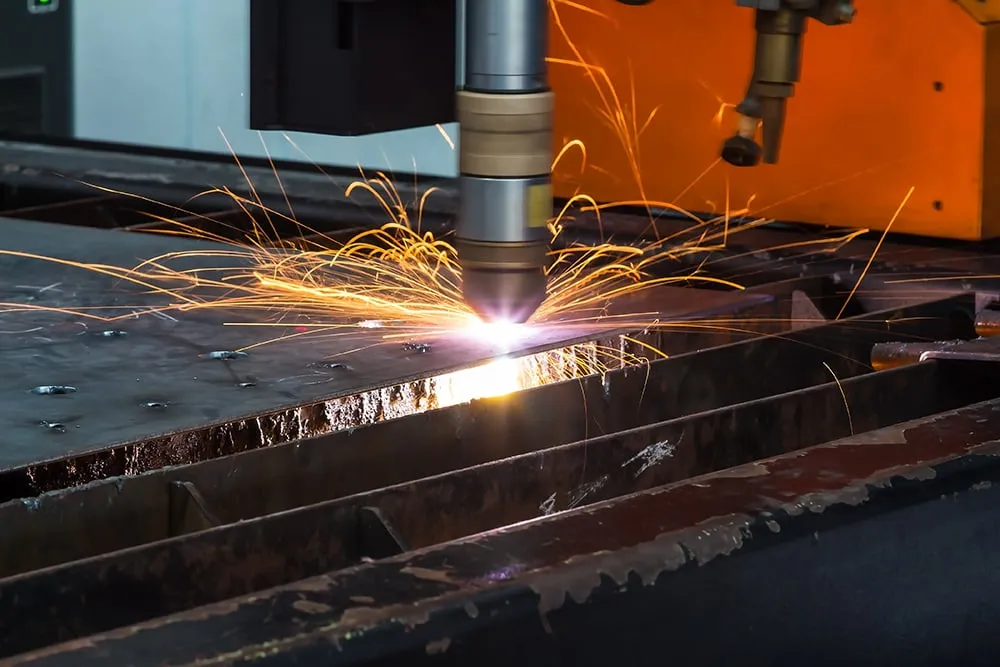
A complex process
Effective stock management pays off twice over today, as technical expertise is becoming increasingly scarce on the shop floor. The wider the range of sheet materials to be cut, the more varied the consumables set-ups will be. Customers’ cutting requirements can also vary. Cut quality therefore depends increasingly on the operator, who needs to know which consumables will work well for the job at hand and which will not. Do not make the task any harder than it already is. The operator must also take account of the correct amperage and choice of gas to achieve the best possible cut quality.
Organise, standardise, document
A good first step, then, is to organise the consumables, standardise the process and document the selection criteria.
It is also worth training operators so that they become more knowledgeable in this area and understand what they are doing. The nozzle and electrode, for example, need frequent replacement because they wear out faster than the other components. The second step is to eliminate choices. One way is to use a kit that already contains all the parts needed for a conventional plasma cutting torch. The parts are already matched by the manufacturer and designed to wear at the same rate. Operators then only need to choose the kit for the specific amperage, eliminating the risk of mistakes. With no more mixing of old, worn consumables with new ones, cut quality improves.
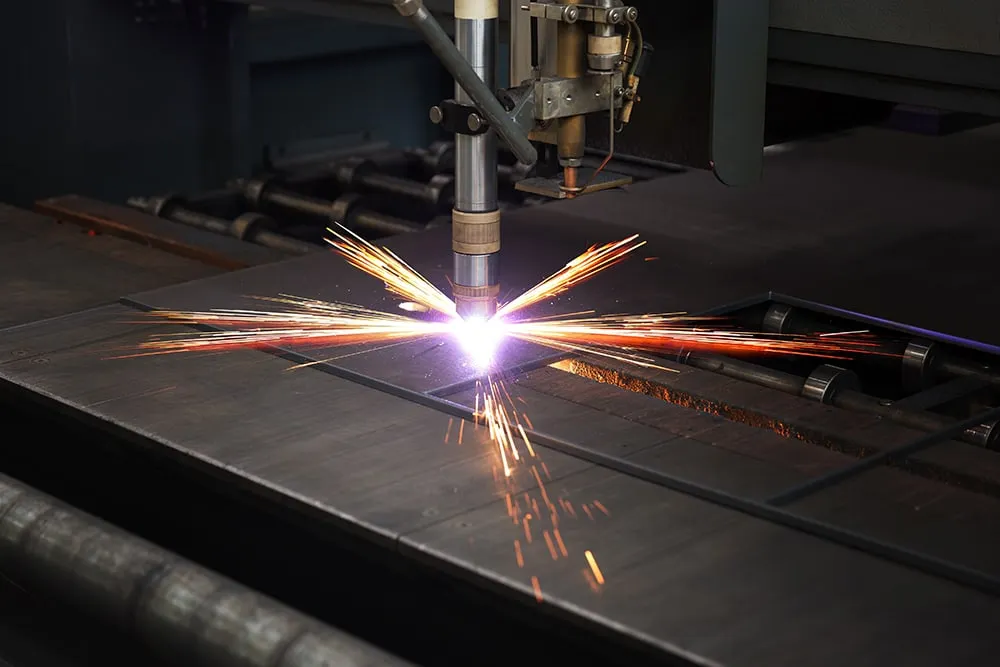
The need for a method
Most important of all, however, is to develop a method for inspecting, managing and replacing consumables. If everyone on the shop floor has the same basic knowledge, downtime will naturally be reduced. The next step requires real-time information during plasma cutting. Experienced operators can interpret the plasma arc and use its appearance and sound to draw conclusions about possible component wear. But they cannot be certain until they stop the system and inspect the consumables. And if they do not react quickly enough, the problem will already have occurred.
Data to prevent errors
However, they no longer have to work completely “blind”. New developments in plasma cutting technology are changing the game by integrating sensors into the plasma cutting torch. These sensors are already being used to set up the cutting system for different applications. Colour coding, for example, helps operators consistently make the right selection. A chip can also be added to the kit to communicate directly with the control system. All data relating to cutting jobs are then stored at the same time. When operators or technicians consult the data, they can see when, where and how the consumables were used, how many cuts were made and how many arc hours were recorded … If the kit and the plasma cutters can communicate, they are always on the same page. If any settings are wrong, the operator receives an alert.
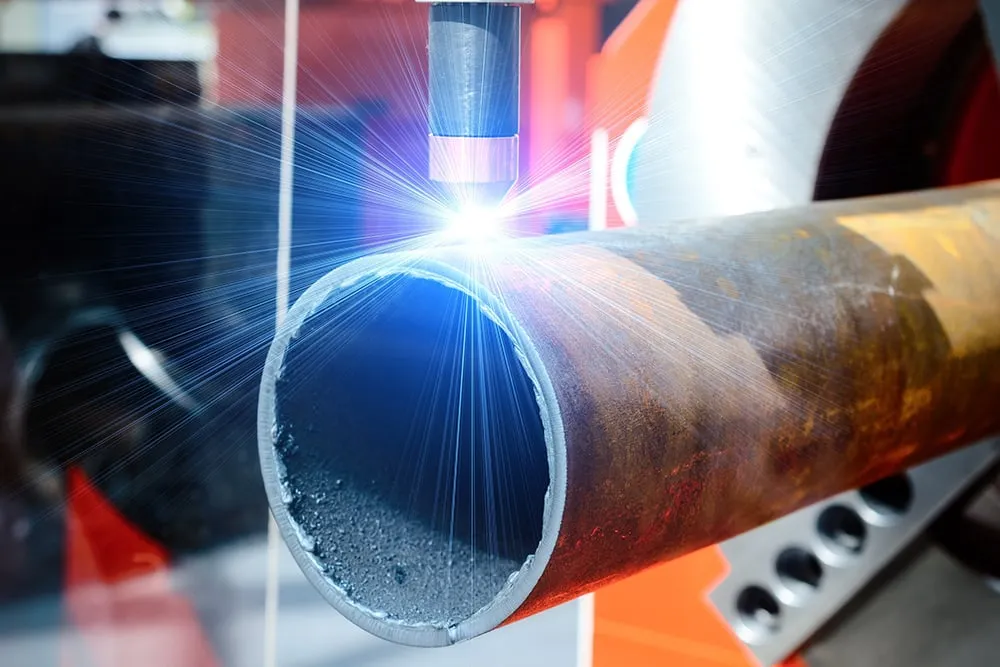
Understanding the cutting process
Data can also be put to use over the longer term. If, in a particular cutting application, some consumables last three hours and others six, historical data can provide insight. Comparing these with other operational data may show, for example, that the difference is due to a lower light output setting. Data can also reveal gaps in individual operators’ skills, making it possible to plan targeted training. This will help deliver more consistent cut quality across the entire production process. Data therefore help support better decisions in plasma cutting. In the future, they may even make it possible to nest parts more efficiently and adjust planning to reduce production changeovers. The potential to improve plasma cutting is undoubtedly significant.
Question about this story? Ask your question
Keep following this
Get an email when a new story is published. No account needed.
- ThemeSheet metal and tube cutting
- SubjectPlasma cutting