The benefits of connected plasma cutting
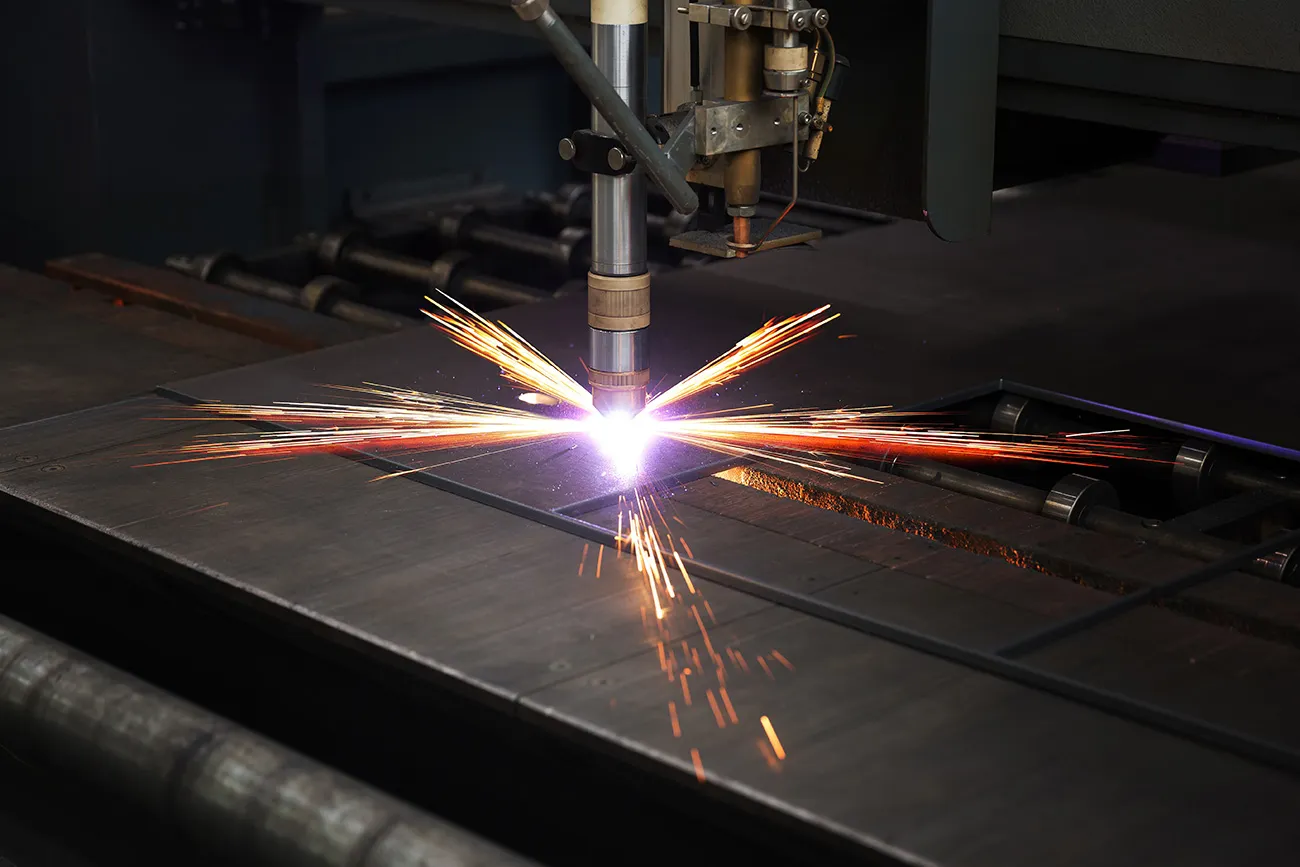
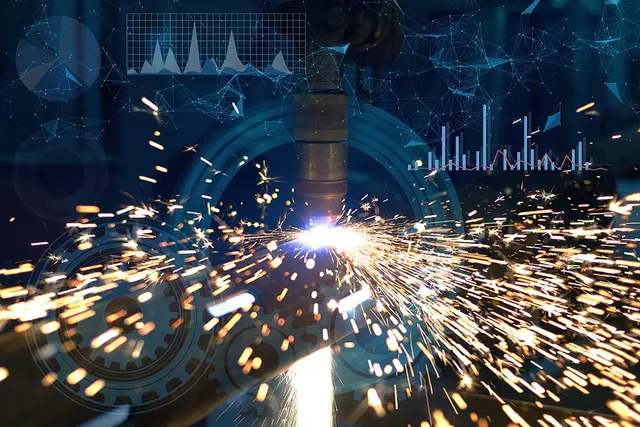
In recent years, manufacturers of plasma cutting technology have worked hard to improve cutting quality. And with success. They have made spectacular progress in narrowing the gap with other cutting technologies. In the months and years ahead, the aim will be to help users get even more out of their investment in plasma cutting technology. New control systems are bringing plasma cutting into the Industry 4.0 era.
What metalworking companies need today is insight. Understanding exactly how their processes work brings many benefits, from accurate post-calculation to taking measurements for preventive maintenance and, consequently, reducing downtime.
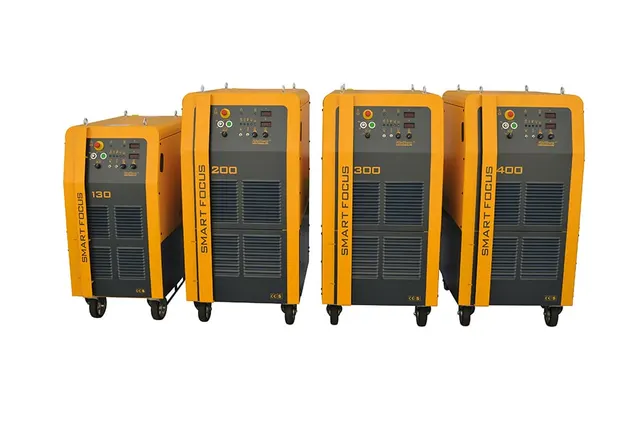
Clear steps have already been taken in this direction in plasma cutting, too. The latest control systems for plasma power sources are connected control systems. In other words, they can be seamlessly connected to other machines and even higher-level software systems via Wi-Fi or OPC UA. The reason is clear: the better connected the machines are, the less time parts have to wait in the workshop for the next operation, and the easier it is to plan the various jobs. Progress on every order can also be viewed directly from the office.
Understanding plasma cutting
But there is more. Modern control systems also provide detailed insight into the plasma cutting process itself. They include tools for monitoring the machine. Is it cutting or standing idle? How many operating hours and arc-on hours have elapsed? How many consumables have been used? How much energy has it all consumed? This data opens up a wealth of possibilities.
Machine manufacturers can use it to manage maintenance and identify which parts need replacing. Users benefit, too, and not just from accurate post-calculation of their production hours and costs.
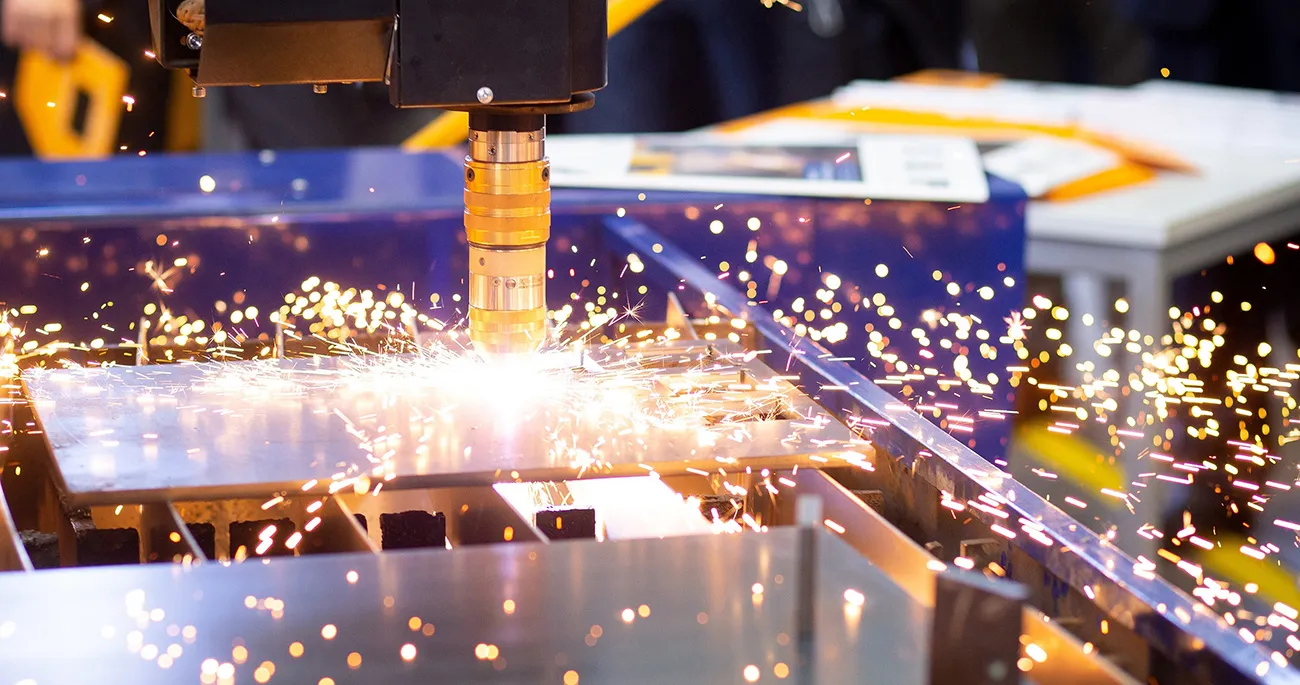
On the one hand, users can use the data collected to optimise their cutting processes, in real time or otherwise, as well as all the processes that follow. Take the fume extraction system, for example: it can then be automatically adjusted to the parts on the plasma cutting line, according to the power being used, saving energy and raw materials.
On the other hand, users can improve their consumables purchasing policy, ensuring they never run short and perhaps negotiating better prices.
Operators get all the data they need
Let’s not forget the operator. The latest plasma cutting power sources have them in mind, too. To make the system easier to use, everything can be programmed in advance. All the parameters are then already set according to the material, thickness and desired cut quality. The operator simply loads the right programme to cut the parts perfectly in a single pass. This is a major advantage in a world of ever-smaller batch sizes.
In addition, if a problem occurs, more information is available on exactly what is happening and why the machine has stopped. All the modern features built into plasma cutting machines today make it easier for operators to run several machines at once. The integrated Industry 4.0 technology helps them monitor, control and track processes, and will also significantly reduce the number of unplanned stoppages.
Question about this story? Ask your question
Keep following this
Get an email when a new story is published. No account needed.
- ThemeSheet metal and tube cutting
- SubjectPlasma cutting