What’s new in robotic welding?
Texte: Valérie Couplez Photos: iStock
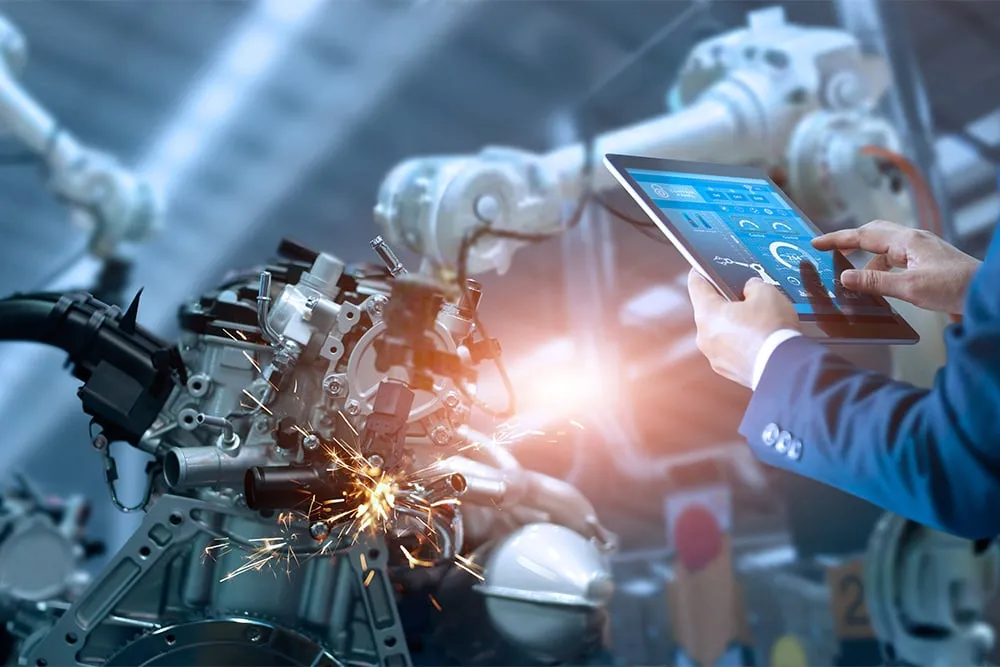
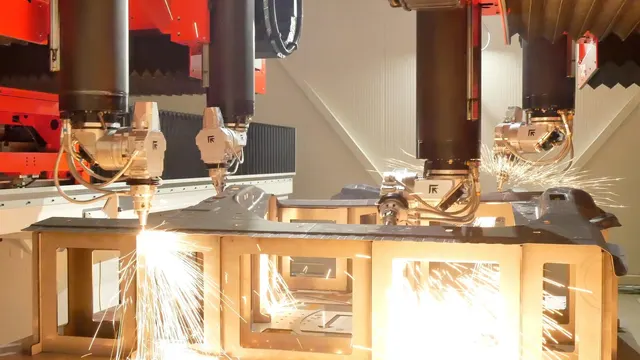
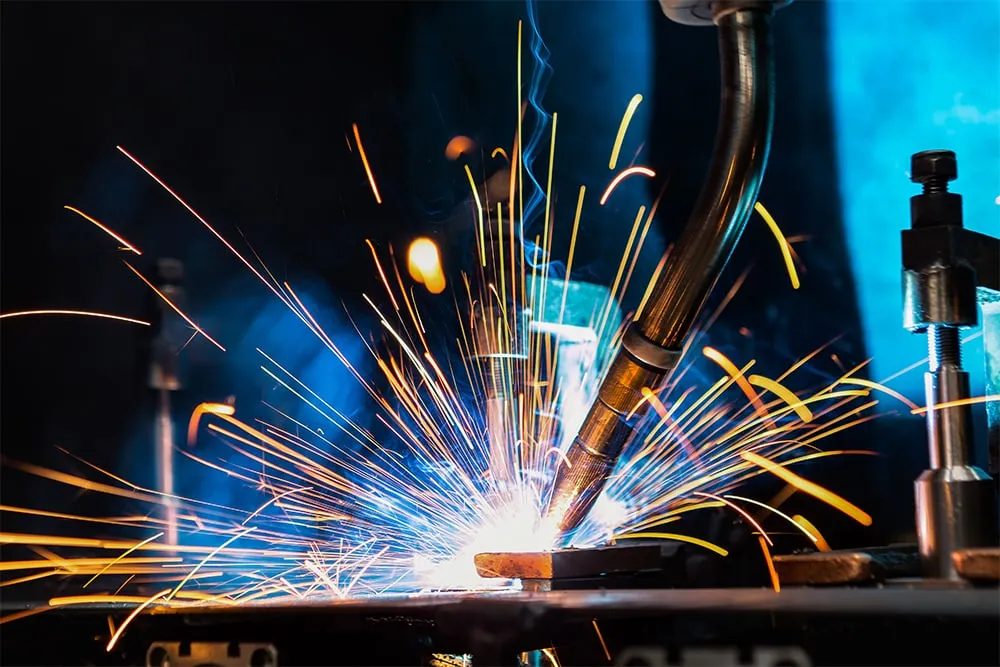
From the first model in the 1960s to today’s advanced systems … the welding robot has come a long way. Its popularity has grown thanks to the capabilities it offers, on the one hand, and a challenging labour market, on the other. Manufacturers looking to expand without compromising on quality are turning to technology, as finding skilled welders is becoming difficult. The deployment of welding robots helps ensure quality, save materials and improve safety. What can we expect in the coming years?
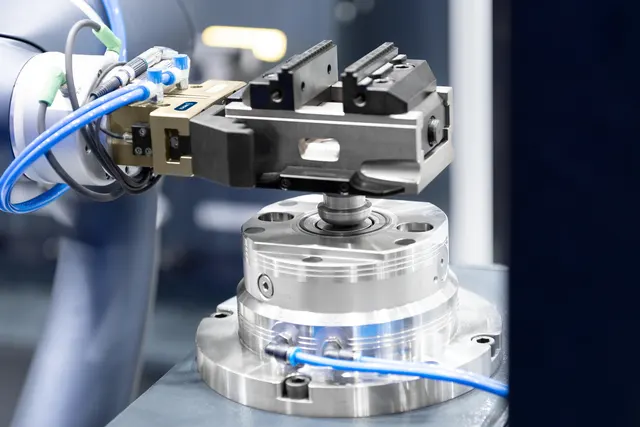
Efficiency is paramount on the production floor. Welding robots are less often used on their own. Adding a robot to handle materials means operators do not have to enter the cell, while the robot can work continuously. Cycle times are shortened, costs are reduced and safety is improved, as operators no longer inhale harmful welding fumes.
More sensors
Welding cells are becoming more sophisticated. Integrating sensing technology allows the welding robot to adapt, and adjust its parameters, to suit the workpiece. The aim is to improve weld quality and speed up the welding operation, even when processing a variety of workpieces. Forget the misconception that welding robots only handle large parts. If a part is out of tolerance, the operator is alerted. Sensing technology can also be used to monitor welds, for example to verify quality or optimise the process.
Real-time data analysis
Welding robots have entered the Industry 4.0 era. The processing and analysis of operational data is improving rapidly. As every weld must be inspected to pass quality control, these tools can validate joint strength, weld penetration and the leak-tightness of each joint. Arc monitoring systems detect defects and correct the welding operation. Other options include peripheral detection and monitoring of weld bead penetration, checking penetration against specifications, measuring joint width and profile, and managing contours by capturing images of complex welds.
Upstream and downstream processes
Welding robots are often installed on production lines where an inspection stage takes place both before and after welding. Tomorrow’s robot will no longer operate as a standalone unit. Integrating it with other data flows and software will increase throughput across the entire production line. Parts feeding is a good example. By integrating this stage into the welding cell, the robot is never idle, as parts feeding and quality control are handled upstream and downstream. Another important benefit is a lower risk of defective welds, saving time and materials.
Cobots make work easier
In the past, manufacturers had to hire programmers to configure robots and manage any changes to production parameters or new software code. As well as requiring qualified programmers, every parameter change increased downtime and reduced productivity. Introducing cobots to the workshop eliminates some of these complex tasks. There is no longer any need for programmers, as welders can set the parameters and retain control over the weld using teach programming. Cobots can also work alongside operators.
Question about this story? Ask your question
Keep following this
Get an email when a new story is published. No account needed.
- ThemeMetal forming and joining
- SubjectNews