Welding robots complete trailer manufacturer’s optimisation process
Texte et photos : Valk Welding
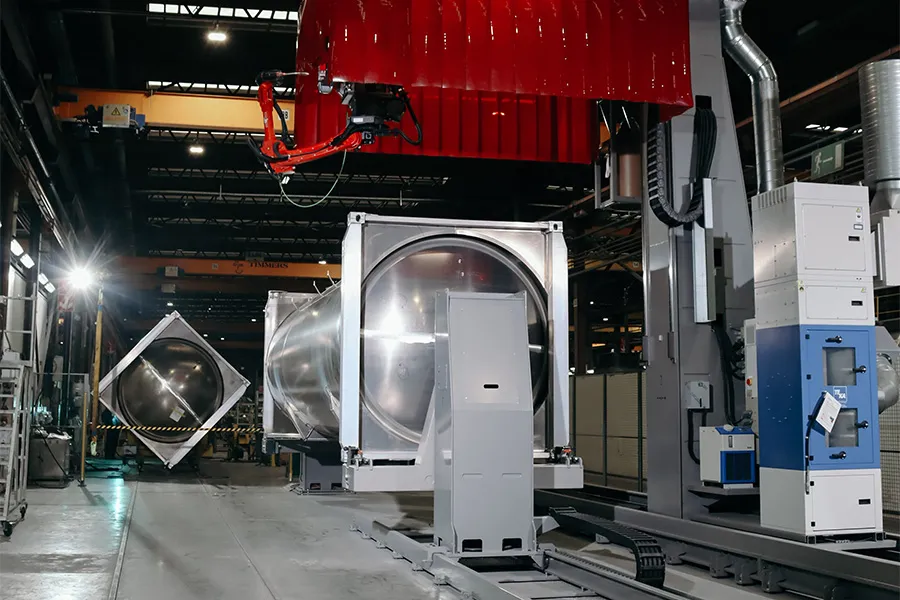
An optimisation process has significantly reduced production time at LAG Trailers. The final step was taken recently with the installation of two Valk Welding robots. This will enable Europe’s largest manufacturer of aluminium tanker trailers to continue growing.
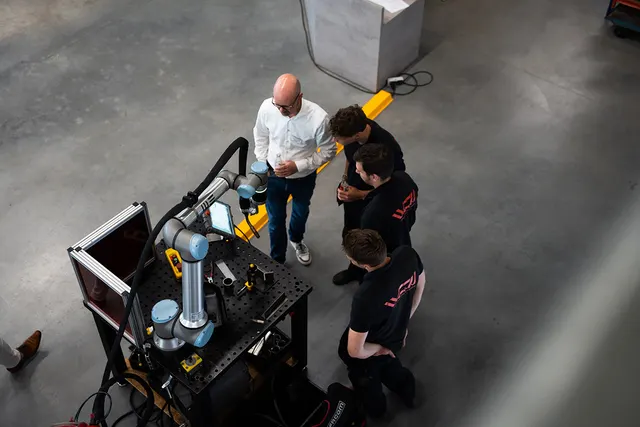
“Someone who worked here 10 years ago would no longer recognise the factory,” says Rob Ramaekers, CEO of LAG Trailers. He is standing on the production line in front of a recently commissioned VALK Welding robot. Each year, around 2,000 tanker trailers leave the factory in Bree (Belgium), which employs 420 people. LAG Trailers is Europe’s largest producer of aluminium tanker trailers.
Ten years ago, LAG, part of the major Chinese transport vehicle manufacturer CIMC, embarked on an impressive optimisation process. The company outsourced the production of hundreds of components to other businesses in the region. It also divested an auxiliary product range so it could focus entirely on tankers, which it has specialised in since 1947.
Standardisation
During the reorganisation, branched production lines were introduced and the company switched to a modular design for its tankers. All these changes significantly increased efficiency and reduced production time. For example, LAG Trailers now builds a bulk tipping trailer in 250 hours, compared with 800 hours previously.
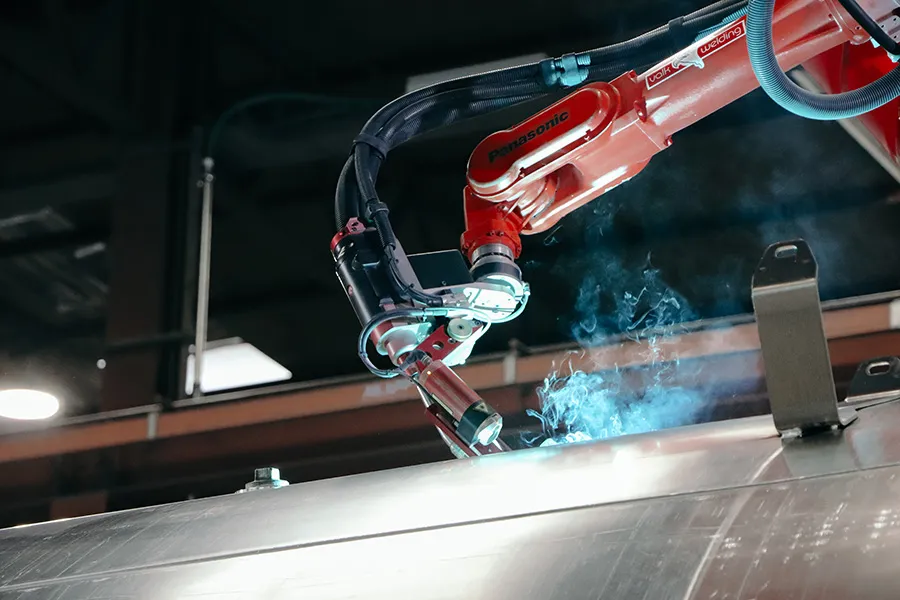
“Standardisation is the basis for success,” explains Leon Bokken, the company’s manufacturing manager. “It also made the arrival of welding robots possible.” The first robot was installed in 2020, followed by a second in 2022. LAG has five production lines, where it builds fuel trailers, tanker trailers, bulk trailers, bulk containers and container chassis. One robot is used on the production line for aluminium tanks for bulk trailers, while the other is used on the bulk container production line.
Customised welding robot
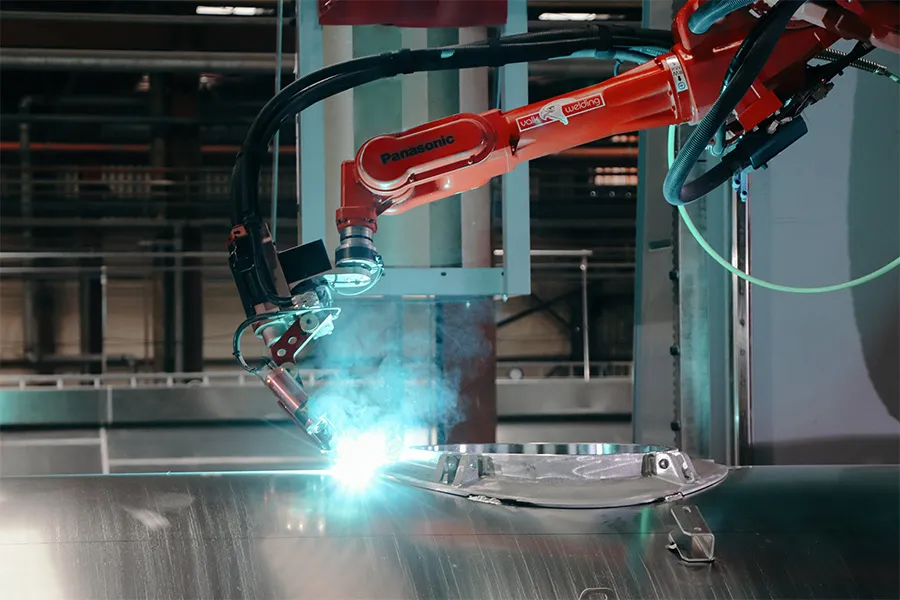
“Welding aluminium tanks presents several challenges,” says Peter Pittomvils, sales director at Valk Welding, which supplied both welding robots. Valk Welding developed customised welding equipment, which was manufactured in-house. “This also enabled us to make customised welding torches for hard-to-reach areas.”
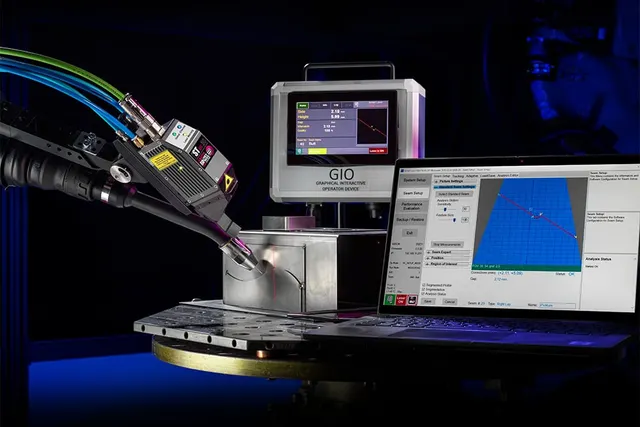
The robot is equipped with an Arc-Eye laser camera that handles reflections from aluminium effectively. The camera not only detects positional deviations, but, if necessary, its optional adaptive function can also detect variations in weld seam geometry, such as variable gaps, and adjust the welding parameters in real time. In any case, LAG’s excellent preparation means this function is not required.
More benefits
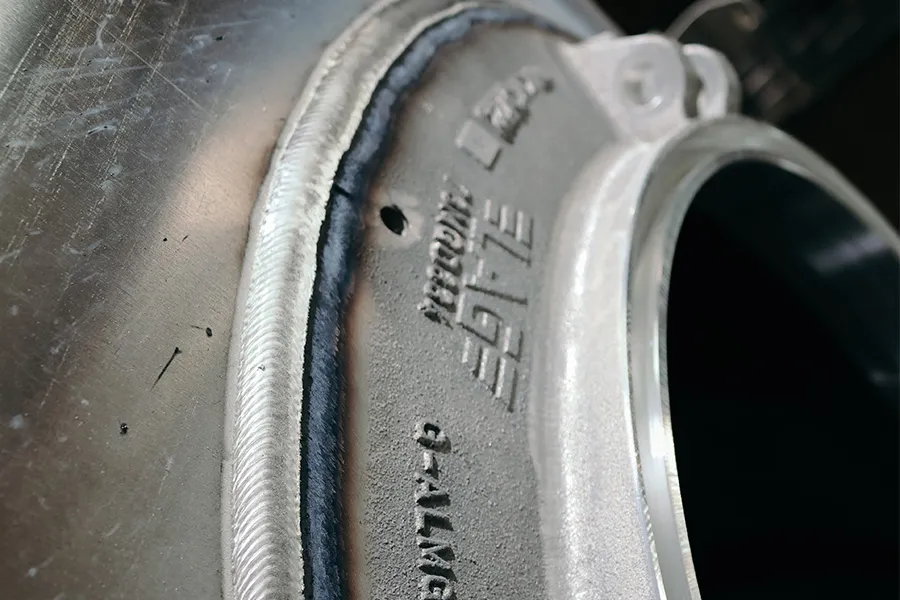
Thanks to the welding robots, LAG Trailers saves the equivalent of two welders across its two production lines. “However, reducing personnel costs was not the main aim of robotisation,” emphasises Rob Ramaekers. “Good welders are very hard to find, and if you have them, it is best to use them for jobs where they cannot be replaced.” He also cites the consistent quality of the welds as an important added benefit of the robots.
Pittomvils often hears the same arguments from his customers. With the labour market for technicians tightening, Valk Welding, which has nine branches in Europe, is seeing strong demand for flexible welding robots. The company operates in many sectors, and its extensive experience in trailer and tanker construction quickly paved the way for its partnership with LAG. Valk Welding is known in Europe for its highly flexible welding robots and also offers solutions in which the robots are programmed fully automatically.
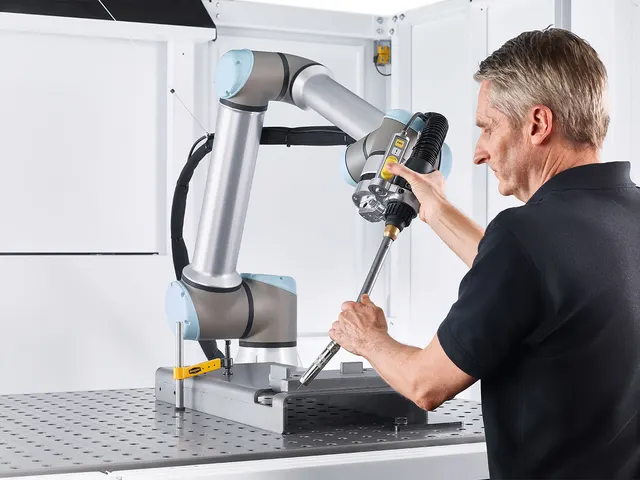
The welding robots were embraced by staff in no time. Welding programmes are created entirely offline using Valk Welding’s unique calibration technology. “Programming works like building with Lego,” concludes Ramaekers. “You drag the necessary modules together and the welding programme is generated.” ■
Question about this story? Ask your question
Keep following this
Get an email when a new story is published. No account needed.
- ThemeMetal forming and joining
- SubjectWelding